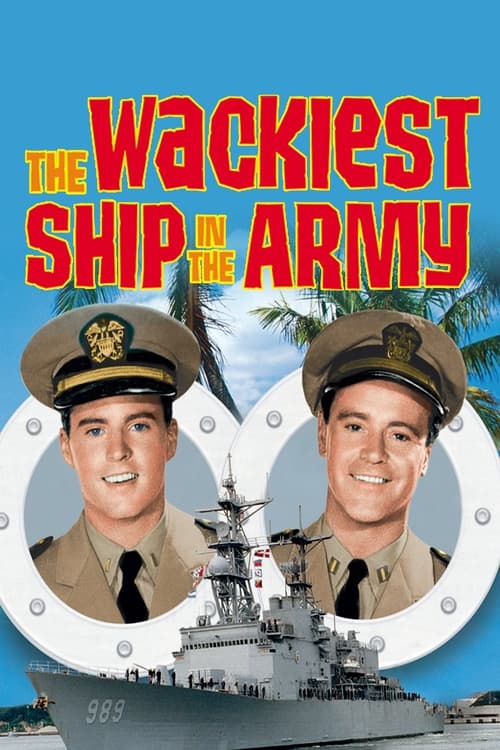
The Wackiest Ship in the Army
1960
No user ratings available yet
Representation score: 1.7 out of 10

Representation Score
Limited
1966
NRDirector
Norman Jewison
Runtime
126 minutes
Average Rating
No ratings yetNew Showbiz Analysis
This comedy functions as a transitional work that balances 1966 demographic norms with a progressive satirical intent. While the casting remains largely traditional and homogeneous, the film uses its premise to deconstruct communal anxieties and the mechanics of xenophobia. The strength of the film lies in its ability to use the 'othered' Soviet crew to expose the fragility of the islanders' social cohesion. By framing the foreigners through vulnerability rather than malice, it critiques the absurdity of nationalist paranoia. However, the film is limited by the era's gender and racial hierarchies. The lack of diverse identities and the concentration of narrative ability to act among men reflect the period's standard cinematic structures.
Category Breakdown
The film does not include any LGBTQ+ characters or non-straight relationships. It focuses solely on traditional heterosexual relationships.
Men play a central role in defending the island and managing crises, while women have secondary roles within the social structure rather than driving the plot.
The film is set in a predominantly white New England community. It uses the Soviet crew to critique xenophobia without resorting to aggressive 'us vs. them' stereotypes.
The movie satirizes nationalism and isolationism. It ridicules local paranoia and the irrationality of reactionary defense to highlight the absurdity of perceived external threats.
There is no significant evidence regarding the portrayal of physical or neurodivergent disabilities within the narrative.
Present on Screen
Limited or Absent
Official Synopsis
When a Soviet submarine gets stuck on a sandbar off the coast of a New England island, its commander orders his second-in-command, Lieutenant Rozanov, to get them moving again before there is an international incident. Rozanov seeks assistance from the island locals, including the police chief and a vacationing television writer, while trying to allay their fears of a Communist invasion by claiming he and his crew are Norwegian sailors.
1960

1959

1966
1966
1960

1973
1957

1942
No reviews yet. Be the first to share your thoughts on this movie!
Use the rating form above to leave a star rating and optional review.