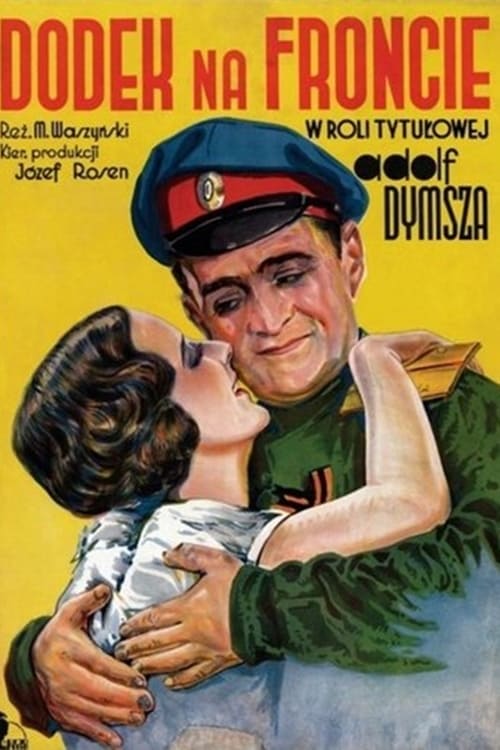
Dodek at the Front
1936
No user ratings available yet
Representation score: 1.8 out of 10
Representation Score
Fair
1964
Director
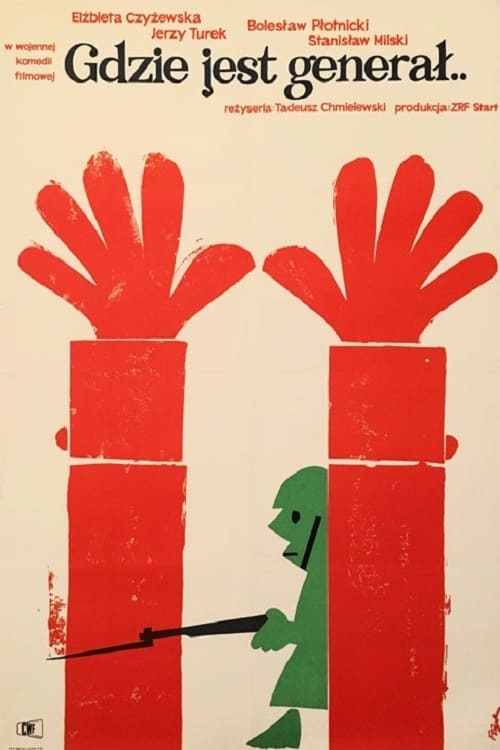
Tadeusz Chmielewski
Runtime
92 minutes
Average Rating
No ratings yetNew Showbiz Analysis
Where is the General? functions as a wartime comedy that prioritizes collective survival over individualistic military clichés. By centering the plot on cooperation between Polish and Soviet characters, the film moves away from singular nationalistic perspectives. The inclusion of Marusia offers a glimpse of women's ability to drive the story in a combat-adjacent setting, though the film remains rooted in the era's conventional social frameworks. Ultimately, the film lacks modern multi-layered depth, particularly regarding queer identities and disability. However, its focus on anti-authoritarian cooperation provides a meaningful departure from standard Western military narratives.
Category Breakdown
The film does not include any explicit LGBTQ+ characters or non-straight relationships, focusing instead on conventional romantic or platonic dynamics between soldiers.
Marusia, a female Red Army soldier, actively participates in tactical survival, providing a significant role that contrasts with passive female roles in military settings.
The story highlights national identity through interactions among Polish, Soviet, and German forces, adding a layer of ethnic complexity that challenges a monolithic perspective.
The film emphasizes anti-fascist solidarity and collective resistance, using a castle as a refuge to challenge traditional class hierarchies and aristocratic power structures.
There are no visible or mentioned depictions of physical or neurodivergent disabilities within the narrative.
Present on Screen
Limited or Absent
Official Synopsis
Wacław Orzeszko is unlucky soldier, who one day decides to desert his platoon and hide out in a castle, where he meets a Red Army soldier Marusia. They discover that a German platoon is also hiding in a castle and together they must stop the Nazi soldiers from reuniting with the main army.
1936
1973
1957
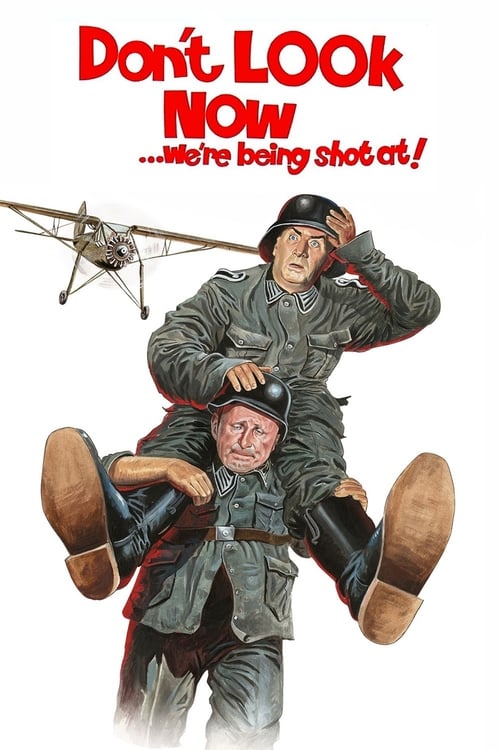
1966
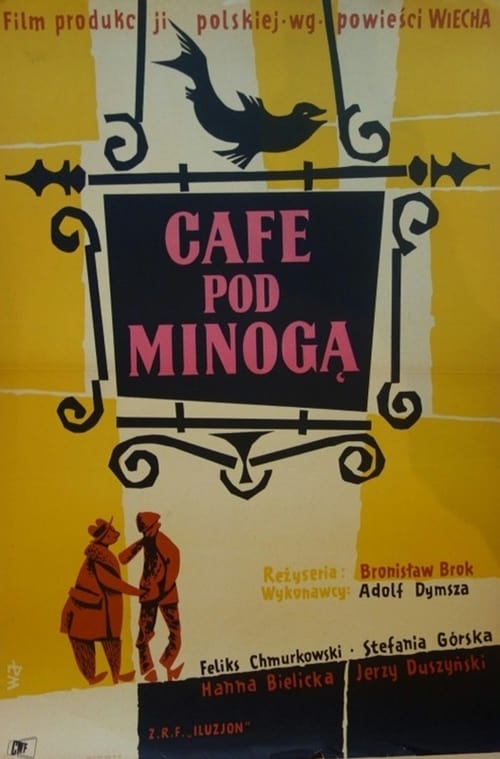
1959

1942
1998
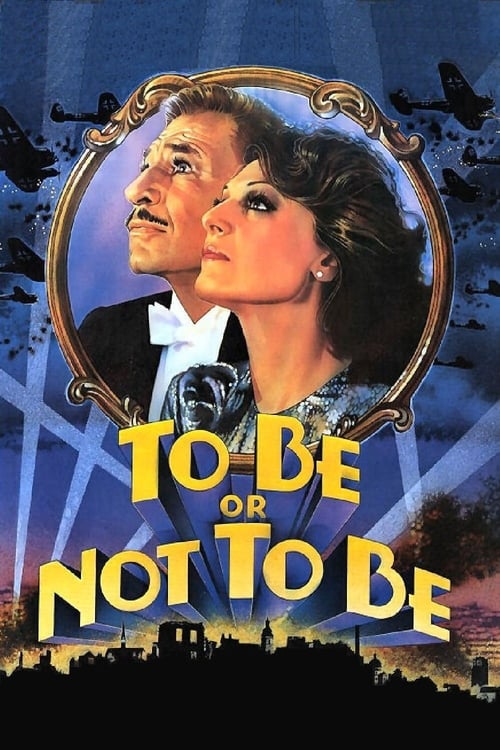
1983
No reviews yet. Be the first to share your thoughts on this movie!
Use the rating form above to leave a star rating and optional review.