
The Secret War of Harry Frigg
1968
No user ratings available yet
Representation score: 2.5 out of 10
Representation Score
Limited
1966
NRDirector
Blake Edwards
Runtime
116 minutes
Average Rating
No ratings yetNew Showbiz Analysis
Blake Edwards employs satire to dismantle social hierarchies and the archetype of the heroic leader. The film prioritizes intellectual subversion and moral ambiguity over broad demographic representation. It challenges traditional Western ideals of glory and duty through a postmodern lens. While the film lacks diverse representation across race, gender, and sexual orientation, it excels in its thematic critique of institutional authority. The narrative's strength lies in its refusal to offer a singular, patriotic truth, opting instead for a fragmented, subjective perspective.
Category Breakdown
The film does not include any LGBTQ+ characters or non-straight identities. The story centers on traditional family relationships without any clear queer undertones.
The story focuses on a male-dominated world with a strong emphasis on patriarchal themes. Although it avoids portraying women as submissive, it lacks opportunities for women to take a leading role.
The cast is primarily white, reflecting the production context of the mid-1960s and the European setting. It does not feature actors from diverse ethnic backgrounds.
The film critiques the glorification of nationalism and military institutions by challenging grand wartime narratives. It offers a nuanced view that questions the romanticized portrayal of war and national pride.
The film does not prominently depict characters with physical or neurodivergent disabilities. Characters with disabilities are not used as central plot devices.
Present on Screen
Limited or Absent
Official Synopsis
A by-the-book Captain is ordered to capture a strategic village in Italy. The Italian soldiers are willing to surrender, if they can have a festival first. The lieutenant convinces the Captain this is the only way. Because of aerial reconnaissance, they must look like they are fighting. To sort this out an intelligence officer is sent in. Meanwhile the festival gets complicated with the Mayors daughter.
1968
1973
1961
1959
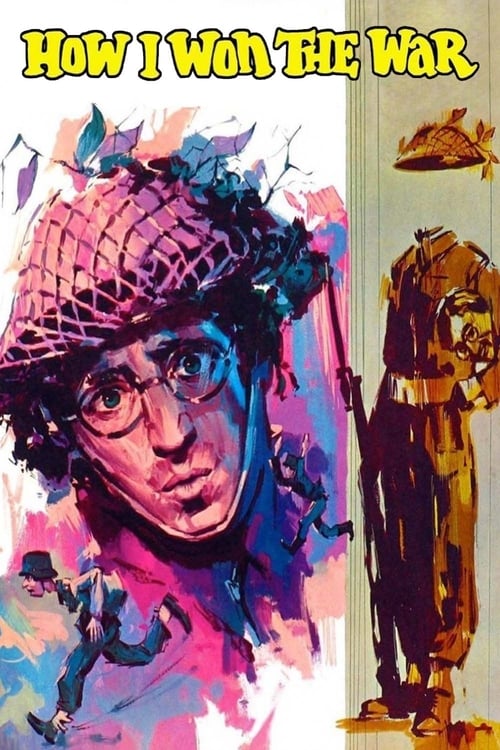
1967
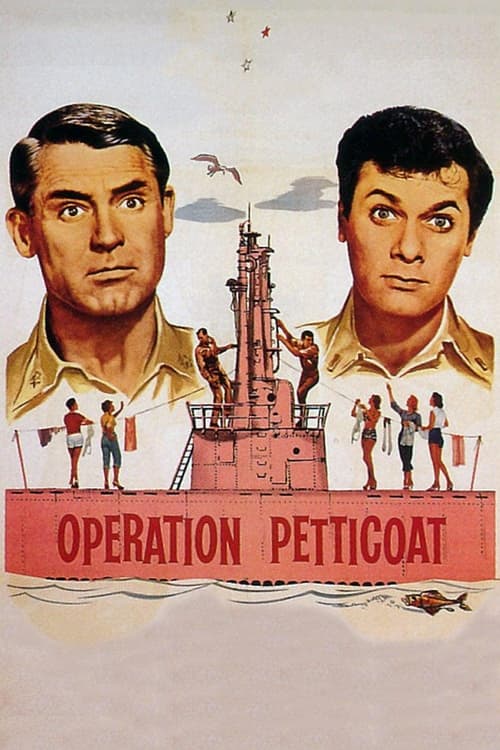
1959
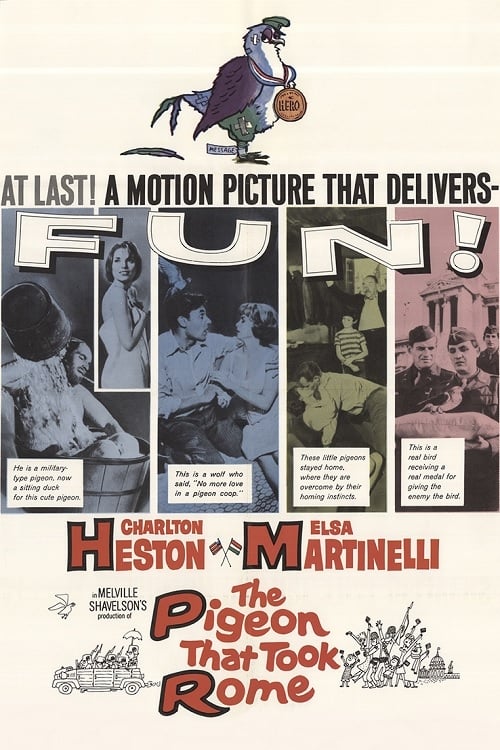
1962
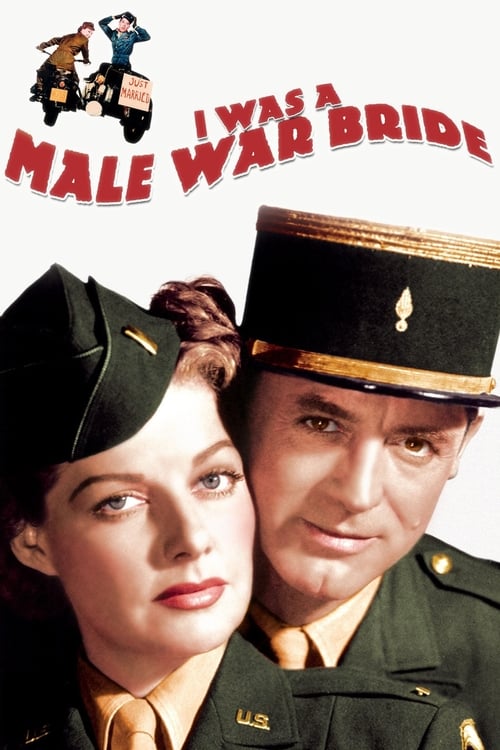
1949
No reviews yet. Be the first to share your thoughts on this movie!
Use the rating form above to leave a star rating and optional review.