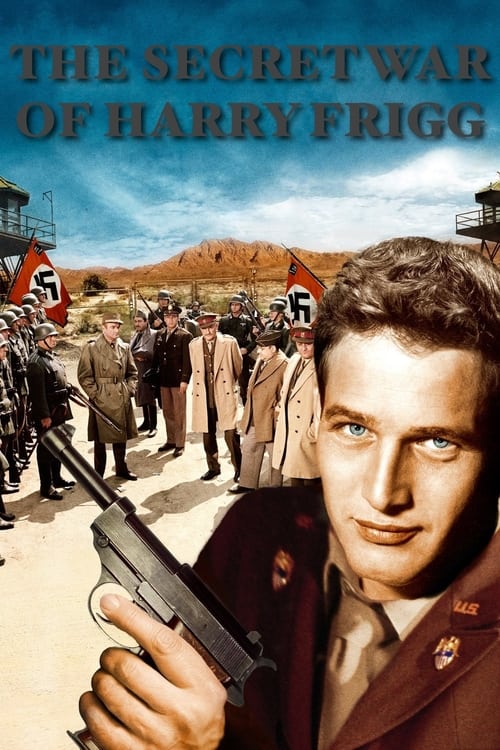
The Secret War of Harry Frigg
1968
No user ratings available yet
Representation score: 2.5 out of 10
Representation Score
Limited
1969
UnratedDirector
Gene Nelson
Runtime
74 minutes
Average Rating
No ratings yetNew Showbiz Analysis
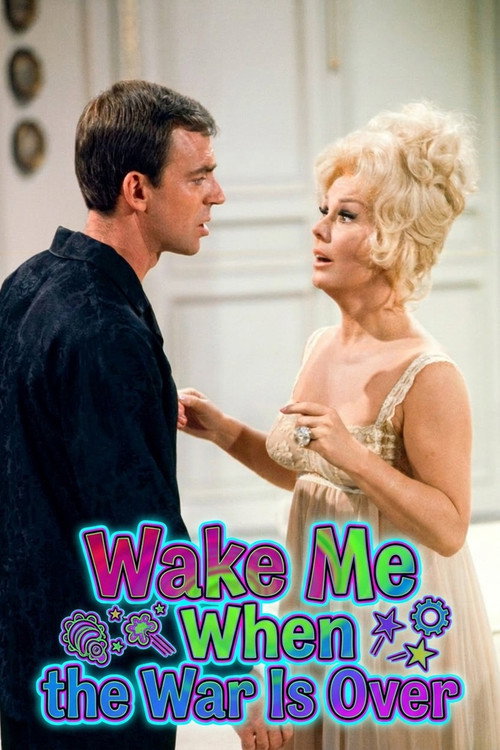
Wake Me When the War Is Over adheres to mid-century cinematic conventions, prioritizing a localized, romantic comedy structure. The narrative lacks multi-layered complexity and does not challenge social hierarchies or provide diverse perspectives. The storytelling remains conventional and does not include systemic critiques or diverse representation found in more progressive modern works.
Category Breakdown
The film follows a traditional romantic structure centered around a relationship between an American Lieutenant and a German Baroness. There are no stories involving LGBTQ+ individuals.
The Baroness manipulates the protagonist's environment through deception, exercising significant influence. However, this is framed as a romantic obsession rather than a critique of patriarchal structures.
The cast is homogeneous, typical of 1960s productions. The narrative focuses on American and German characters during a wartime context.
The story uses a wartime backdrop to drive a character-driven comedy. It maintains a conventional approach to historical settings without challenging Western institutions or patriotism.
There is no mention of characters with visible or invisible disabilities in the film.
Present on Screen
Limited or Absent
Official Synopsis
During the latter days of WWII an American Lieutenant accidentally falls out of an airplane into German territory. He is taken in by a Baroness who becomes smitten with him and doesn't want him to leave, so she doesn't tell him that the war has ended...for five years!
1968

1973

1961
1966
1961
1966
1968
1938
No reviews yet. Be the first to share your thoughts on this movie!
Use the rating form above to leave a star rating and optional review.