Eagles Fly Early
1966
No user ratings available yet
Representation score: 5.0 out of 10
Representation Score
Limited
1964
Director
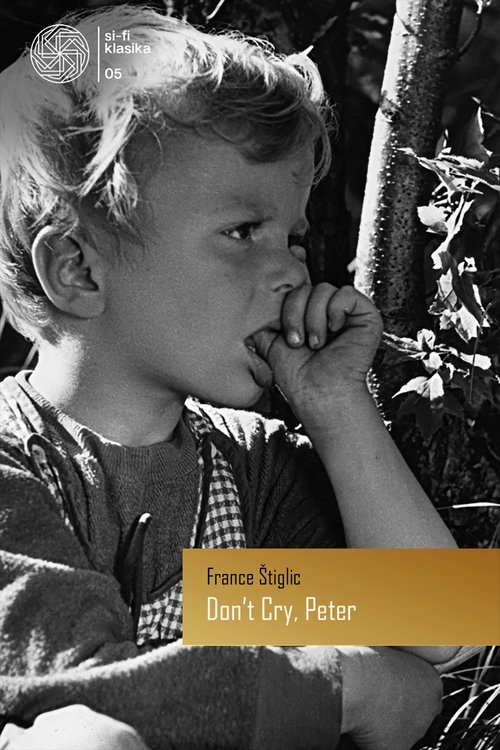
France Štiglic
Runtime
88 minutes
Average Rating
No ratings yetNew Showbiz Analysis
Don't Cry, Peter subverts the traditional war hero cliché by centering its narrative on domestic responsibility and emotional labor. Instead of glorifying martial prowess, the film explores the transition from professional disillusionment to deep emotional integration with vulnerable children. While the film reflects the historical limitations of 1964 Yugoslav cinema, it offers progressive value through its nuanced view of masculinity. The protagonists move from feeling humiliated by childcare duties to embracing their roles as protectors and nurturers. The work functions as a humanist study of interpersonal ethics. It prioritizes empathy and the protection of the innocent over the rigid ideological dogma often found in wartime propaganda.
Category Breakdown
The film does not include any LGBTQ+ characters or narratives. The story focuses solely on the bond between the partisan miners and the orphans.
The narrative centers on a male-dominated partisan environment. However, it challenges traditional masculinity by showing male protagonists taking on roles of caretaking and emotional vulnerability.
The cast is ethnically homogeneous within its regional Yugoslav context. The film focuses on the systemic threat of war rather than racialized identity.
The film prioritizes secular humanism and communal responsibility over religious frameworks. It highlights personal bonds and subjective morality within the collective struggle.
There is no evidence regarding the depiction of physical or neurodivergent disabilities. The narrative does not address these specific identities.
Present on Screen
Limited or Absent
Official Synopsis
Two partisan miners are entrusted with the task of honor to transfer safely three orphan children from a dangerous zone of fighting to the safe liberated territory. In the beginning the two miners feel humiliated because they would like to engage in more important action, but later they become big friends with the children, especially with Peter, the youngest one.
1966
1973
1998
1966
1964
1988
1985
1997
No reviews yet. Be the first to share your thoughts on this movie!
Use the rating form above to leave a star rating and optional review.