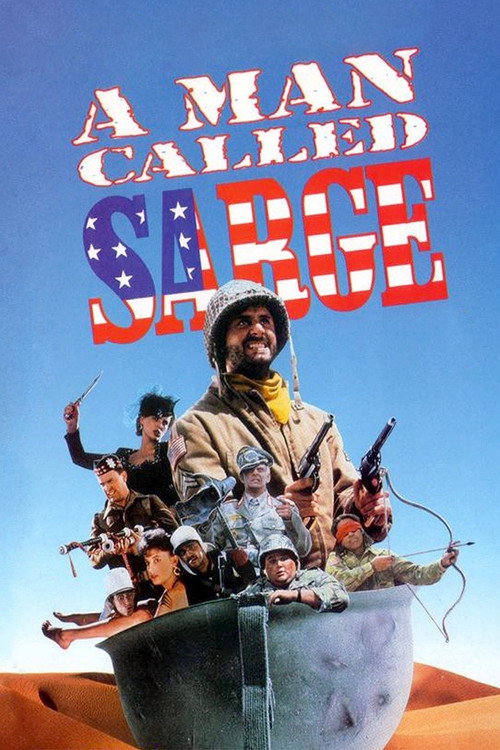
A Man Called Sarge
1990
No user ratings available yet
Representation score: 3.2 out of 10
Representation Score
Fair
1967
NRDirector
Richard Lester
Runtime
109 minutes
Average Rating
No ratings yetNew Showbiz Analysis
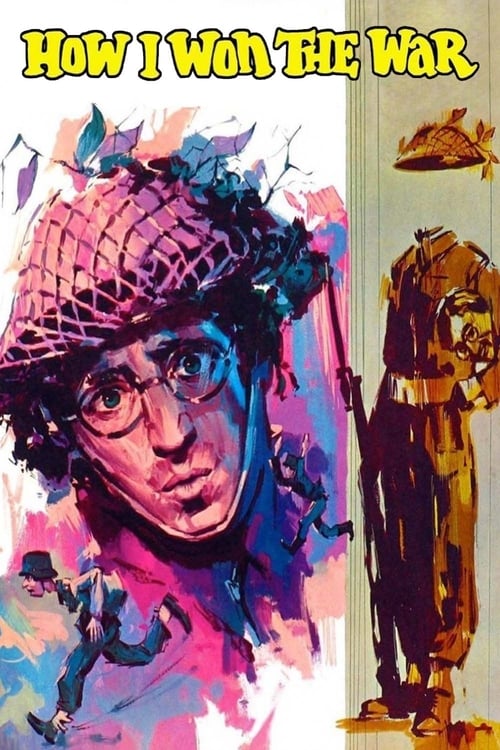
How I Won the War is a work of institutional subversion rather than demographic inclusion. While it fails to provide meaningful representation for women, ethnic minorities, or LGBTQ+ individuals, it succeeds in its cultural critique. By utilizing absurdity to deconstruct the military-industrial complex, the film challenges traditional notions of patriotism and heroism. It replaces the sanctity of the war epic with a portrayal of systemic dysfunction and incompetence. Ultimately, the film's progressive value is found in its narrative structure, which mocks established social structures while remaining tethered to the homogeneous demographics of its era.
Category Breakdown
The film focuses almost exclusively on the male-centric military experience of the 1940s. There is no presence of LGBTQ+ identities or same-sex intimacy.
Women are relegated to secondary, domestic, or romantic roles, failing to challenge the military's gendered hierarchy.
Reflecting the 1942 historical context, the cast is predominantly white and Anglo-Saxon. The film lacks diverse ethnic perspectives or intentional color-blind casting.
The film excels in its postmodern satire of Western institutions. It deconstructs military glory by framing the war machine as a chaotic, bureaucratic absurdity.
There is no significant focus on neurodivergence or physical disabilities. Characters are defined by military rank rather than lived experiences of disability.
Present on Screen
Limited or Absent
Official Synopsis
An inept British WWII commander leads his troops to a series of misadventures in North Africa and Europe.
1990

1973

1959
1966
1960
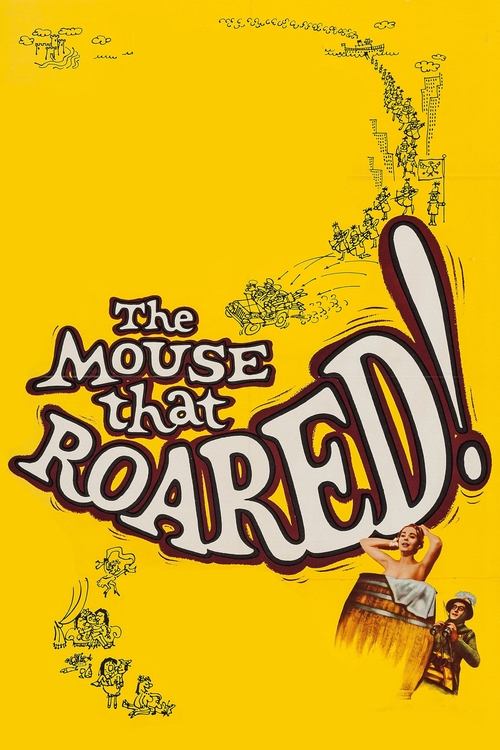
1959
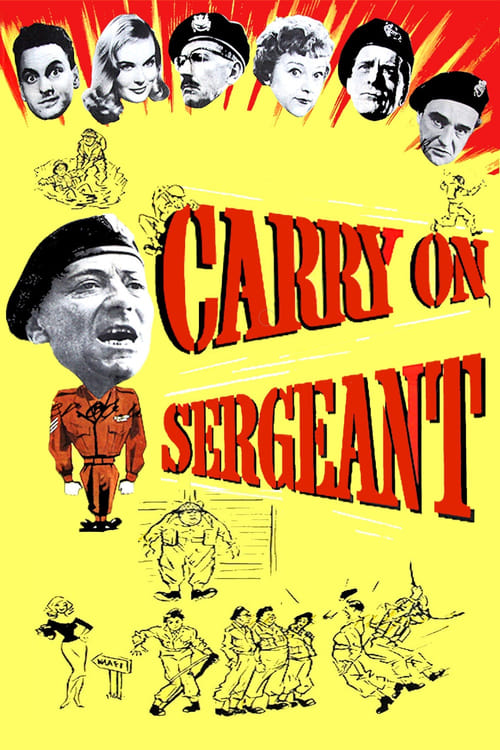
1958
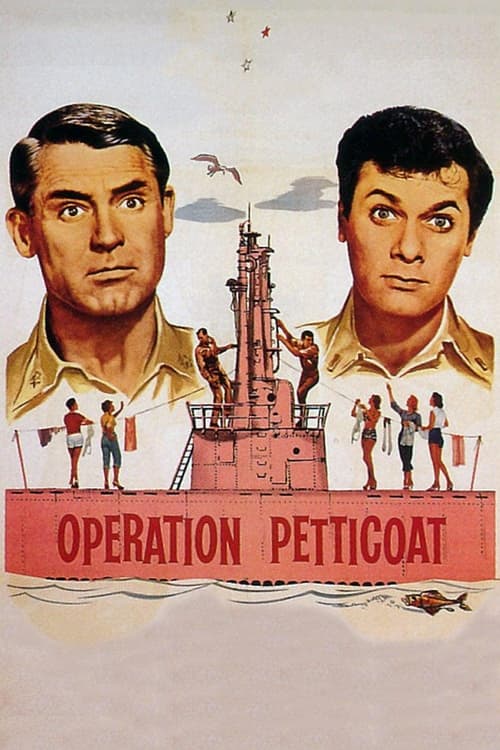
1959
No reviews yet. Be the first to share your thoughts on this movie!
Use the rating form above to leave a star rating and optional review.