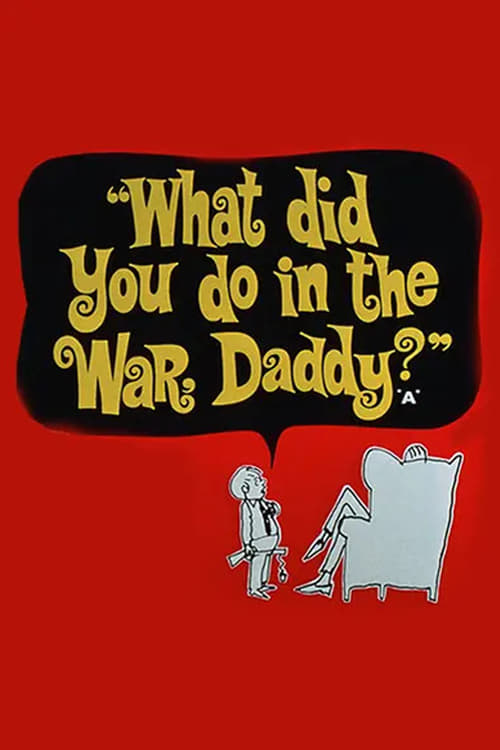
What Did You Do in the War, Daddy?
1966
No user ratings available yet
Diversity score: 4.2 out of 10
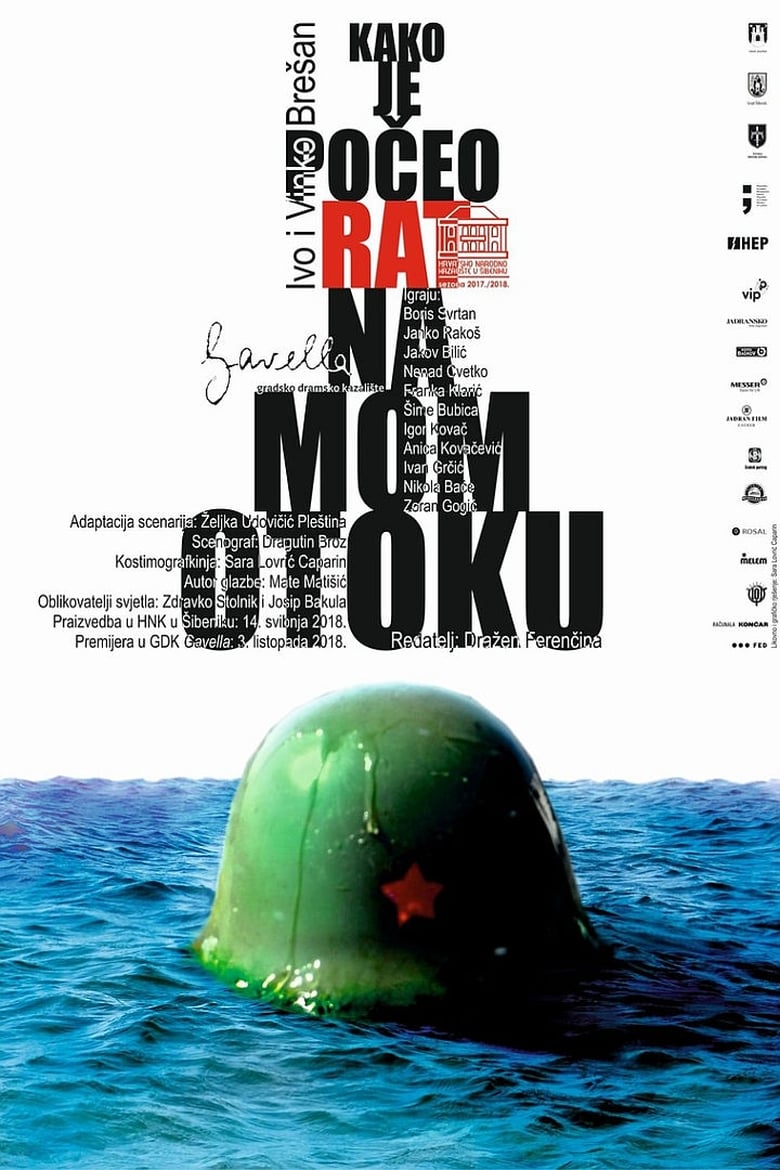
1997
Director
Vinko Brešan
Runtime
97 minutes
Average Rating
No ratings yetSynopsis
At the beginning of 1991, Yugoslav army did not acknowledge Croatian's independence, and still holding few military barracks in Croatia. Gajski travels to an island to get his son out of the army. Locals have besieged the barracks and organized a festival to try with singing and recitals to get major Aleksa and his soldiers to surrender, but Aleksa has explosives thru the barracks and wants to blow up the island.
Overall Score
Fair
Category Breakdown
LGBTQ+ Representation
The film lacks any discernible LGBTQ+ characters or narratives. The story focuses strictly on the localized impact of the Yugoslav conflict on a specific community.
Gender Representation
The narrative centers heavily on male agency and patriarchal structures. It mirrors masculine-dominated environments of military survival rather than actively subverting gender hierarchies.
Racial & Ethnic Diversity
The cast is predominantly ethnically homogeneous, reflecting the South Slavic demographic of the island. This grounded realism aligns with the specific ethnic tensions of 1991.
Religious & Cultural Diversity
The film excels at deconstructing traditional institutions through dark satire. It replaces heroic military tropes with absurdity, critiquing the stability of state power during wartime.
Disability Representation
There is no evidence of characters with visible or invisible disabilities. No such identities are integrated into the narrative or used as central plot drivers.
Strengths
Areas for Improvement
AI Analysis
Vinko Brešan’s film operates as a postmodern critique of conflict rather than a study of intersectional identity. It prioritizes the deconstruction of war myths over demographic variety, using dark satire to expose the absurdity of military authority. While the film lacks representation for LGBTQ+ individuals and characters with disabilities, it finds its depth in cultural subversion. It replaces traditional melodrama with moral ambiguity and situational ethics, challenging the sanctity of state institutions. Ultimately, the work is a localized, ethnically specific study of the 1991 conflict. It succeeds as a sociopolitical satire but remains narrow in its demographic scope.
1966
1961
1966
1964
1964
1976
1969
1936
2024
1973
1988
2002
No reviews yet. Be the first to share your thoughts on this movie!
Use the rating form above to leave a star rating and optional review.