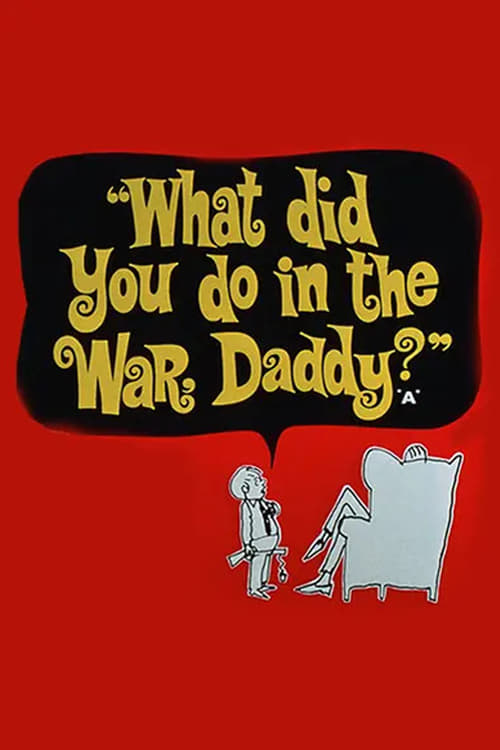
What Did You Do in the War, Daddy?
1966
No user ratings available yet
Diversity score: 4.2 out of 10

1959
Director
Christian-Jaque
Runtime
106 minutes
Average Rating
No ratings yetSynopsis
Beautiful housekeeper Babette travels to England after the Nazis invade France. There, British intelligence devise a plan for Babette to sneak back home, where she could use her feminine charm on key Nazi officer Schulz, gleaning valuable information for England. However, Babette, although willing and spirited, is naïve and untrained, making her less than ideal for matters of national security.
Overall Score
Fair
Category Breakdown
LGBTQ+ Representation
The film lacks LGBTQ+ characters or explorations of non-heteronormative identities. The social landscape focuses entirely on the survivalist realities of wartime Europe.
Gender Representation
Babette disrupts wartime hierarchies by centering a female protagonist within a male-dominated military landscape. She demonstrates significant agency through social maneuvering and tactical deceptions rather than passive victimhood.
Racial & Ethnic Diversity
The cast and setting are predominantly homogeneous, reflecting the historical context of Nazi-occupied France. The narrative adheres to the standard cinematic conventions of 1950s European productions.
Religious & Cultural Diversity
The film engages with moral relativism by framing survival-based deceptions as necessary responses to war. It prioritizes individual struggle against oppressive systemic structures over rigid institutional morality.
Disability Representation
There are no visible or invisible disabilities portrayed within the primary character arcs. No characters with disabilities are used as narrative devices.
Strengths
Areas for Improvement
AI Analysis
Babette Goes to War succeeds in subverting traditional gender roles by placing a resourceful woman at the center of a chaotic military plot. The protagonist's power comes from social fluidity and situational ethics rather than institutional authority. However, the film remains limited by the era's cinematic norms, offering almost no racial or LGBTQ+ diversity. The narrative is deeply localized to a specific European wartime context, which results in a homogeneous cast. Ultimately, the film is a transitional piece that trades traditional heroic archetypes for a more complex, morally gray form of individual agency.
1966
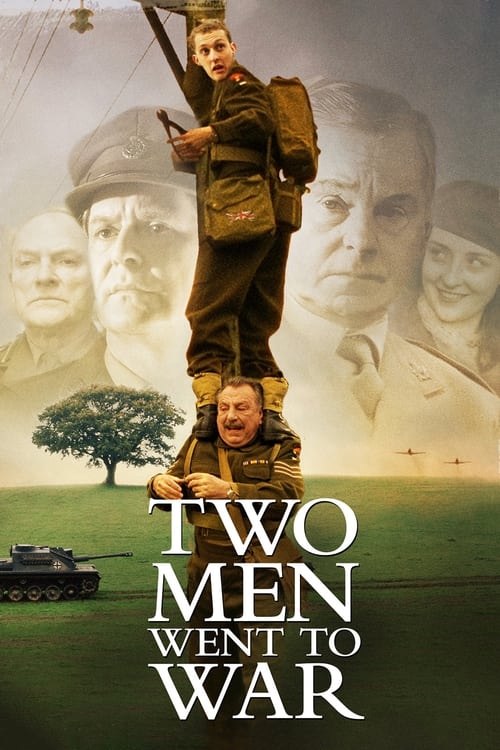
2002
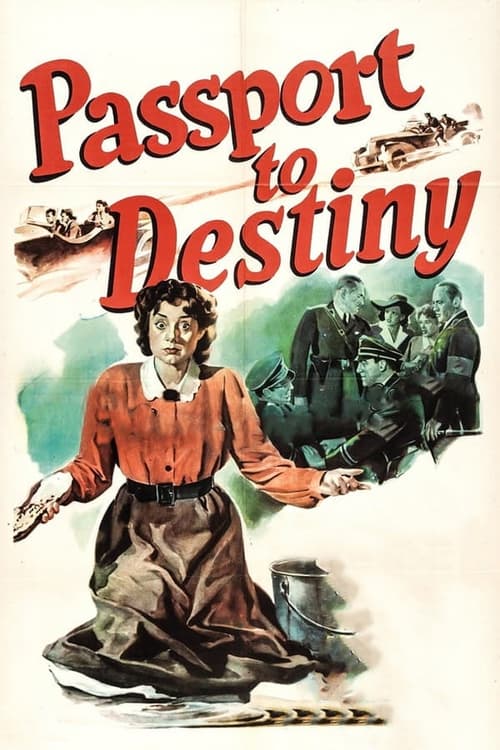
1944
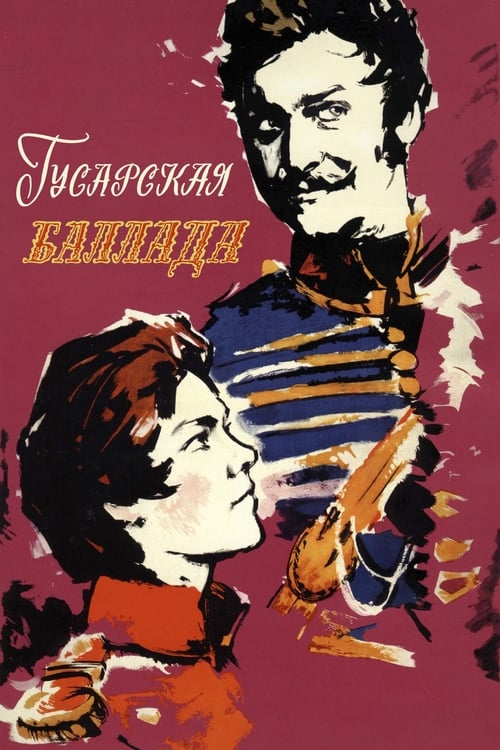
1963
2004
1967
1983
1964
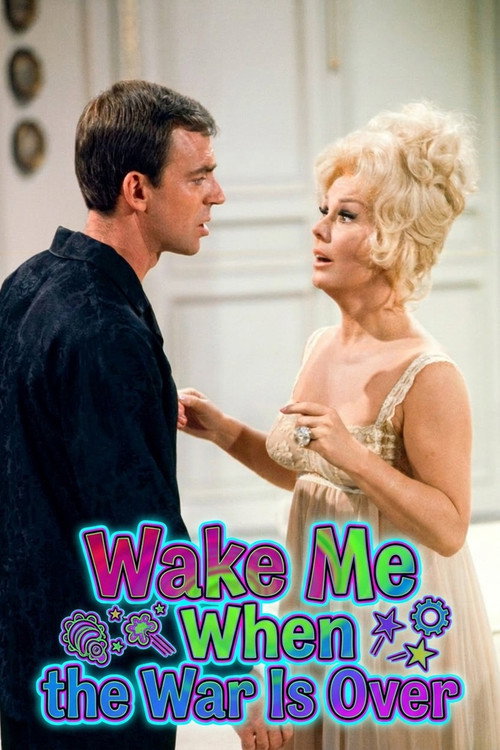
1969
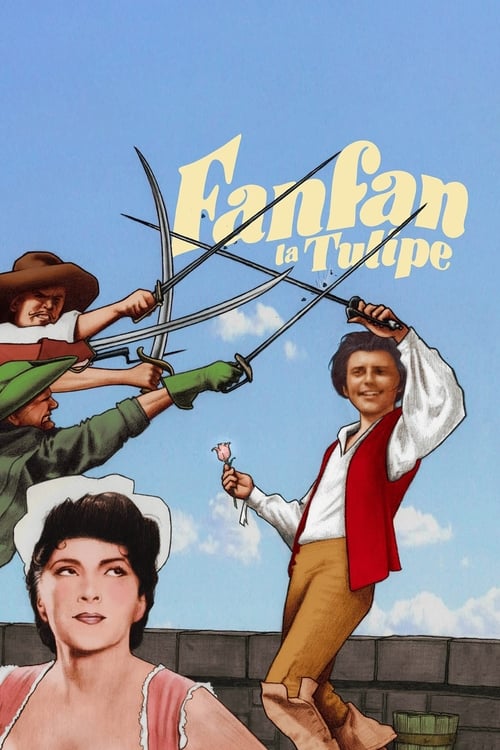
1952
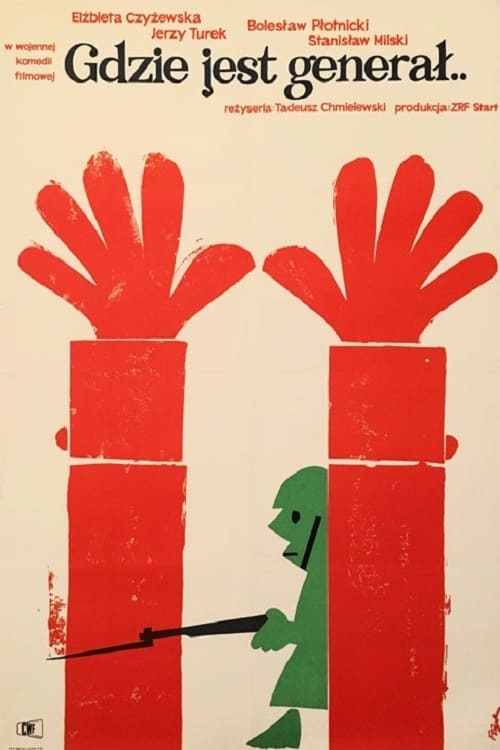
1964

1973
No reviews yet. Be the first to share your thoughts on this movie!
Use the rating form above to leave a star rating and optional review.