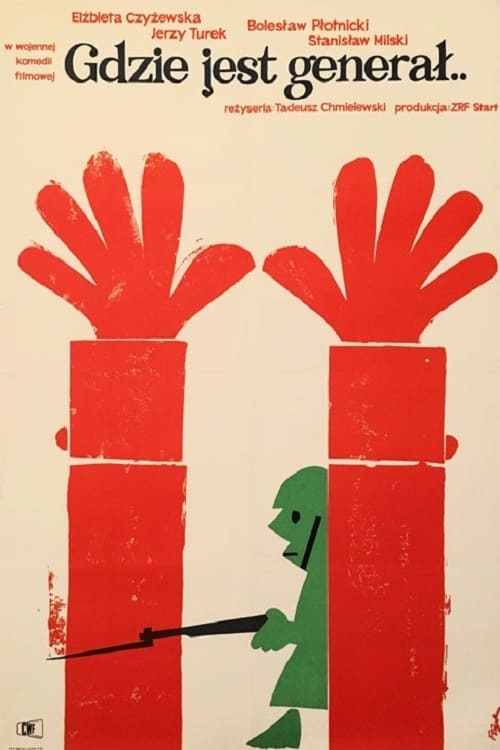
Where is the General?
1964
No user ratings available yet
Representation score: 5.0 out of 10
Representation Score
Minimal
1936
Director
Michał Waszyński
Runtime
82 minutes
Average Rating
No ratings yetNew Showbiz Analysis
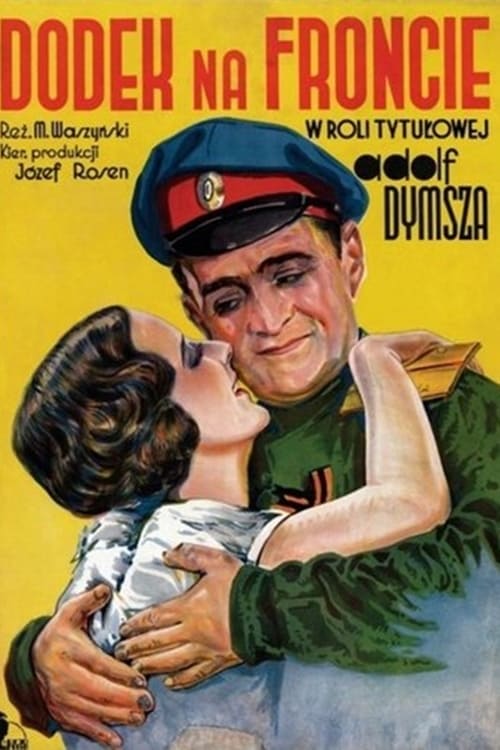
Dymsza na wojnie is a situational comedy that uses the chaos of wartime bureaucracy and mistaken identity to create humor. The plot revolves around an Austrian soldier mistakenly identified as a Russian officer, using military hierarchy as a comedic tool. The film explores the shifting national identities of the Great War era but does not challenge social hierarchies. Instead, it prioritizes escapism and situational irony over progressive representation.
Category Breakdown
The film does not include any characters with non-traditional gender identities. The story revolves around the comedic elements of military bureaucracy and mistaken identity.
The story focuses on male military figures such as Dodek and Majewski. It seems to follow the traditional gender roles common in the 1930s.
The film is set in the ethnic complexities of Eastern Europe during World War I. National identities are explored through the lens of military conflict rather than diverse cultural perspectives.
The movie functions as a traditional escapist comedy of errors. It does not critically examine institutions or promote secular ideas.
There is no information available regarding the depiction of physically or neurodivergent characters in this work.
Present on Screen
Limited or Absent
Official Synopsis
During World War I in 1916, Austrian soldier Dodek Wędzonka is mistaken for a Russian lieutenant and freed by a Russian patrol, only to be quartered at the seized Majewo estate - home of his own superior, Lieutenant Majewski.
1964
1973
1957
1959
1926

1938

1936
1942
No reviews yet. Be the first to share your thoughts on this movie!
Use the rating form above to leave a star rating and optional review.