
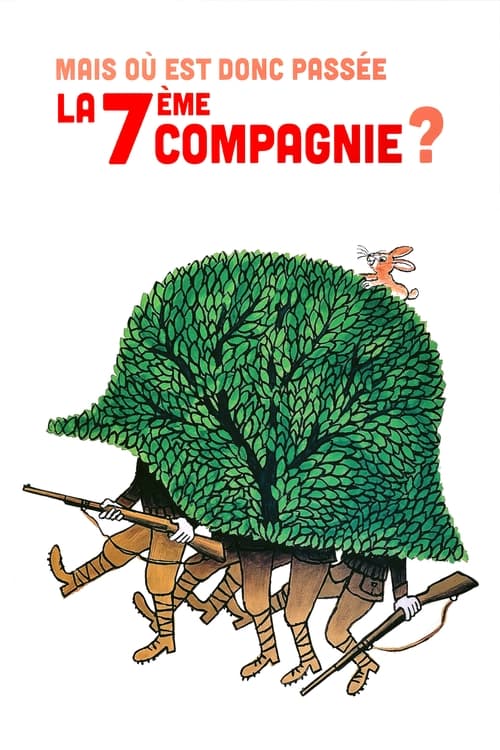
The Seventh Company Has Been Found
1975
No user ratings available yet
Representation score: 1.8 out of 10
Representation Score
Limited
1973
Director
Robert Lamoureux
Runtime
95 minutes
Average Rating
No ratings yetNew Showbiz Analysis
This 1973 war comedy focuses almost exclusively on a homogeneous group of French soldiers. The film lacks representation for LGBTQ+ individuals, diverse ethnic groups, or people with disabilities. However, the film provides a unique cultural perspective by rejecting standard military romanticism. Instead of glorifying the state, it uses satire to highlight institutional incompetence and the absurdity of wartime chaos. Ultimately, the film's value lies in its narrative subversion of heroism rather than its commitment to identity diversity.
Category Breakdown
The film focuses on a masculine military environment during the 1940 Fall of France. There are no LGBTQ+ characters or non-straight relationships shown.
The story centers around male camaraderie and military hierarchy. While it challenges the idea of heroic soldiers by showing them as lazy, it doesn't address broader gender inequalities.
The cast is made up mostly of French soldiers, with no indication of a multi-ethnic or diverse group of characters.
The film offers a satirical view of military efficiency and national defense. It highlights the chaos and absurdity of the era by focusing on the breakdown of order.
There are no visible or mentioned depictions of physical or neurodivergent disabilities within the narrative.
Present on Screen
Limited or Absent
Official Synopsis
1940: During the chaotic running fights of the French army the 7th company disappears - nobody knows they've been taken captive. Only their scouting patrol, three witty but lazy guys, can escape and now wanders around behind the German lines. They'd like to just stay out the fights, but a Lieutenant urges them to use a captured truck to break through to their troops.
1975
1966
1964
1983
1945
1942
1960
1970
No reviews yet. Be the first to share your thoughts on this movie!
Use the rating form above to leave a star rating and optional review.