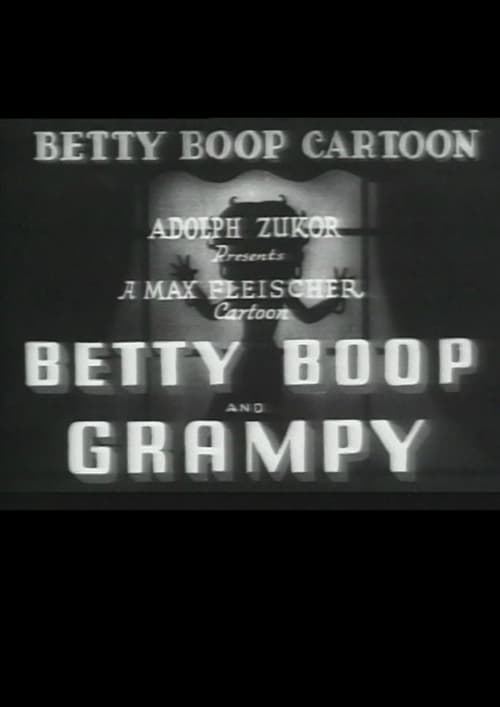
Betty Boop and Grampy
1935
No user ratings available yet
Representation score: 0.4 out of 10
Representation Score
Limited
1934
PassedDirector
Dave Fleischer
Runtime
9 minutes
Average Rating
No ratings yetNew Showbiz Analysis
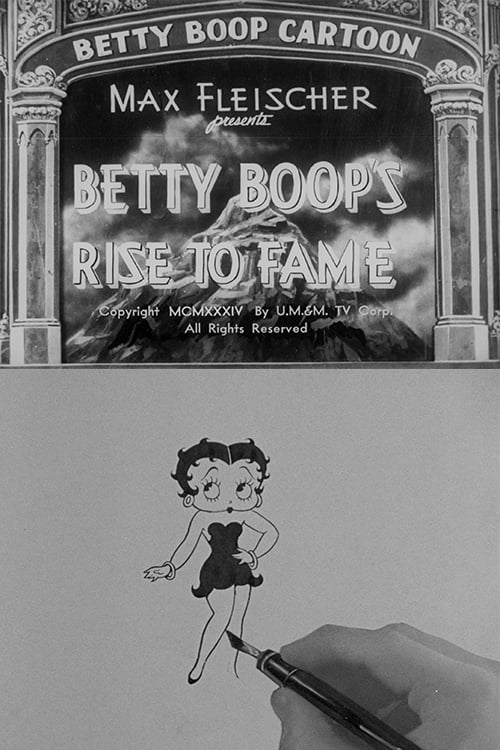
This promotional short functions as a meta-narrative, featuring a reporter interviewing Max Fleischer about Betty Boop's development. Since it compiles previous clips, it lacks a cohesive narrative arc for deeper social commentary. Betty Boop herself represents a departure from passive female archetypes, but the promotional nature of the film limits its capacity for broad social themes or diverse representation. Ultimately, the film reflects the mainstream studio productions of its time, focusing on intellectual property and the rise of a singular star.
Category Breakdown
The film does not include any explicit LGBTQ+ identities or narratives. While Betty Boop's surreal visuals invite later queer interpretations, there is no clear LGBTQ+ representation in this film.
Betty Boop challenges the traditional roles of women in the 1930s by showing independence and strong performance skills. However, it is unclear if the film challenges gender hierarchies or just emphasizes a female star's persona in a male-dominated industry.
The film focuses on the creator and his primary creation. There is no evidence of a diverse or non-Anglo-Saxon majority cast within the provided context.
The short operates within a traditional capitalist framework to celebrate a commercial icon. It does not engage in religious subversion or promote secularism over traditional values.
No information is available regarding the depiction of physical or neurodivergent characters in this short.
Present on Screen
Limited or Absent
Official Synopsis
A reporter interviews Max Fleischer about his creation, and Betty illustrates with excerpts from three prior cartoons.
1935

1935

1936

1935

1936

1937

1937

1936
No reviews yet. Be the first to share your thoughts on this movie!
Use the rating form above to leave a star rating and optional review.