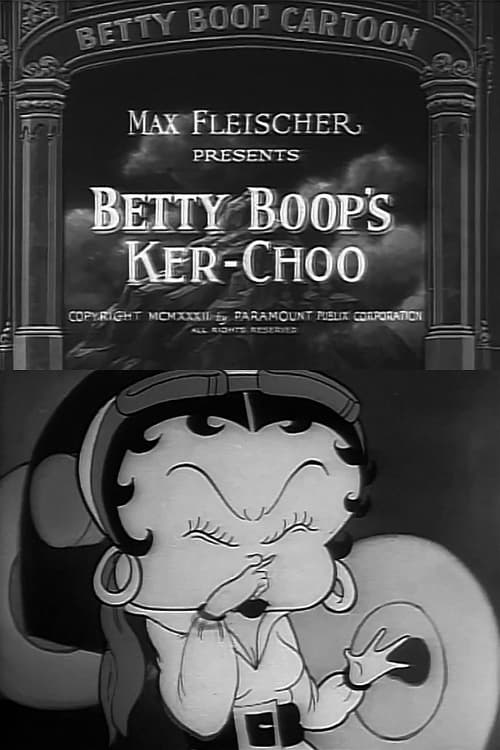
Betty Boop's Ker-Choo
1933
No user ratings available yet
Representation score: 0.4 out of 10
Representation Score
Minimal
1932
Director
Dave Fleischer
Runtime
8 minutes
Average Rating
No ratings yetNew Showbiz Analysis
This animation is a classic example of 1930s filmmaking, reinforcing the biases of its time. It uses colonialist and racialized caricatures to exoticize the South Pacific setting. Betty Boop, the main character, is confined to traditional gender roles and performs more as a visual focal point than a character with genuine ability to act or intellectual depth. The film does not challenge existing power structures. Instead, it focuses on escapist musical comedy, reinforcing the cultural and racial hierarchies of early 20th-century American media.
Category Breakdown
The film does not include any LGBTQ+ characters or explore non-straight relationships. The interpersonal dynamics focus on flirtatious interactions.
Betty Boop is the main character, but her role is mostly performative. She is pursued rather than having a strong, independent role in the story.
Pacific Islander cultures are depicted using colonialist stereotypes and exaggerated caricatures. The film treats the South Sea setting as an exotic backdrop.
Non-Western settings are presented as novel and exotic. The island setting is used more as decoration than a place with cultural depth.
No characters with visible or invisible disabilities are depicted. There is no representation of neurodivergent or physical disability within the short.
Present on Screen
Limited or Absent
Official Synopsis
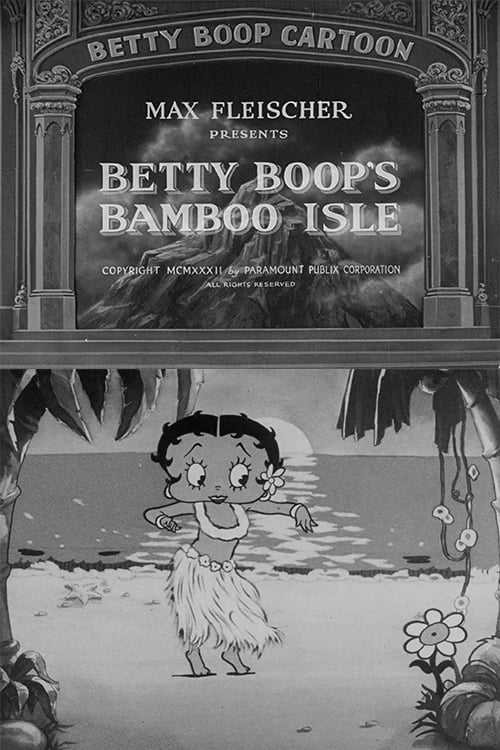
On a South Sea isle, Bimbo meets Betty in the guise of a hula dancer.
1933
1935
1930
1933
1932
1934
1937
1933
No reviews yet. Be the first to share your thoughts on this movie!
Use the rating form above to leave a star rating and optional review.