Pudgy the Watchman
1938
No user ratings available yet
Diversity score: 2.5 out of 10
1933
Director
Dave Fleischer
Runtime
7 minutes
Average Rating
No ratings yetSynopsis
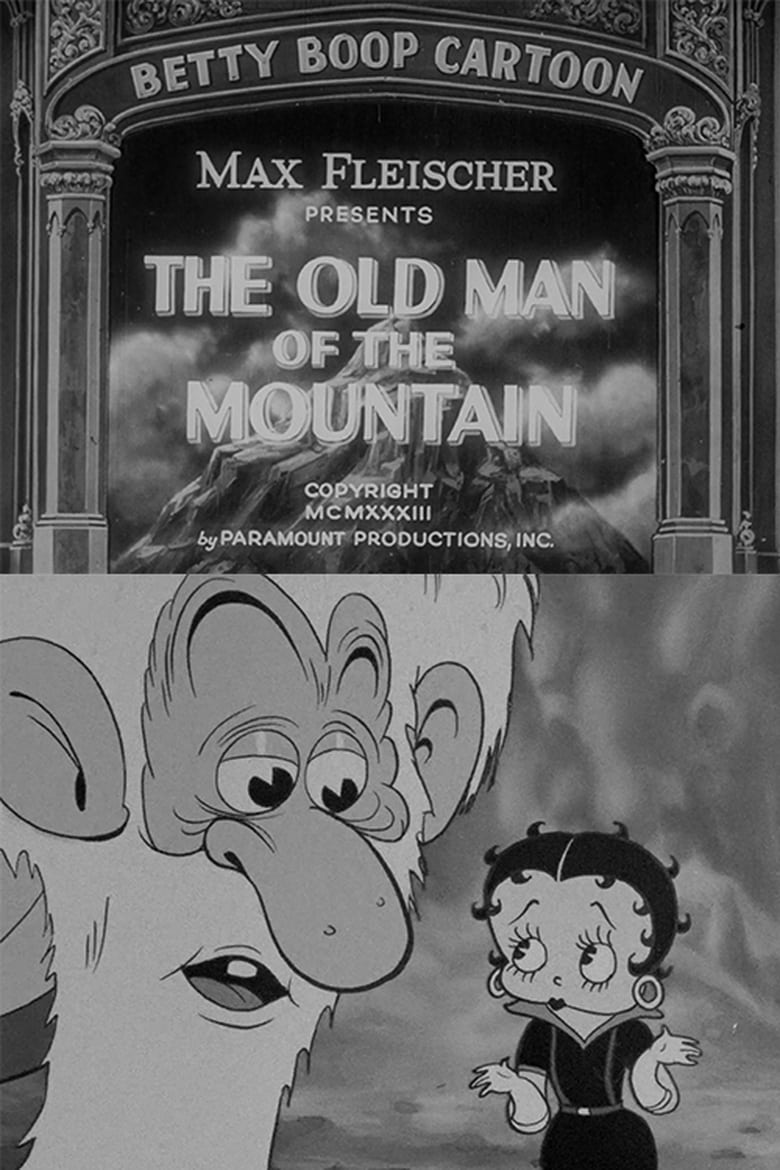
Betty Boop goes to see the fearsome Old Man of the Mountain for herself; he sings the title song and a duet with Betty.
Overall Score
Limited
Category Breakdown
LGBTQ+ Representation
The film lacks explicit evidence of non-heteronormative identities or same-sex intimacy. The narrative centers on a musical duet between Betty Boop and the Old Man of the Mountain.
Gender Representation
Betty Boop provides a degree of agency and flirtatious autonomy that disrupts traditional feminine archetypes. She actively seeks out the fearsome character rather than acting as a passive damsel.
Racial & Ethnic Diversity
There is no evidence of a diverse cast or the inclusion of non-Anglo-Saxon characters. The film reflects the lack of visible inclusion common in 1933 animation.
Religious & Cultural Diversity
The short functions as a musical vignette within the surrealist tradition. It lacks clear evidence of anti-religious, anti-capitalist, or overtly secularist themes.
Disability Representation
The provided context contains no evidence regarding the inclusion of characters with physical or neurodivergent disabilities.
Strengths
Areas for Improvement
AI Analysis
This 1933 Fleischer short is a product of its era, characterized by a narrow demographic focus. While it avoids some traditional gendered tropes through Betty Boop's independent characterization, it fails to provide any meaningful racial or ethnic diversity. The film relies on musicality and surrealism rather than social or systemic critique. It lacks the intersectional complexity or queer representation necessary to move beyond a baseline musical vignette. Ultimately, the work is a standard example of early animation that reflects the era's historical limitations regarding inclusive storytelling.
1938
1937
1938

1931
1928
1934
1933

1934
1934
1938
1934
1932
No reviews yet. Be the first to share your thoughts on this movie!
Use the rating form above to leave a star rating and optional review.