
Let's Sing with Popeye
1934
No user ratings available yet
Representation score: 0.7 out of 10
Representation Score
Minimal
1938
Director
Dave Fleischer
Runtime
7 minutes
Average Rating
No ratings yetNew Showbiz Analysis
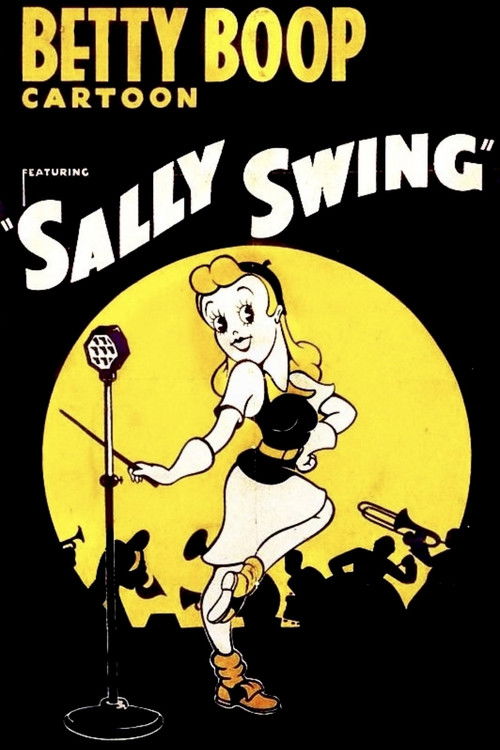
Sally Swing is a product of its time, deeply embedded in the social and cultural hierarchies of the late 1930s. The narrative prioritizes escapism and mainstream celebrity clichés over progressive representation. While Betty Boop is a central figure, the story reinforces traditional gender roles and class-based archetypes. The lack of diversity results in a low diversity score. Ultimately, the film serves as a celebratory piece of era-specific entertainment that lacks any significant disruption of conventional social norms.
Category Breakdown
The film follows conventional romantic and social structures typical of the late 1930s. There is no evidence of queer narratives or non-straight relationships.
The plot centers on Betty Boop but relies on traditional hierarchies. The search for a masculine-coded bandleader and the use of gendered archetypes limit its complexity.
The work reflects the era's prevailing homogeneity. It lacks evidence of a diverse cast, adhering to the Anglo-centric casting standards common in 1938 animation.
The narrative celebrates mainstream celebrity culture and standard social activities like college dances. It functions as escapist media rather than a critique of Western institutions.
There is no evidence of characters with visible or invisible disabilities within the film's context.
Present on Screen
Limited or Absent
Official Synopsis
Betty Boop, auditioning bandleaders for a college swing dance, "discovers" a cleaning woman who resembles Betty Grable
1934
1934
1936
1935
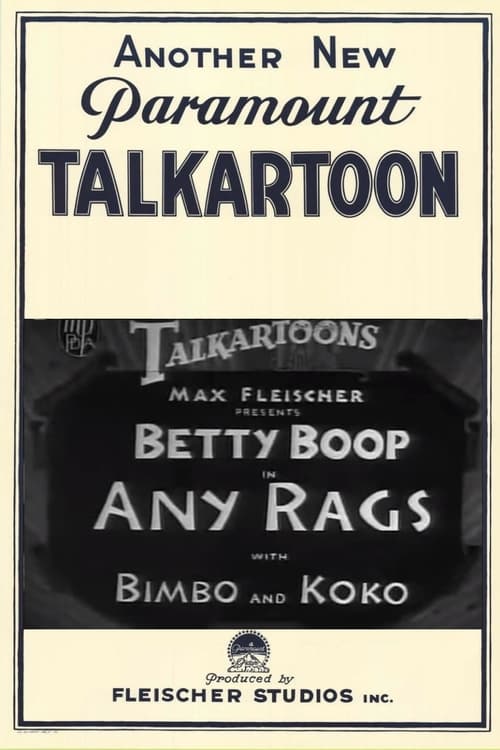
1932
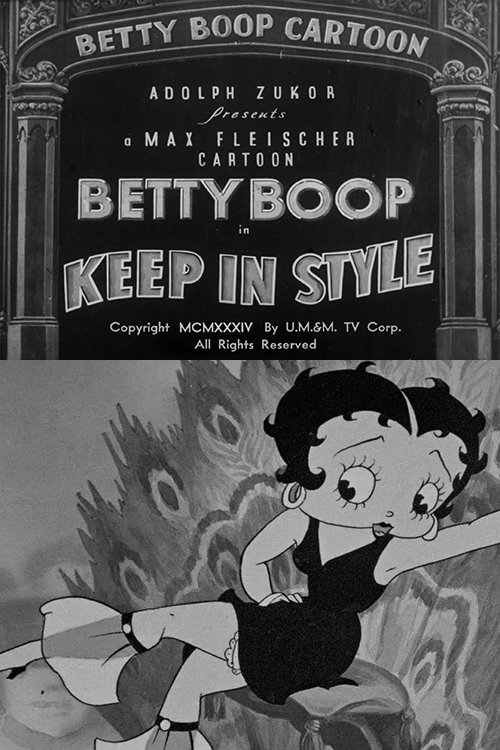
1934
1939
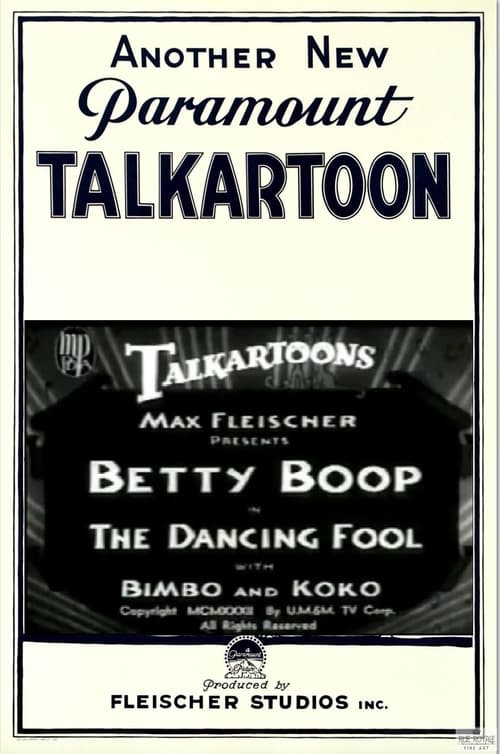
1932
No reviews yet. Be the first to share your thoughts on this movie!
Use the rating form above to leave a star rating and optional review.