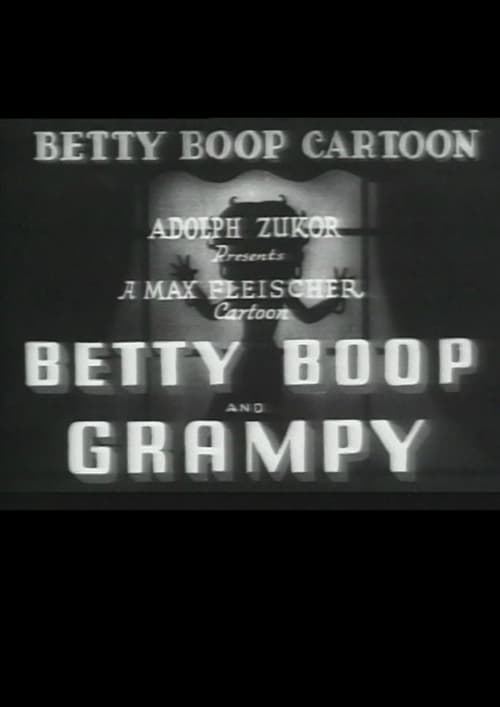
Betty Boop and Grampy
1935
No user ratings available yet
Representation score: 0.4 out of 10
Representation Score
Limited
1933
Director
Dave Fleischer
Runtime
6 minutes
Average Rating
No ratings yetNew Showbiz Analysis
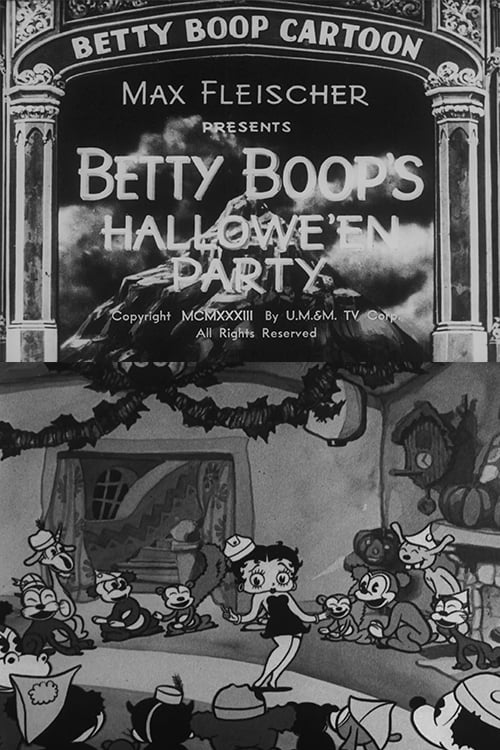
This short is a quintessential example of early 1930s surrealist animation, prioritizing visual absurdity and dream-like logic over social depth. The narrative relies heavily on established clichés and traditional character archetypes common to the Fleischer era. While the animation is groundbreaking in its fluid, chaotic style, it lacks intentional representation of diverse identities. Characters function primarily as vessels for comedic movement rather than complex individuals with varied social backgrounds. Ultimately, the film serves as escapist entertainment that reinforces the social norms of its time rather than challenging them.
Category Breakdown
The story focuses solely on the flirtatious relationship between Betty Boop and Bimbo, with no representation of LGBTQ+ identities or dynamics.
Betty Boop is portrayed through hyper-feminine archetypes, using flirtation as her main interaction style. She remains within the gender roles typical of the 1930s.
The cast consists of stylized, anthropomorphic cartoon figures. There is no intentional blending of diverse racial and ethnic identities.
The film offers a secular, carnival-like look at a seasonal holiday. It prioritizes surreal atmosphere over any critique of social or religious structures.
Character bodies are distorted for slapstick humor, but these transformations do not represent meaningful depictions of physical or neurodivergent disabilities.
Present on Screen
Limited or Absent
Official Synopsis
Betty Boop hosts a Hallowe'en party with a few uninvited guests.
1935
1981
1932

1999
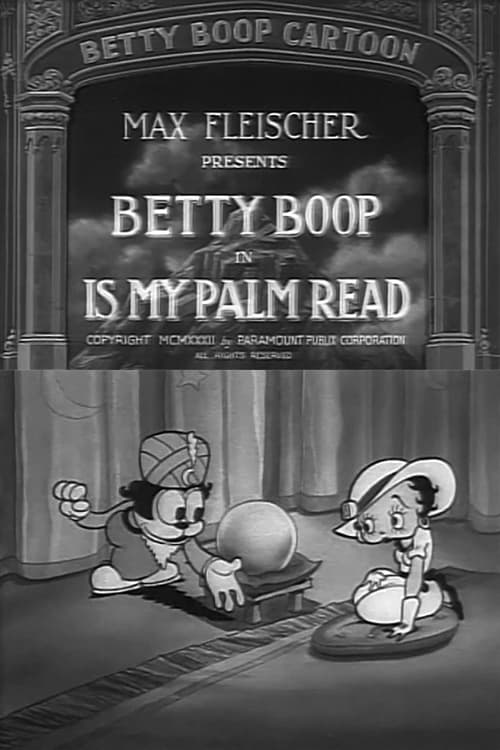
1933
1937
1936
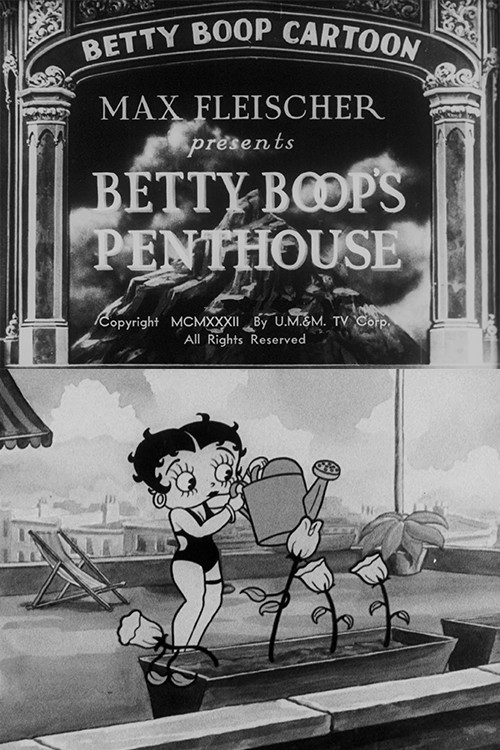
1933
No reviews yet. Be the first to share your thoughts on this movie!
Use the rating form above to leave a star rating and optional review.