
Return of Daimajin
1966
No user ratings available yet
Diversity score: 3.2 out of 10
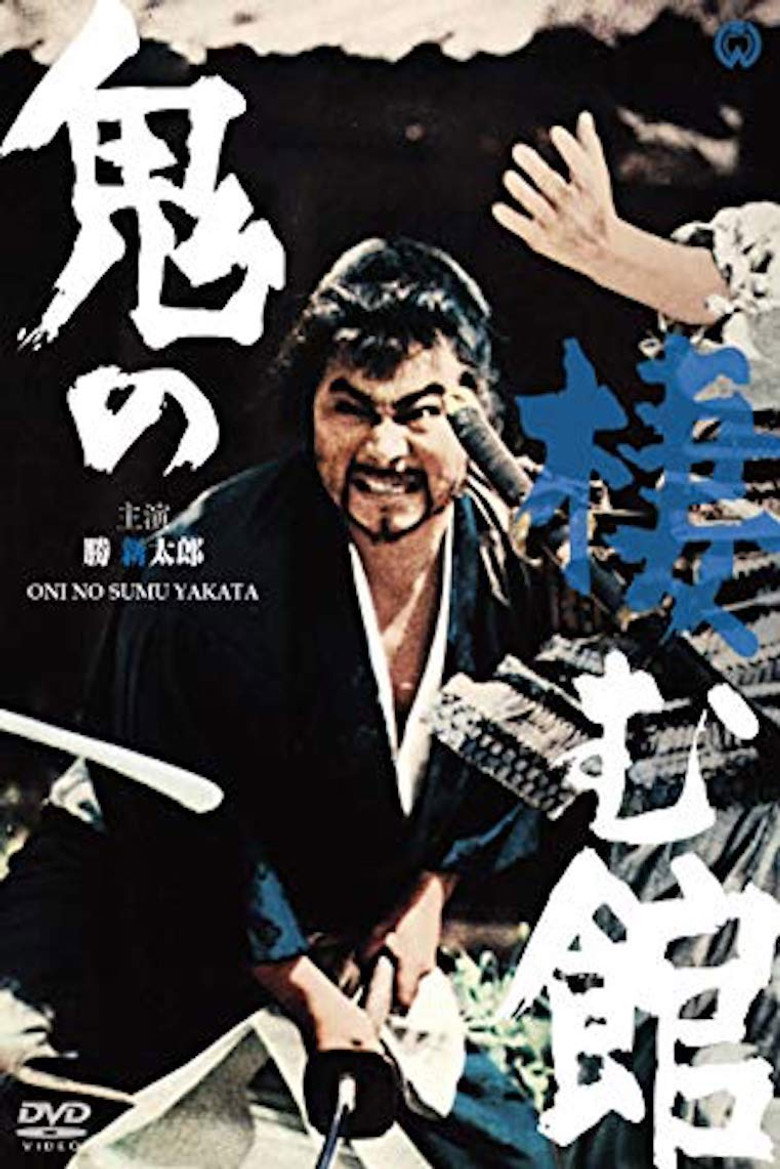
1969
Director
Kenji Misumi
Runtime
76 minutes
Average Rating
No ratings yetSynopsis
An abandoned temple in the mountains outside of the old capital city of Kyoto is the scene of a fated meeting between a traveling priest, two women, and a vicious killer. Bloody violence erupts whenever strangers approach the temple. Can the traveling priest bring his belief in the Buddha and rid the three temple residents of the devils that hold their souls?
Overall Score
Fair
Category Breakdown
LGBTQ+ Representation
The film lacks evidence of non-cisnormative identities or same-sex intimacy. The narrative focuses on a traditional triad, suggesting a heteronormative framework typical of 1969 period dramas.
Gender Representation
Two women are central to the temple's resident population and the film's conflict. However, they may function as victims or vessels for moral testing within a standard period-drama dynamic.
Racial & Ethnic Diversity
The cast is ethnically homogeneous, reflecting the film's specific historical Japanese setting near Kyoto. It reinforces a specific cultural landscape rather than pursuing contemporary global casting trends.
Religious & Cultural Diversity
The story explores the tension between religious authority and individual morality. While examining human darkness, the priest's role suggests a reinforcement of traditional spiritual hierarchies.
Disability Representation
There is no evidence of characters with physical or neurodivergent disabilities. The 'devils' mentioned appear to be metaphorical or spiritual rather than depictions of actual disability.
Strengths
Areas for Improvement
AI Analysis
Kenji Misumi’s film is a genre-driven exploration of spiritual and psychological conflict. It relies on traditional folklore and internal character struggles rather than modern intersectional identity politics. The narrative structure is rooted in the era's cinematic constraints, focusing on a priest and two women caught in a cycle of violence. While women hold central roles, their agency remains tied to traditional tropes of moral testing. Ultimately, the film serves as a study of human nature and religious duty within a culturally specific Japanese context, prioritizing spiritual themes over diverse social representation.
1966
1962

1969

1977
1960
1959
1966

1980
1968
1957
1989

1970
No reviews yet. Be the first to share your thoughts on this movie!
Use the rating form above to leave a star rating and optional review.