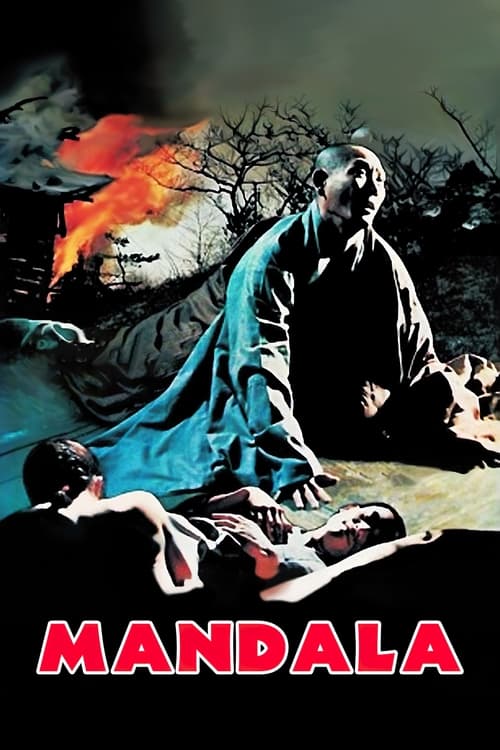
Mandala
1981
No user ratings available yet
Representation score: 2.9 out of 10
Representation Score
Fair
1989
Director
Im Kwon-taek
Runtime
134 minutes
Average Rating
No ratings yetNew Showbiz Analysis
Im Kwon-taek’s film provides a significant departure from Western-centric storytelling by focusing on Korean Buddhist traditions. The narrative challenges traditional family roles, presenting a neglectful mother and an absent father to highlight the protagonist's isolation. While the film excels in its engagement with non-Western philosophical frameworks and provides a culturally specific perspective, it lacks representation of LGBTQ+ identities and specific disability portrayals. The focus remains on the protagonist's internal spiritual evolution and her rejection of societal norms.
Category Breakdown
The film does not include explicit representations of LGBTQ+ identities or queer romantic relationships. The story focuses on the protagonist's personal struggles and spiritual journey rather than exploring queer themes.
Sun Nyog serves as a central female protagonist who transitions from a position of victimhood to one of spiritual autonomy and self-determination. Her journey highlights her growth and empowerment.
This South Korean production offers a non-Western perspective. Although the cast is ethnically uniform, it provides visibility to Korean social structures and spiritual traditions.
The film prioritizes Buddhist philosophy over Western-centric moral frameworks. It critiques traditional family institutions by showing them as sources of trauma rather than stability.
There is no specific evidence regarding the portrayal of physical or neurodivergent disabilities. The protagonist's hardships may suggest emotional distress, but this is not explicitly defined.
Present on Screen
Limited or Absent
Official Synopsis
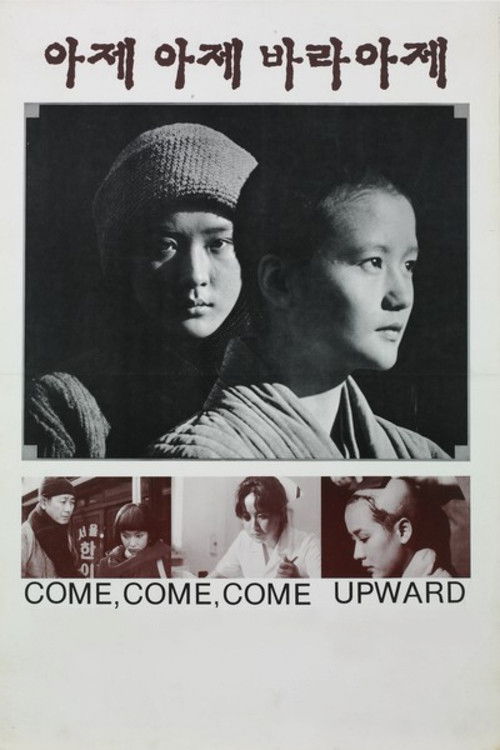
Schoolgirl Sun Nyog suffers from pain and hardships, life and the world around her confuse the girl. Her father, a Buddhist monk, left them, the mother has totally neglected her daughter while her lover harasses the girl. One winter day Sun Nyog goes to the temple. She decides to study Buddhism and is ordained as a nun. In 1989 the film participated in the MIFF competition and won the Bronze St. George for Best Actress.
1981

2007
1989

1956
1993

2005
1986
1986
No reviews yet. Be the first to share your thoughts on this movie!
Use the rating form above to leave a star rating and optional review.