
Marketa Lazarová
1967
No user ratings available yet
Representation score: 3.9 out of 10
Representation Score
Minimal
1960
Not RatedDirector
Ingmar Bergman
Runtime
90 minutes
Average Rating
No ratings yetNew Showbiz Analysis
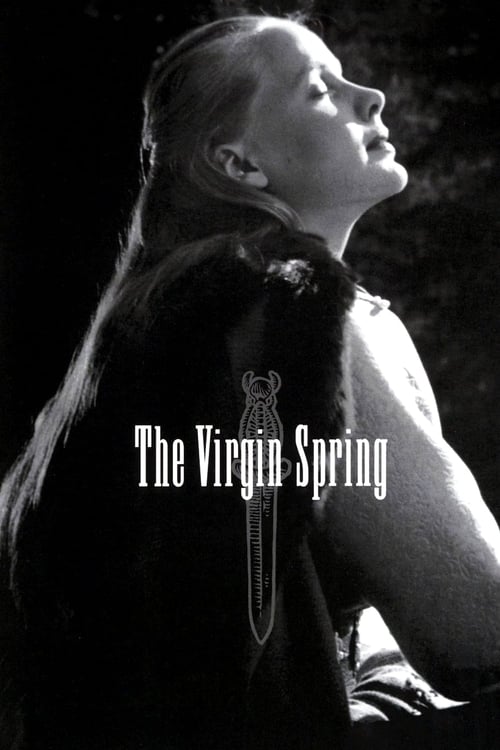
The Virgin Spring is a profound exploration of existential dread and the failure of traditional structures. While its scores are low by modern standards, the film uses its historical setting to challenge expectations of a benevolent moral universe. The narrative structure critiques the perceived stability of medieval social and religious institutions. It portrays these structures as sources of profound psychological instability rather than comfort. Ultimately, the film focuses on the human psyche and the breakdown of morality in the face of extreme violence and trauma.
Category Breakdown
The film adheres to a strict medieval framework that assumes everyone is straight and cisgender. There is no depiction of diverse gender identities or same-sex relationships.
Women have very little control over their lives in the film, which centers on their victimization by male violence and guilt. The narrative defines women’s experiences through male actions.
Set in medieval Sweden, the film reflects the ethnic and cultural uniformity of its time. The cast represents the demographics of that era.
The film examines the idea of God's silence and the fear of divine judgment. It challenges traditional Christian morality by showing the divine as an indifferent observer.
There are no visible or invisible disabilities shown in the film. Characters are defined by their social status and moral struggles rather than any physical or mental differences.
Present on Screen
Limited or Absent
Official Synopsis
Devout Christians Töre and Märeta send their only daughter, the virginal Karin, and their foster daughter, the unrepentant Ingeri, to deliver candles to a distant church. On their way through the woods, the girls encounter a group of savage goat herders who brutally rape and murder Karin as Ingeri remains hidden. When the killers unwittingly seek refuge in the farmhouse of Töre and Märeta, Töre plots a fitting revenge.
1967
1943
1966
1971
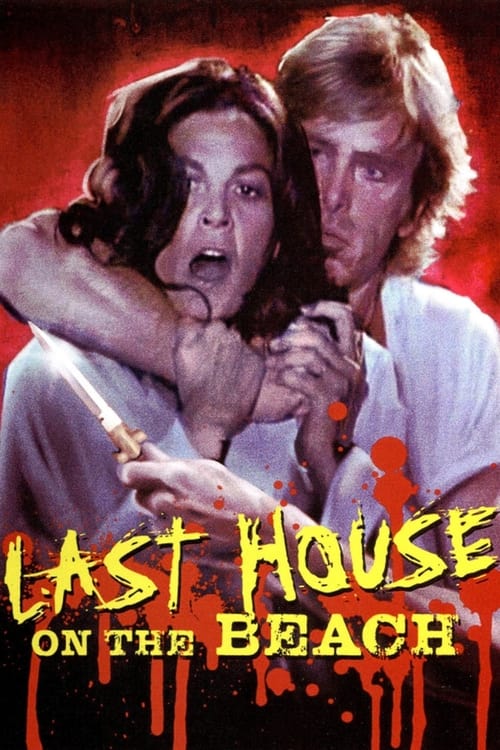
1978
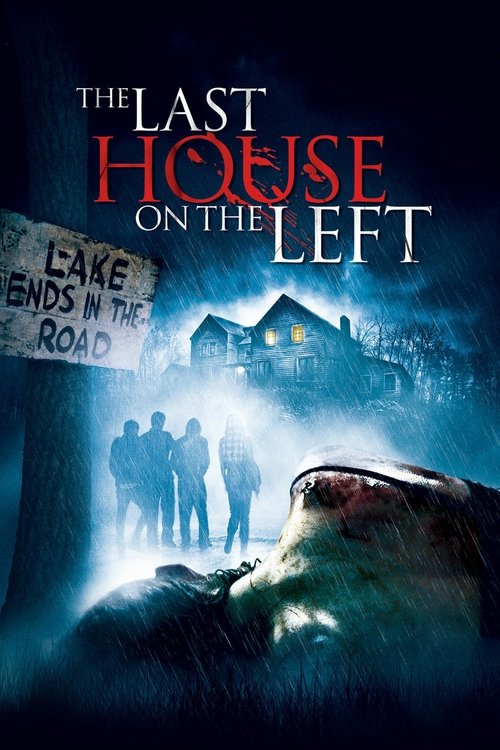
2009
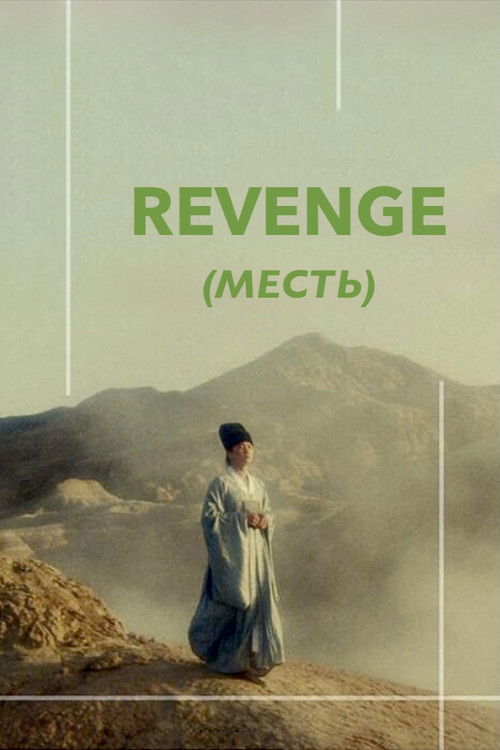
1990
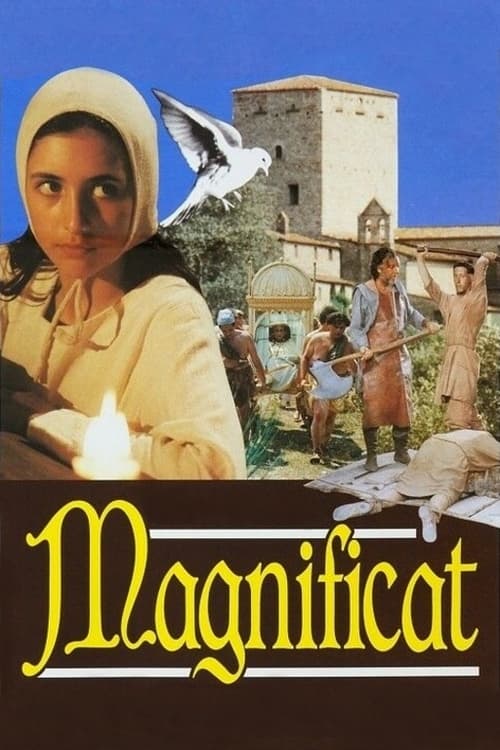
1993
No reviews yet. Be the first to share your thoughts on this movie!
Use the rating form above to leave a star rating and optional review.