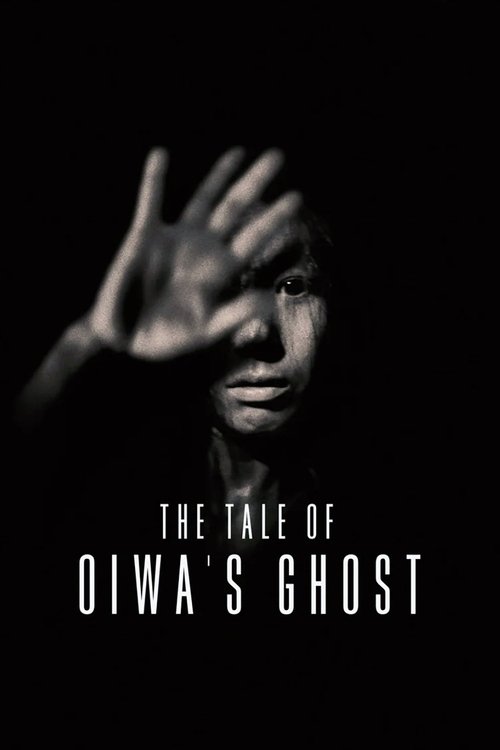
The Tale of Oiwa's Ghost
1961
No user ratings available yet
Representation score: 5.8 out of 10
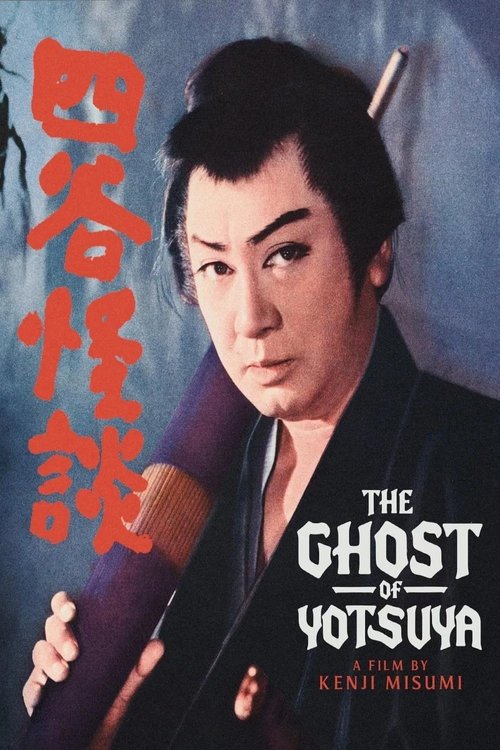
Representation Score
Fair
1959
Director
Kenji Misumi
Runtime
84 minutes
Average Rating
No ratings yetNew Showbiz Analysis
The film excels in its commitment to a non-Western narrative structure, utilizing Japanese folklore to critique greed and social corruption. By centering on a woman's transition from victim to a dominant force, it provides a sophisticated deconstruction of domestic power structures. However, the film lacks modern identity-based representation. It adheres to a strictly straight-centered framework and does not address disability ability to act, focusing instead on the horror of physical transformation.
Category Breakdown
The film operates within a framework that assumes everyone is straight or cisgender. There are no depictions of non-traditional gender identities or same-sex relationships.
Tamiya Oiwa transforms from a submissive wife into a vengeful spirit with unstoppable power. This shift disrupts traditional patriarchal hierarchies and renders the male lead powerless.
The cast is culturally homogeneous, aligning with its Edo-period setting. It avoids Western casting norms, offering an authentic, non-Western perspective on morality and justice.
The narrative prioritizes Japanese folklore and spiritualism over Western religious structures. It explores the consequences of broken social contracts through a supernatural lens of cosmic justice.
Physical disfigurement serves as a symbol of supernatural status rather than an exploration of disability. It functions primarily as a tool for psychological horror.
Present on Screen
Limited or Absent
Official Synopsis
In one of Japan's most frequently-told ghost stories, a murdered wife returns in an act of vengeance.
1961
1921
1958
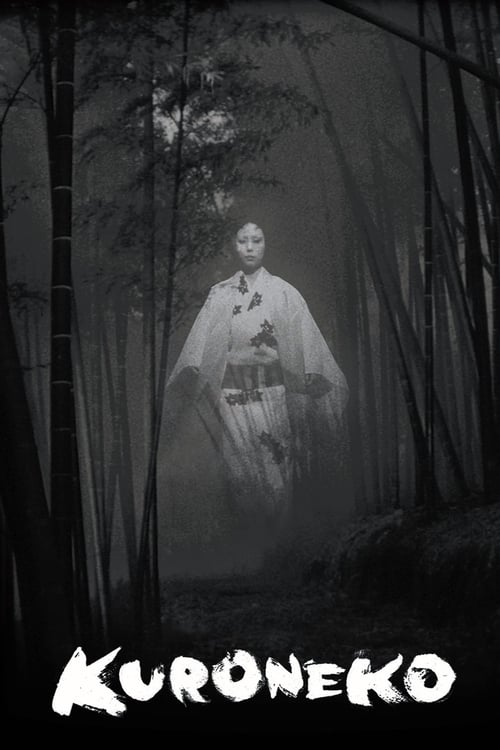
1968
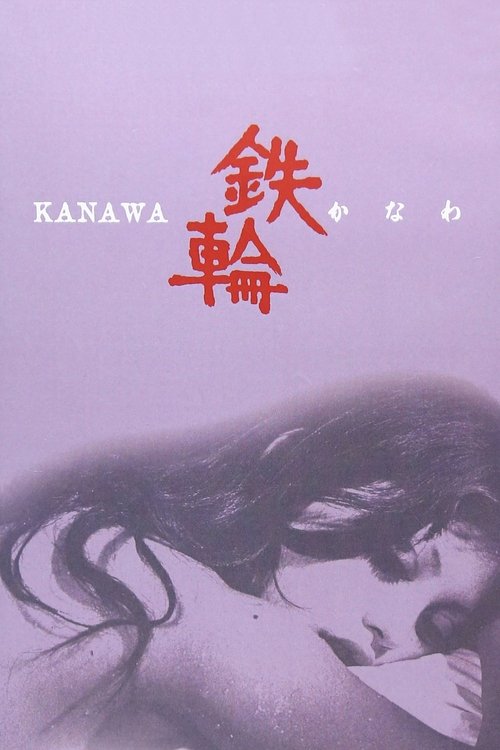
1972
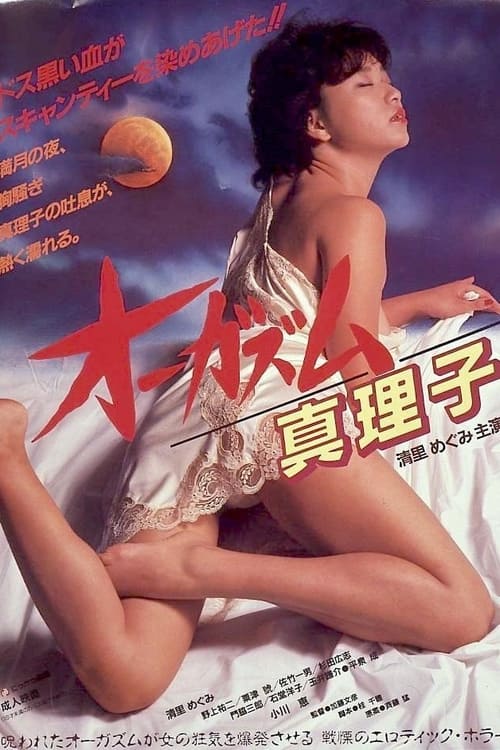
1985

1988
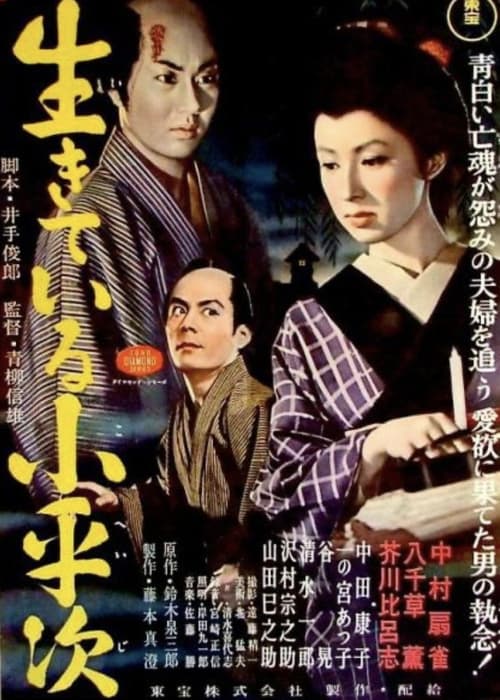
1982
No reviews yet. Be the first to share your thoughts on this movie!
Use the rating form above to leave a star rating and optional review.