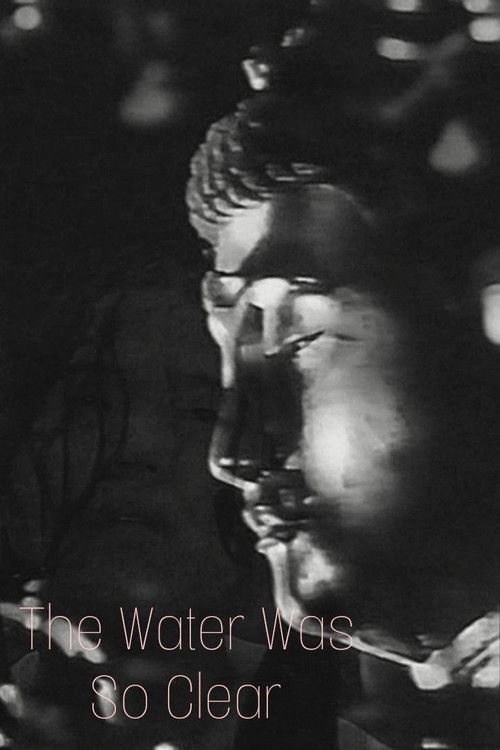
The Water Was So Clear
1973
No user ratings available yet
Representation score: 5.7 out of 10
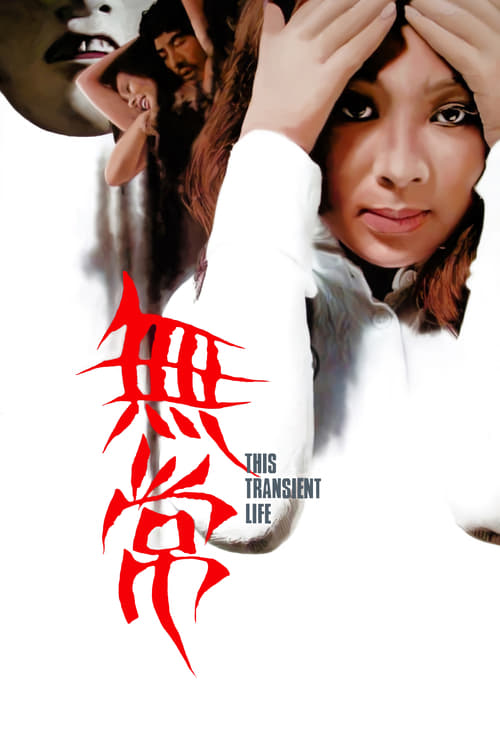
Representation Score
Fair
1970
Not RatedDirector
Akio Jissoji
Runtime
143 minutes
Average Rating
No ratings yetNew Showbiz Analysis
Akio Jissoji’s drama is a profound exploration of social instability, using the Japanese New Wave style to examine existential uncertainty. Its strength lies in its sophisticated critique of religious and societal hierarchies, offering a deep look into post-war cultural alienation. However, the film’s scope is limited in terms of identity representation. Focusing on biological transgressions and a homogeneous cast means it lacks broader characters who reflect more than one aspect of diversity or queer-coded themes. Ultimately, the film is a study of personal truth versus institutional morality, emphasizing psychological complexity over a diverse range of social identities.
Category Breakdown
The film focuses on a taboo relationship rather than exploring LGBTQ identities. It delves into unconventional intimacy but does not explicitly represent non-binary genders.
Female characters avoid traditional submissive roles, instead taking active roles in complex interpersonal relationships. The story emphasizes psychological depth over conventional domestic duties.
The cast is predominantly Japanese, reflecting the cultural context of 1970s Japan. It provides a genuine glimpse into a specific Japanese cultural environment.
The film critically examines traditional institutions such as Buddhist monasteries. It uses existential themes to challenge post-war social structures and moral codes.
There is no notable depiction of physical or cognitive disabilities in this work.
Present on Screen
Limited or Absent
Official Synopsis
Near a remote Buddhist monastery, a young man falls in love with his sister and gets her pregnant. After a monk finds out, the young man becomes an assistant to a master sculptor, only to proceed to complicate matters with his affairs.
1973
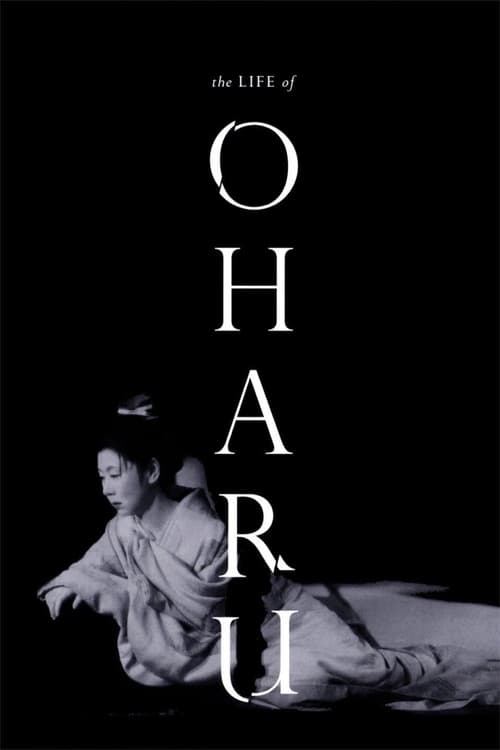
1952
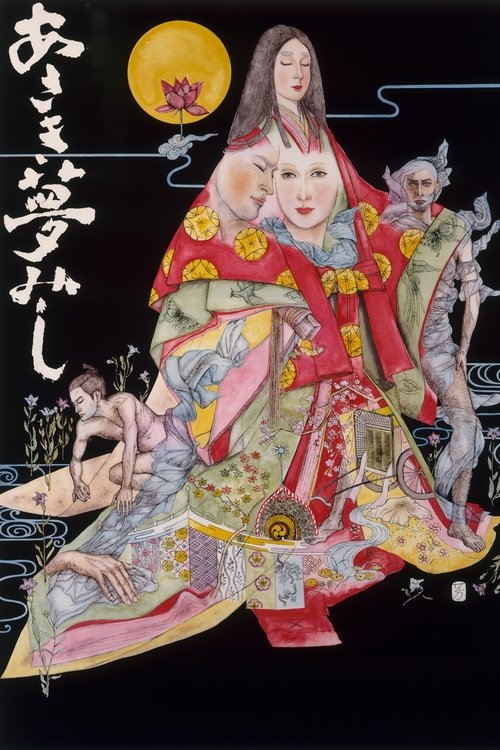
1974
1951

1962
1975
1972

1978
No reviews yet. Be the first to share your thoughts on this movie!
Use the rating form above to leave a star rating and optional review.