
Shoes
1916
No user ratings available yet
Diversity score: 4.8 out of 10
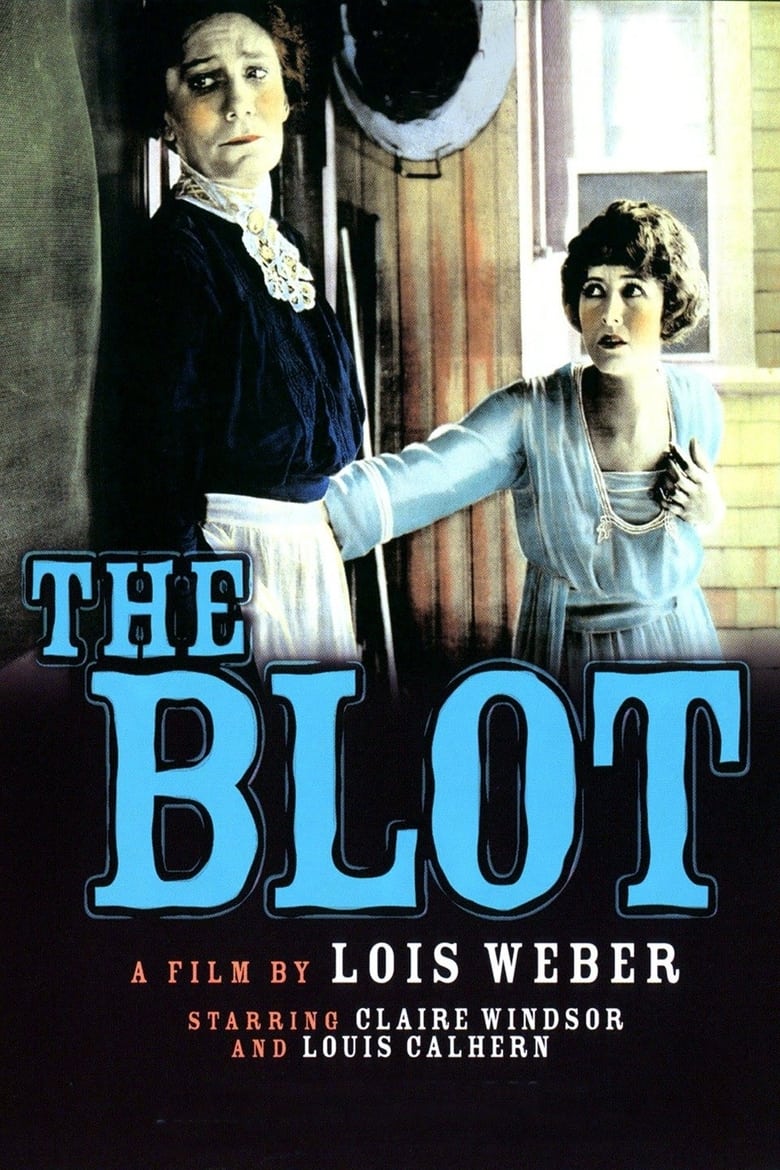
1921
Director
Lois Weber
Runtime
91 minutes
Average Rating
No ratings yetSynopsis
Professor Griggs, teaching at the college, doesn't get paid a living wage; his next door neighbor, successful shoemaker Olsen, has money and plentiful food, while the Griggses have hardly any. When the professor's rich student Phil West falls for beautiful Griggs daughter Amelia and also befriends the poor Reverend Gates (a young man who is also in love with Amelia), he observes the difference in his life and theirs and tries to help make a difference.
Overall Score
Fair
Category Breakdown
LGBTQ+ Representation
The film lacks any discernible LGBTQ+ characters or non-heteronormative narratives. Romantic arcs are strictly centered on traditional heterosexual pairings.
Gender Representation
Weber centers the emotional stakes on female characters navigating social hierarchies. The film highlights the agency and fortitude of women facing socioeconomic desperation.
Racial & Ethnic Diversity
The narrative depicts a largely homogeneous white environment. There is no evidence of intersectional casting or non-Anglo-Saxon characters in this urban drama.
Religious & Cultural Diversity
The film offers a sophisticated critique of unregulated capitalism and class structures. It frames poverty as a systemic issue rather than a personal moral failing.
Disability Representation
There is no evidence of characters with visible or invisible disabilities within the film's narrative.
Strengths
Areas for Improvement
AI Analysis
Lois Weber’s *The Blot* functions as a piece of intentional social commentary rather than a standard period melodrama. By focusing on the friction between the impoverished Griggs family and the affluent Olsen, the film critiques the systemic failures of economic structures. While the film lacks demographic breadth, particularly regarding racial and LGBTQ+ representation, it gains depth through its progressive narrative intent. It challenges the era's tendency to view prosperity as a reflection of character, instead highlighting the environmental pressures of poverty. Ultimately, the film's strength lies in its ability to use socioeconomic disparity to drive a moral and social reformist agenda.
1916

2014

1910
1932
1913
1921

1914
1925
1936

1927
1941

1909
No reviews yet. Be the first to share your thoughts on this movie!
Use the rating form above to leave a star rating and optional review.