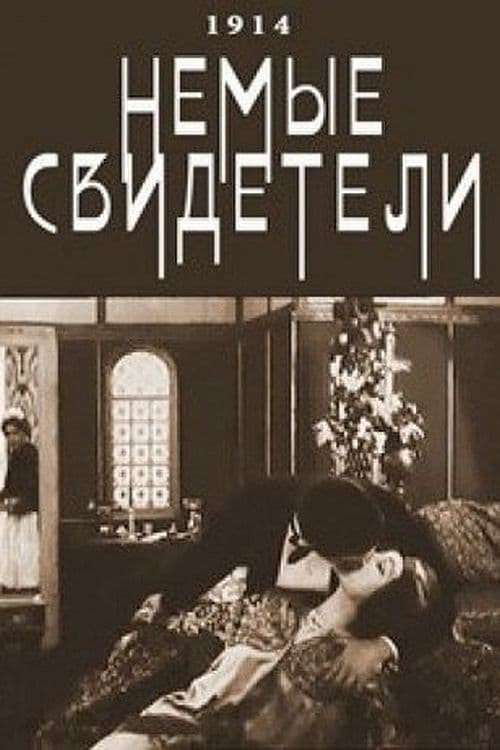
Silent Witnesses
1914
No user ratings available yet
Representation score: 1.7 out of 10
Representation Score
Limited
1913
Director
Yevgeni Bauer
Runtime
48 minutes
Average Rating
No ratings yetNew Showbiz Analysis
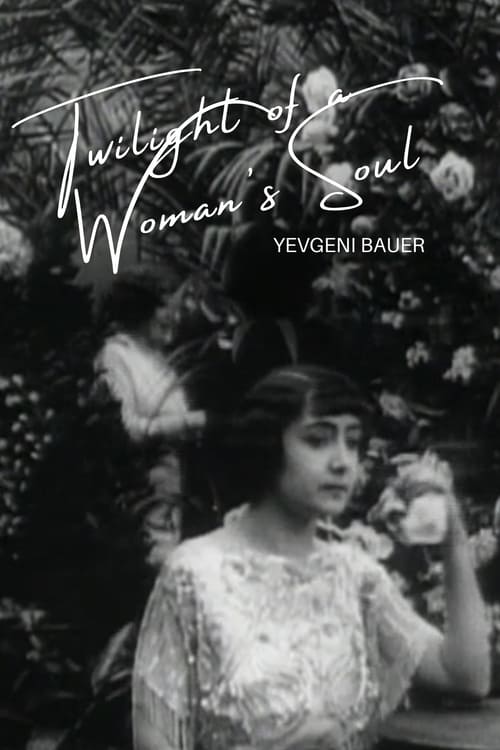
Twilight of a Woman's Soul is a social drama centered on the tension between aristocratic luxury and systemic poverty. The film uses the protagonist's internal discontent to bridge the gap between social classes, moving from individual isolation toward social consciousness. While the film lacks representation for LGBTQ+ identities or disabilities, it offers a nuanced look at class-based empathy. The narrative challenges the typical insulation of the elite by framing the protagonist's journey as a moral awakening. Ultimately, the film's value lies in its critique of aristocratic complacency and its focus on the ability to act of its female lead.
Category Breakdown
The film does not include any representation of LGBTQ+ identities or narratives that question the assumption that everyone is straight or cisgender.
Vera serves as the central emotional and moral driver of the story. She moves beyond passive socialite clichés toward intellectual and moral leadership, playing a significant role in driving the story forward.
The narrative focuses on class distinctions within the Russian Imperial setting. There is no explicit information about the specific racial or ethnic makeup of the characters.
The story critiques traditional class structures by highlighting the disconnect between the aristocracy and the poor. It challenges the idealized stability of the ruling class through social empathy.
There is no mention of characters navigating physical or neurodivergent disabilities in the documentation.
Present on Screen
Limited or Absent
Official Synopsis
Despite living in luxury, Vera is lonely and discontented. When she accompanies her mother, the Countess, on a charity visit to the poor, she is troubled by what she sees, and she resolves to do whatever she can to help them…
1914

1952

1918
1924
1917
1920
1914
1912
No reviews yet. Be the first to share your thoughts on this movie!
Use the rating form above to leave a star rating and optional review.