
Buy Your Own Cherries
1904
No user ratings available yet
Representation score: 1.6 out of 10

Representation Score
Limited
1916
NRDirector
Lois Weber
Runtime
50 minutes
Average Rating
No ratings yetNew Showbiz Analysis
Lois Weber’s *Shoes* is a progressive social drama that critiques broad systemic failures. While the film is limited by the era's lack of racial and LGBTQ+ diversity, it excels in its subversion of traditional gender roles and moral frameworks. The narrative replaces paternal authority with the desperate actions of a working-class girl. By framing socioeconomic deprivation as the catalyst for moral conflict, the film moves beyond simple storytelling into a complex critique of institutional oppression. Ultimately, the film's strength lies in its empathy for those underrepresented by society, even as it remains a product of a homogeneous historical context.
Category Breakdown
The film lacks LGBTQ+ characters or non-straight gender expressions. The story focuses exclusively on a young female protagonist and her family.
The film centers the female experience, making a young girl's role the main driver of the narrative. It shifts focus from traditional domestic life to the harsh realities of female survival.
The cast appears uniform, reflecting the era's urban dramas. The narrative prioritizes class struggles over ethnic identity or racial diversity.
The film provides a sophisticated critique of capitalist structures and class disparity. It challenges traditional morality by framing theft as a result of poverty.
There is no evidence of characters with visible or invisible disabilities serving as central plot devices or subjects of mockery.
Present on Screen
Limited or Absent
Official Synopsis
A young working girl, struggling to support her family on her meager salary, desperately wishes for a new pair of shoes.
1904

1929
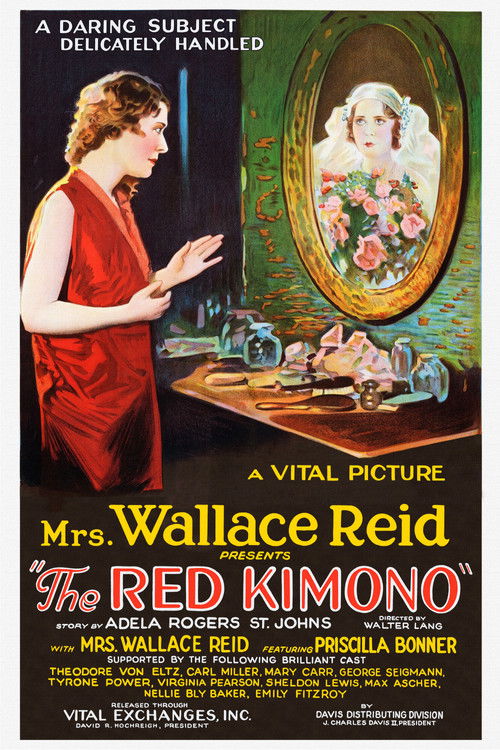
1925

1920

1918

1936
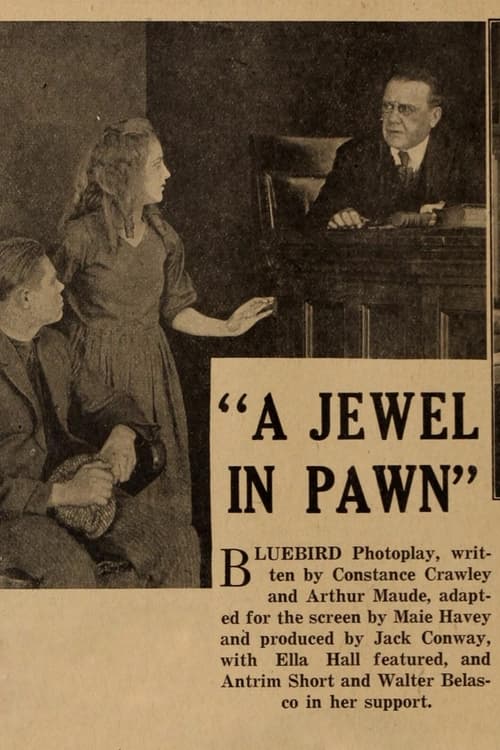
1917

1945
No reviews yet. Be the first to share your thoughts on this movie!
Use the rating form above to leave a star rating and optional review.