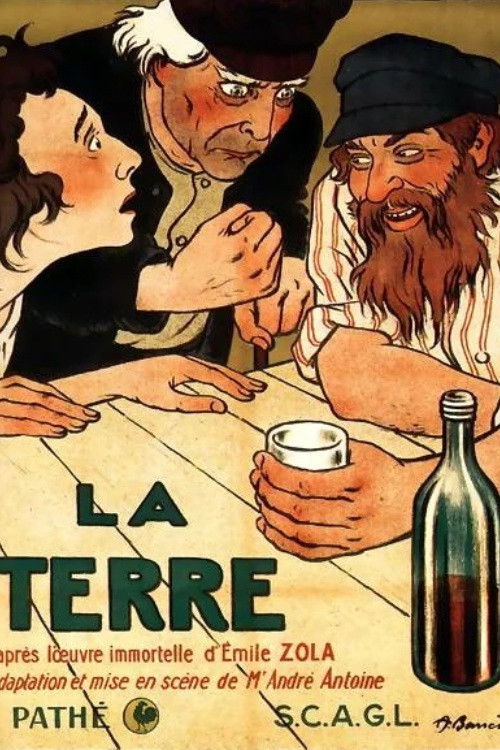
La Terre
1921
No user ratings available yet
Diversity score: 3.0 out of 10
1912
Director
Ashley Miller
Runtime
13 minutes
Average Rating
No ratings yetSynopsis
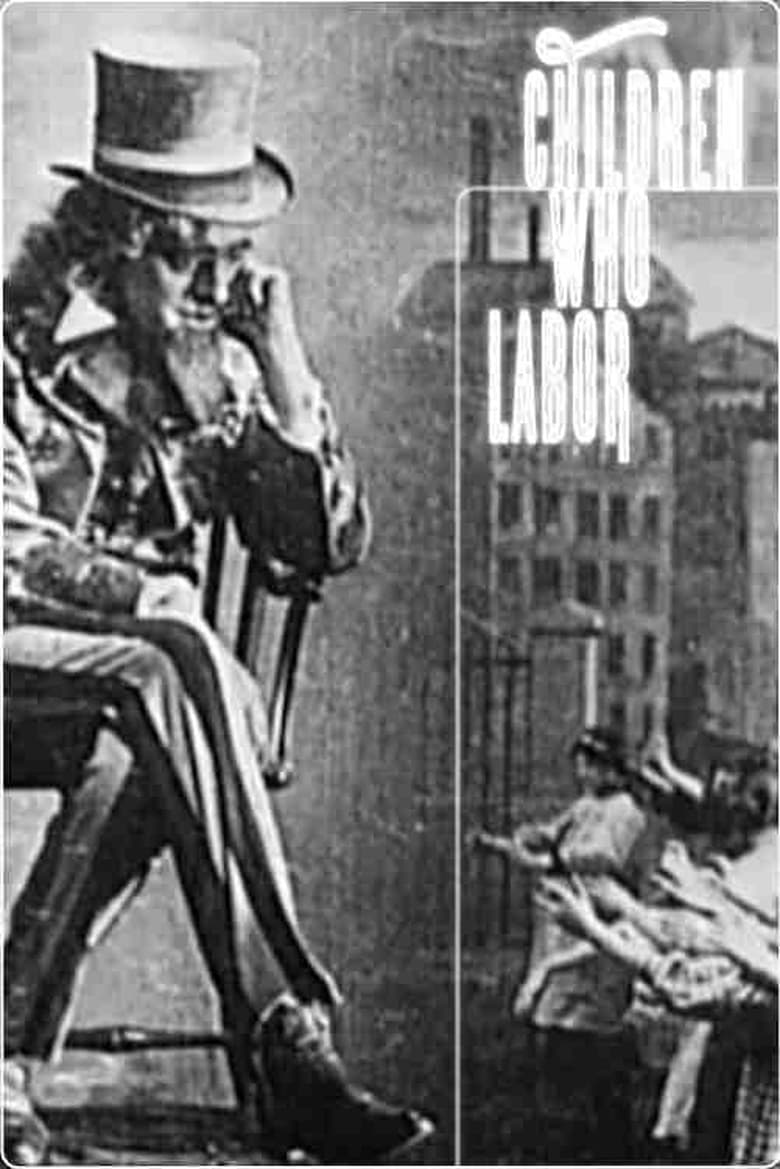
The father of a working class family is having trouble finding a job, because the local textile mill is hiring only inexpensive child labor. Reluctantly, he allows his oldest daughter to work in the mill. Meanwhile, in New York, the wealthy businessman Hanscomb is being urged to speak out against child labor, but he declines to do so. Then, while Mrs. Hanscomb and her daughter are traveling, the young girl accidentally wanders away, gets lost, and is taken in by the working class family. To help them, she takes a job in the mill. While this is taking place, Hanscomb has initiated a search for the daughter even as he goes about building up his financial empire.
Overall Score
Limited
Category Breakdown
LGBTQ+ Representation
The film lacks any evidence of LGBTQ+ characters or non-cisnormative identities. The story focuses strictly on nuclear family units and class-based conflicts.
Gender Representation
Female characters gain agency through economic necessity, such as the daughter entering the textile mill. However, patriarchal structures remain, with men occupying the primary roles of industrialist and provider.
Racial & Ethnic Diversity
The narrative focuses on the divide between the working class and the wealthy elite. There is no mention of racial or ethnic diversity within the cast or setting.
Religious & Cultural Diversity
The film offers a sharp critique of industrial capitalism and systemic exploitation. It challenges the myth of the benevolent industrialist by portraying Hanscomb as a figure prioritizing empire over social responsibility.
Disability Representation
There is no information available regarding the depiction of characters with physical or mental disabilities.
Strengths
Areas for Improvement
AI Analysis
Children Who Labor is a social realist drama that prioritizes class struggle over modern intersectional representation. It succeeds in its critique of systemic greed, positioning the wealthy elite as indifferent to the suffering of the working class. While the film lacks racial and LGBTQ+ diversity, it moves beyond simple domestic tropes by showing women participating in the industrial workforce. However, the narrative remains anchored in the traditional social hierarchies of the early 20th century. Ultimately, the film's progressive value lies in its institutional critique rather than its character diversity.
1921
1934
1916
1926
1930

2016

1914
1910
1912
1921
1958
1913
No reviews yet. Be the first to share your thoughts on this movie!
Use the rating form above to leave a star rating and optional review.