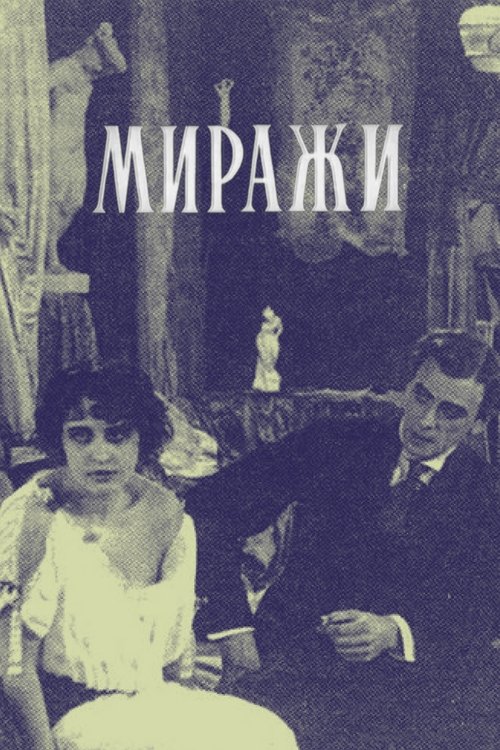
Mirages
1916
No user ratings available yet
Representation score: 2.5 out of 10

Representation Score
Limited
1915
Director
Yevgeni Bauer
Runtime
62 minutes
Average Rating
No ratings yetNew Showbiz Analysis
Children of the Age is a period drama that prioritizes the exploration of class-based power dynamics over contemporary characters who reflect more than one aspect of diversity. The film uses its protagonist's struggles to highlight the predatory nature of the socio-economic elite. While the film lacks LGBTQ+ or racial diversity, it successfully disrupts traditional domestic clichés. It moves beyond simplistic moralism to examine how systemic structures and bourgeois wealth exert pressure on individual autonomy. Ultimately, the film serves as a critique of social institutions, portraying marriage and class standing as sites of entrapment rather than stability.
Category Breakdown
The story focuses on traditional romantic and predatory dynamics. There is no indication of LGBTQ+ identities or same-sex relationships.
Maria's journey from a devoted wife to a victim of societal hierarchies highlights the limitations of women's independence. The film critiques how wealth and social structures limit female autonomy, even as Maria's downfall mirrors traditional cautionary tales.
The film likely centers on a homogeneous ethnic group typical of early 20th century Russia. There is no evidence of a multi-ethnic cast or diverse demographic representation.
The story provides a sophisticated critique of Western-style capitalism and class structures. It portrays the idle class and consumerism as catalysts for moral decay and systemic corruption.
The provided context contains no information regarding the portrayal of physical or neurodivergent disabilities.
Present on Screen
Limited or Absent
Official Synopsis
The picture tells the story of Maria, a devoted wife of a bank employee. The couple has a cozy life; they have a baby but he is cared for by their maid so Maria can spend her time doing terrific things like going shopping. During one of these consumer afternoons, Maria meets by chance an old friend, Lidia, who will introduce her to exclusive idle class social circles. Soon Maria's beauty attracts the interest of Lebedev, a rich old libertine. From that point on Maria suffers continual sexual harassment which she resists for a time. In the end, however, she falls into his bourgeois claws.
1916
1920
1921

1929
1933

1933

1916

1923
No reviews yet. Be the first to share your thoughts on this movie!
Use the rating form above to leave a star rating and optional review.