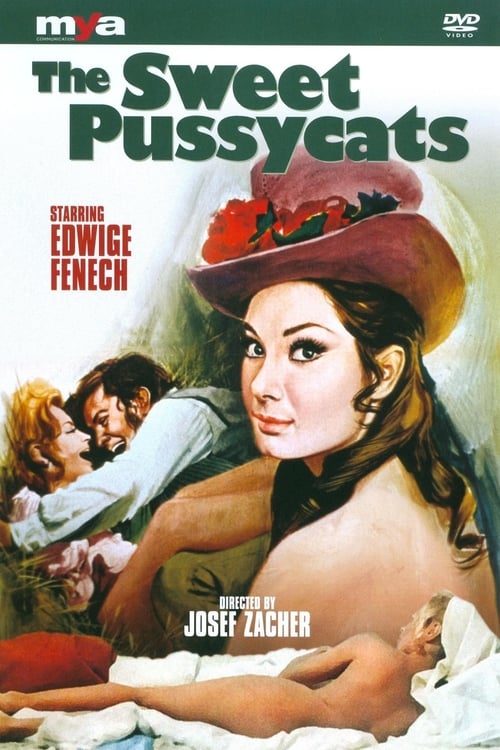
The Sweet Pussycats
1969
No user ratings available yet
Diversity score: 2.2 out of 10
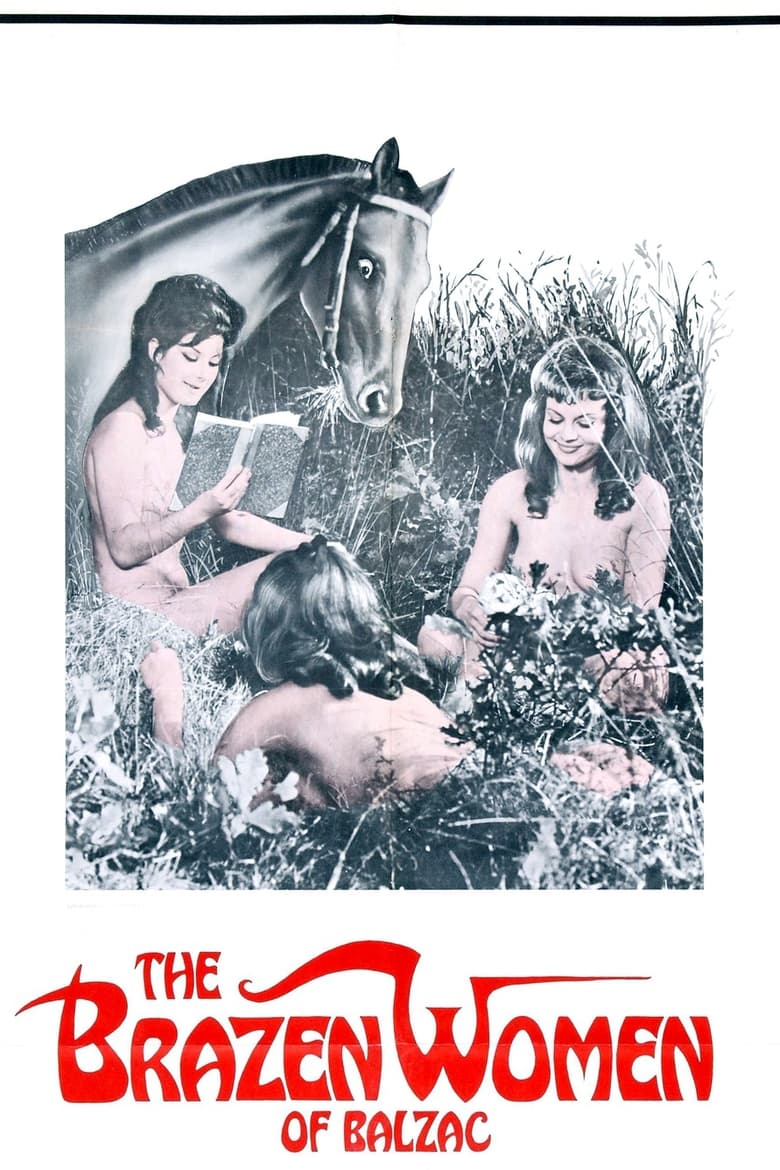
1969
Director
Jozef Zachar
Runtime
80 minutes
Average Rating
No ratings yetSynopsis
A Count and Countess, their lovelife losing luster, invite some people over ...
Overall Score
Limited
Category Breakdown
LGBTQ+ Representation
The film follows conventional erotic comedy structures of the late 1960s. There is no evidence of LGBTQ+ characters or narratives that challenge heteronormativity.
Gender Representation
A prominent female ensemble provides significant screen time. However, the film relies on standard period tropes and lacks evidence of subverting traditional hierarchies.
Racial & Ethnic Diversity
The cast appears ethnically homogeneous, reflecting the specific European cinematic tradition of the era. There is no evidence of diverse or non-Anglo-Saxon majority casting.
Religious & Cultural Diversity
The story operates within a traditional European aristocratic framework. While it may reject strict religious morality, it does not prioritize secular or anti-capitalist narratives.
Disability Representation
There is no evidence regarding the inclusion of characters with visible or invisible disabilities in the narrative.
Strengths
Areas for Improvement
AI Analysis
The Brazen Women of Balzac is a period-specific erotic comedy that adheres strictly to the demographic and narrative norms of 1969 European cinema. It functions as a traditionalist genre piece rather than a work designed to disrupt social hierarchies. The film lacks intersectional depth, focusing instead on the established social structures of the aristocracy. While the female ensemble is prominent, the work remains rooted in the era's standard tropes of desire and class. Ultimately, the production offers little in the way of diverse representation, presenting a homogeneous view of European society through a narrow, genre-driven lens.
1969
1973
1981

1962
1960

1969

1981

1959
1936
2005

1967
1960
No reviews yet. Be the first to share your thoughts on this movie!
Use the rating form above to leave a star rating and optional review.