Drei tolle Mädels
1943
No user ratings available yet
Representation score: 0.8 out of 10
Representation Score
Minimal
1941
Director
Hubert Marischka
Runtime
100 minutes
Average Rating
No ratings yetNew Showbiz Analysis
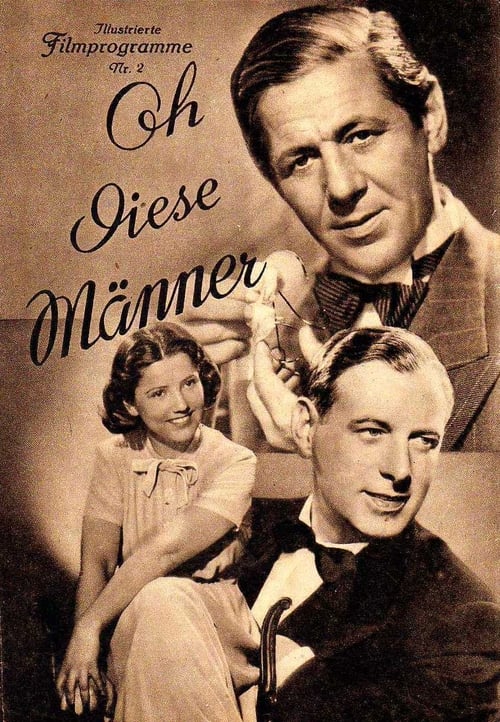
Oh, diese Männer is a product of its time, functioning as a traditional musical comedy that reinforces the social and cultural norms of the early 1940s. It prioritizes conventional romantic narratives and lighthearted entertainment over any meaningful challenge to the status quo. The film lacks diversity, reflecting the homogeneous casting and social norms of 1941 Central Europe. It relies on established genre clichés that uphold traditional gender roles and Western-centric cultural values. Ultimately, the work maintains the status quo through non-confrontational storytelling.
Category Breakdown
The film follows traditional romantic structures typical of 1941 European musical comedies. There is no depiction of non-binary gender identities or same-sex relationships.
Female characters contribute to the humor through their wit, but they primarily adhere to traditional gender roles and courtship rituals.
The cast is predominantly made up of Western/European actors, without any characters who reflect more than one aspect of diversity of diverse racial backgrounds.
The story operates within traditional European values and social norms, emphasizing romantic morality and social hierarchy.
There is no indication of the portrayal of physical or neurodivergent disabilities in this film.
Present on Screen
Limited or Absent
Official Synopsis
Eberhard gets into a brawl with Dr. Spindler not knowing that he just slapped his boss. To avoid the embarrassment Eberhard asks his friend Frank to substitute for him in the meeting with Dr. Spindler. Which accelerates the ensuing chaos.
1943
1991
1947
1938
1941

1941
1961
1964
No reviews yet. Be the first to share your thoughts on this movie!
Use the rating form above to leave a star rating and optional review.