The Eroticist
1972
No user ratings available yet
Diversity score: 2.8 out of 10
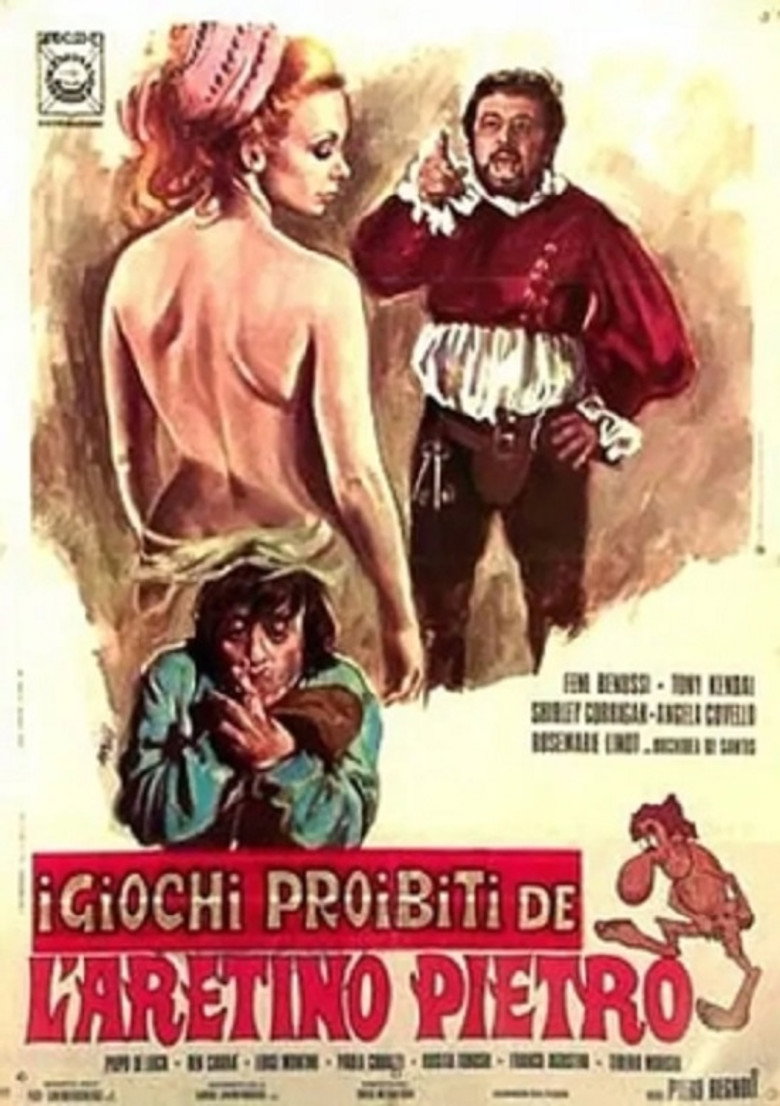
1973
Director
Piero Regnoli
Runtime
84 minutes
Average Rating
No ratings yetSynopsis
Four women of Gubbio – Angelica, Violetta, Lisa and Bettina – are conducted before the court by their lovers and husbands.
Overall Score
Limited
Category Breakdown
LGBTQ+ Representation
The film operates within a framework of traditional eroticism. It lacks evidence of non-cisnormative gender identities or narratives that critique heteronormativity.
Gender Representation
Female protagonists provide a baseline of visibility, yet they are frequently brought before court by husbands and lovers. This creates a tension between female presence and patriarchal social structures.
Racial & Ethnic Diversity
Set in historical Gubbio, the film reflects the demographic homogeneity of 1970s Italian productions. There is no evidence of non-white casting or diverse ethnic representation.
Religious & Cultural Diversity
The film disrupts singular Christian morality by prioritizing individual sexual impulse over religious dogma. However, it lacks broader systemic critiques of Western institutions.
Disability Representation
There is no documented evidence of characters with visible or invisible disabilities. The film does not engage with neurodivergence or physical impairment.
Strengths
Areas for Improvement
AI Analysis
Tales of Erotica is a period-specific genre piece that prioritizes erotic aesthetics over progressive social architecture. While it centers on female characters, the narrative often reinforces traditional power dynamics rather than subverting them. The film functions within the demographic and social constraints of 1970s Italy. It presents a culturally monolithic environment that lacks racial diversity or queer narratives, focusing instead on conventional sexual tropes. Ultimately, the work serves as a collection of vignettes centered on eroticism. It lacks the intentionality required to disrupt systemic hierarchies or address disability and intersectional identities.
1972
1969

1976

1971
1972
1981
1969
1971

1981
1972
1988
1977
No reviews yet. Be the first to share your thoughts on this movie!
Use the rating form above to leave a star rating and optional review.