The Merry Jail
1917
No user ratings available yet
Representation score: 1.8 out of 10
Representation Score
Minimal
1928
Director
E. Mason Hopper, F. McGrew Willis
Runtime
54 minutes
Average Rating
No ratings yetNew Showbiz Analysis
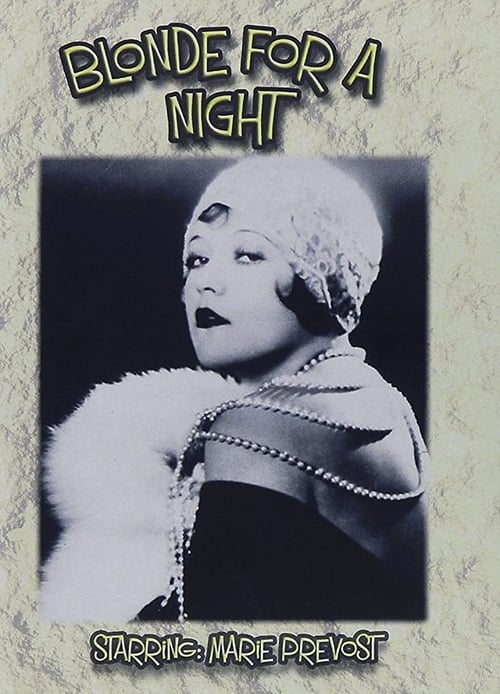
A Blonde for a Night is a typical example of late silent era cinema, focusing on a conventional comedy about marital fidelity. It upholds the traditional gender roles and domestic structures of 1920s cinema rather than challenging them. The film depends on well-worn clichés, such as a wife using deception to navigate marital dynamics within a patriarchal system. While the protagonist asserts some control over the situation, the central conflict remains tied to traditional gendered anxieties. Overall, the production lacks nuanced representation. It adheres to the homogeneous casting and social norms of its time, offering limited diversity or systemic critique.
Category Breakdown
The film does not include any LGBTQ+ narratives or non-straight identities. The plot revolves around a marital dispute within a traditional framework.
The female protagonist takes initiative by disguising herself to test her husband's fidelity. However, the story remains entrenched in the conventional gender roles and domestic concerns of the 1920s.
The film reflects the era's predominantly white demographic makeup. There are no non-white characters or diverse casting in this silent comedy.
The narrative centers on preserving the nuclear family and traditional social norms. It does not offer any significant cultural or institutional critique.
There are no characters with visible or invisible disabilities featured in this production.
Present on Screen
Limited or Absent
Official Synopsis
After an argument, a newlywed decides to test her husband's fidelity by disguising herself as a blonde.
1917
1926
1926
1938
1918

1933
1927
1928
No reviews yet. Be the first to share your thoughts on this movie!
Use the rating form above to leave a star rating and optional review.