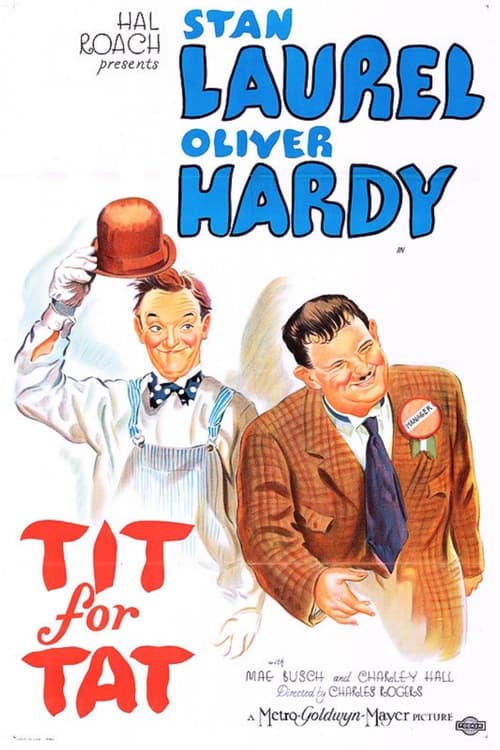
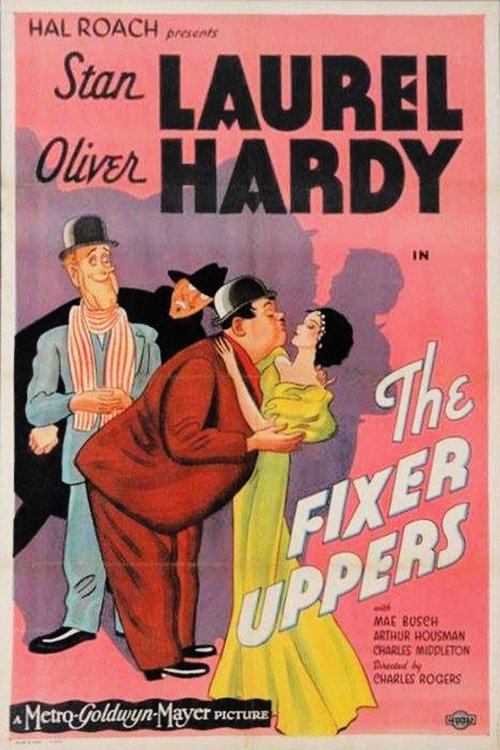
Tit for Tat
1935
No user ratings available yet
Representation score: 1.1 out of 10
Representation Score
Minimal
1935
NRDirector
Charley Rogers
Runtime
21 minutes
Average Rating
No ratings yetNew Showbiz Analysis
The film is a product of its time, prioritizing slapstick comedy and situational irony over social complexity. The narrative structure centers on a domestic intervention that maintains established social hierarchies. Representation is minimal, relying on conventional archetypes and traditional gender roles. Ultimately, the work functions as a period piece that reinforces rather than disrupts the social norms of 1935.
Category Breakdown
The film operates within a framework that assumes everyone is straight or cisgender. There are no representations of LGBTQ+ identities or diverse gender expressions.
A female character drives the plot, but her role is limited to expressing dissatisfaction with her marriage. her ability to act is constrained by traditional gender roles and emotional cues.
The film reflects the homogeneous casting standards of 1930s Hollywood, featuring predominantly white actors and adhering to a Western-centric representation typical of the era.
The story reinforces traditional Western social institutions and etiquette. It lacks any critique of religious or cultural systems, focusing instead on domestic social decorum.
There is no mention of characters with visible or invisible disabilities. The narrative does not address neurodivergence or physical disability.
Present on Screen
Limited or Absent
Official Synopsis
Stan and Ollie are greeting card salesmen who agree to help a woman put a spark in her loveless marriage by making her husband jealous.
1935
1926
1935

1933
1935
1929
1945
1937
No reviews yet. Be the first to share your thoughts on this movie!
Use the rating form above to leave a star rating and optional review.