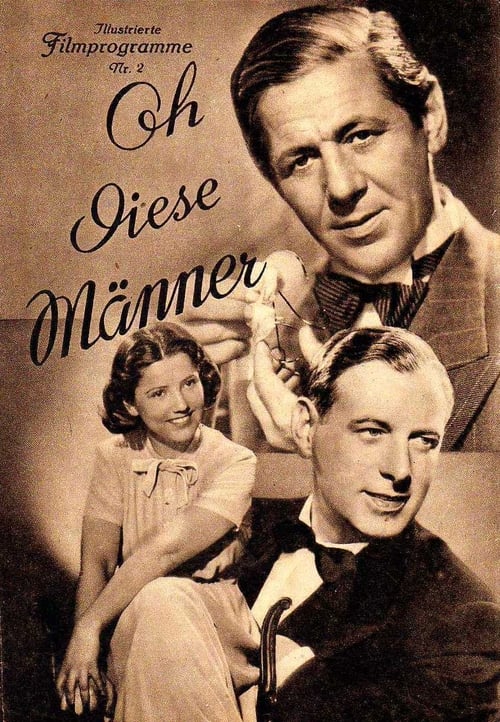
Oh, These Men
1941
No user ratings available yet
Representation score: 1.4 out of 10
Representation Score
Minimal
1943
Director
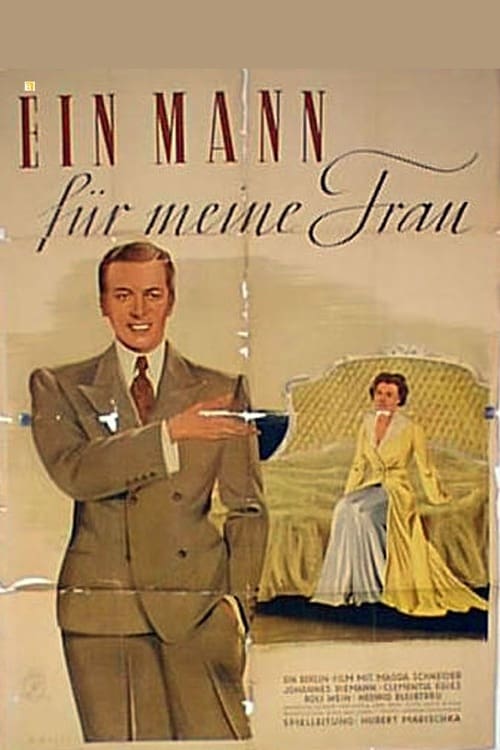
Hubert Marischka
Runtime
94 minutes
Average Rating
No ratings yetNew Showbiz Analysis
Ein Mann für meine Frau is a period-specific social comedy that prioritizes entertainment over social critique. While the plot challenges the sanctity of a lifelong marriage, it does so using established comedic formulas rather than systemic deconstruction. The narrative architecture centers on bourgeois social rituals and traditional romantic replacements, adhering to the entertainment standards of 1943. Ultimately, the film remains within the confines of its era's social hierarchies, offering limited exploration of diverse cultural perspectives.
Category Breakdown
The film focuses solely on heterosexual relationships and does not include any characters with non-straight or non-cisgender identities.
Dagmar plays a significant role in driving the story by setting the terms for her husband's replacement. However, the power dynamics in the story are still tied to traditional gender roles and comedic clichés.
The cast appears to be ethnically homogeneous, and there is no indication of racial diversity or varied ethnic perspectives.
The story upholds traditional Western social structures and portrays leisure activities typical of the upper class. It operates within the bounds of contemporary cultural norms, functioning as a social comedy.
The film does not feature any characters with physical or neurodivergent disabilities.
Present on Screen
Limited or Absent
Official Synopsis
Robert and Dagmar have been married for seven years. And as we know, this is not just a lucky number in marriage. So even at the couple. Deflation with them and Robert also has very quickly found a new love - the young Manon . But instead of that Dagmar responded irritably, it represents only one condition: Robert to get her a new man. The search for his own successor is not so easy and way oppressed Him more Manon, who is afraid that he might return to his wife. But then Dagmar makes the proposal to go alone with Manon in a spa town and go there to look.
1941

1952
1943
1938
1943

1940
1937
1939
No reviews yet. Be the first to share your thoughts on this movie!
Use the rating form above to leave a star rating and optional review.