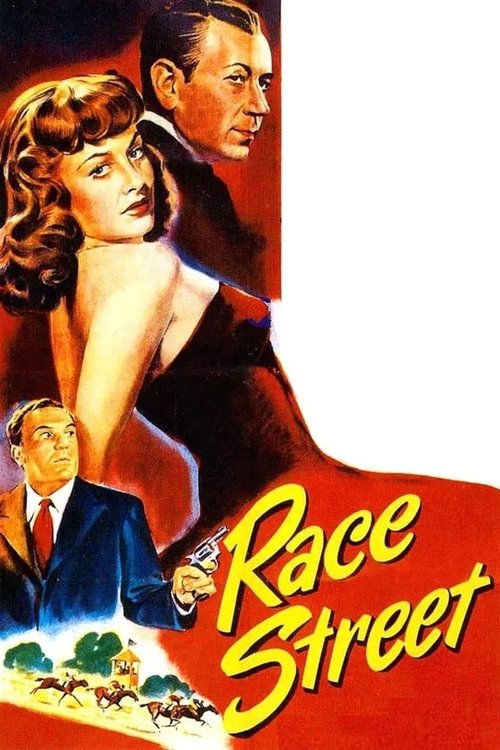
Race Street
1948
No user ratings available yet
Representation score: 1.2 out of 10
Representation Score
Minimal
1945
NRDirector
Edwin L. Marin
Runtime
79 minutes
Average Rating
No ratings yetNew Showbiz Analysis
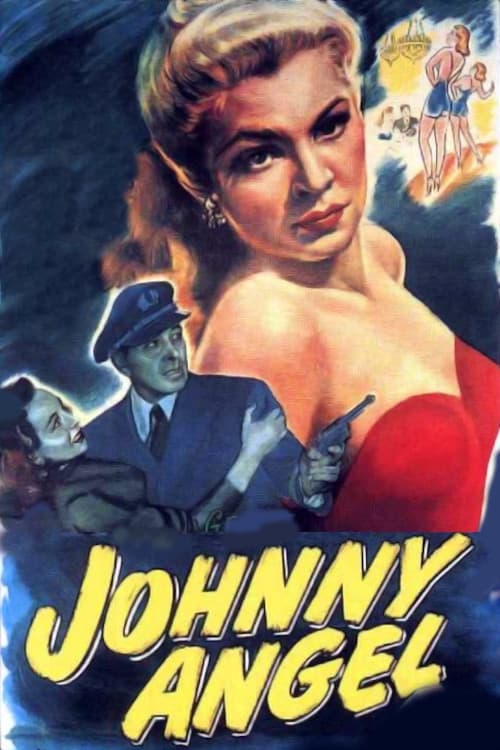
Johnny Angel is a classic mid-century crime noir that adheres to the social hierarchies of the 1940s. The film centers on traditional masculine roles and individual pursuits, reinforcing the cultural norms of its time. The story structure supports conventional crime drama clichés, presenting a uniform view of the city through a largely homogeneous cast. The film does not challenge existing power structures or broaden its demographic range, staying true to conservative cinematic traditions.
Category Breakdown
The film does not include any representation of non-binary gender identities or same-sex relationships. The story follows traditional heterosexual relationships.
The film upholds a traditional gender hierarchy where the male lead makes key decisions, while female characters mainly serve as romantic or domestic figures.
The cast reflects the homogeneous society of 1940s crime dramas. There is no significant representation of non-white or non-Anglo-Saxon characters.
The story aligns with mid-century Western values and traditional morality. It supports established social and legal norms without questioning systemic issues.
The film does not feature any characters with physical or neurodivergent disabilities. Disability is not used as a narrative tool or for character development.
Present on Screen
Limited or Absent
Official Synopsis
George Raft plays a sailor who sets out to solve his father's mysterious death.
1948
1947
1946
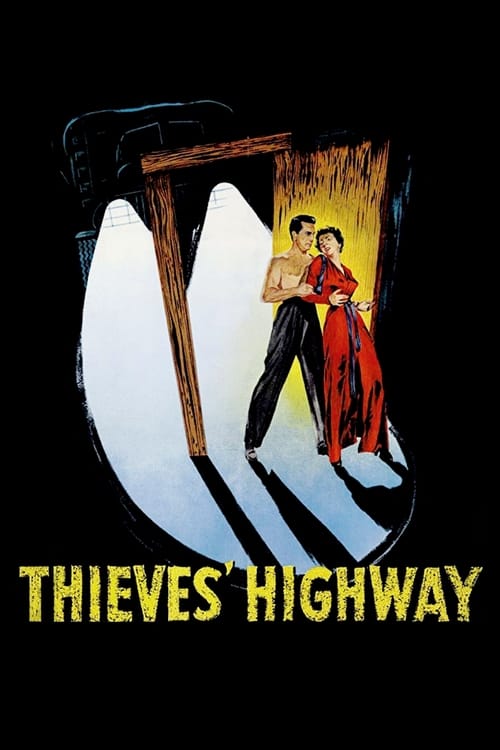
1949
1949
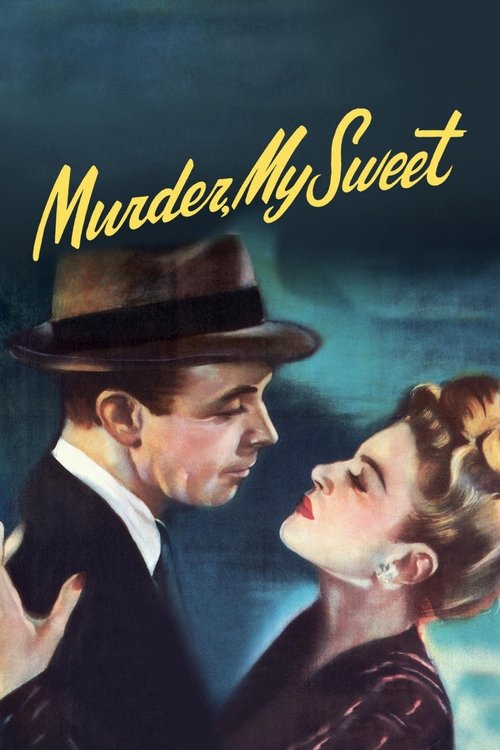
1944
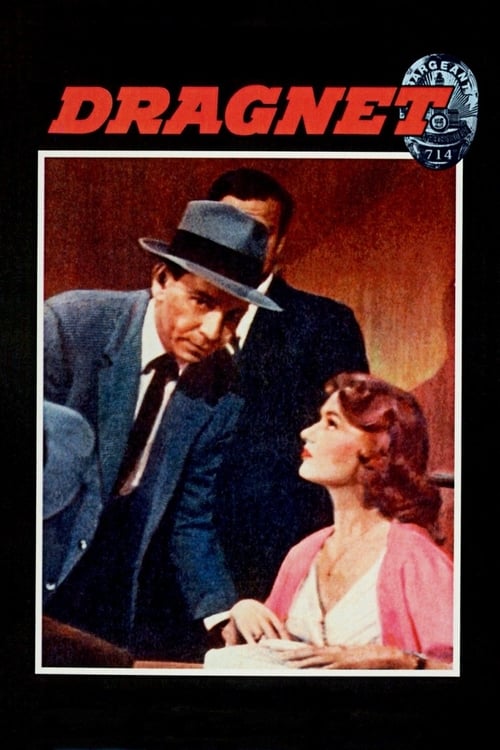
1954
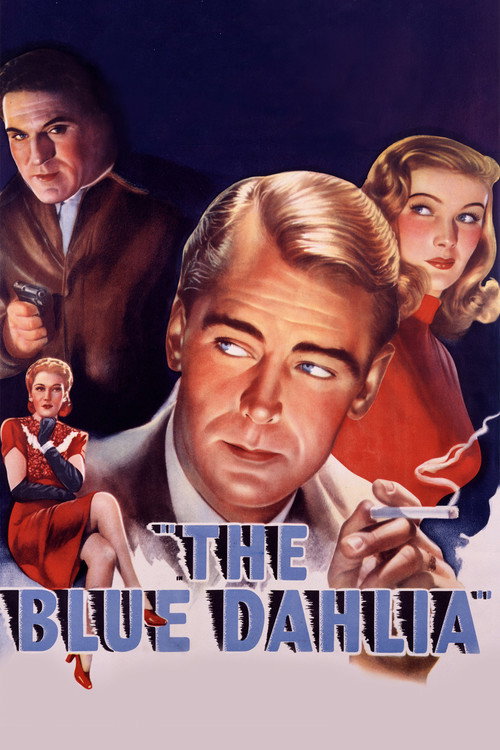
1946
No reviews yet. Be the first to share your thoughts on this movie!
Use the rating form above to leave a star rating and optional review.