Johnny Angel
1945
No user ratings available yet
Representation score: 0.8 out of 10
Representation Score
Minimal
1948
ApprovedDirector
Edwin L. Marin
Runtime
79 minutes
Average Rating
No ratings yetNew Showbiz Analysis
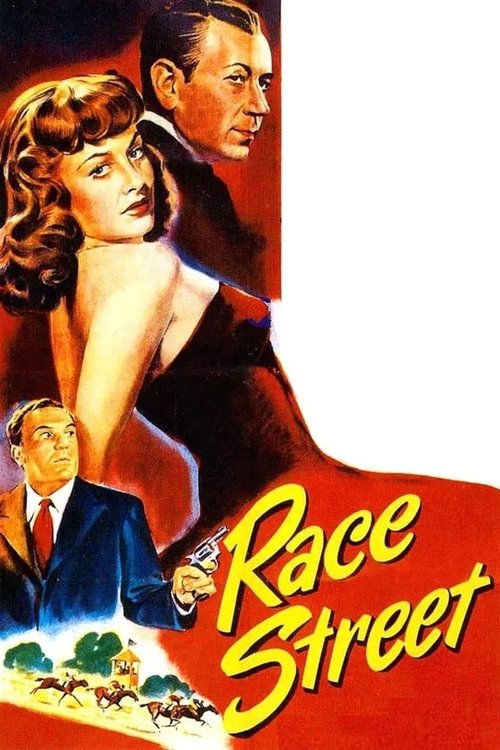
Race Street is a quintessential product of the 1948 studio era, prioritizing conventional morality and established genre structures. The film functions as a traditional crime drama that reinforces existing social hierarchies rather than challenging them. The narrative is heavily male-centric, focusing on a nightclub owner's quest for vengeance. This structure limits the roles of female characters and ignores the presence of diverse identities. Ultimately, the film adheres to the cinematic constraints of its time, offering a narrow view of identity that reflects the era's reliance on homogeneous casting and rigid social norms.
Category Breakdown
The film does not include any characters with non-binary gender identities or LGBTQ+ representation. Given the strict censorship rules of 1948, there are no indications of queer narratives.
The story focuses on a male protagonist seeking revenge. Female characters are likely secondary figures, such as love interests or victims, rather than having independent roles.
The production follows the homogeneous casting standards of the 1940s. Characters of color are likely confined to peripheral or stereotypical roles within this traditional studio framework.
The narrative emphasizes traditional Western values of individual retribution and moral clarity. It upholds the era's focus on law, order, and personal honor through a standard vigilante framework.
There is no evidence of characters with disabilities being portrayed with significant roles. Disability is not a central character trait and lacks meaningful representation in this crime drama.
Present on Screen
Limited or Absent
Official Synopsis
A night club owner takes on the crooks who killed his best friend.
1945
1949
1951
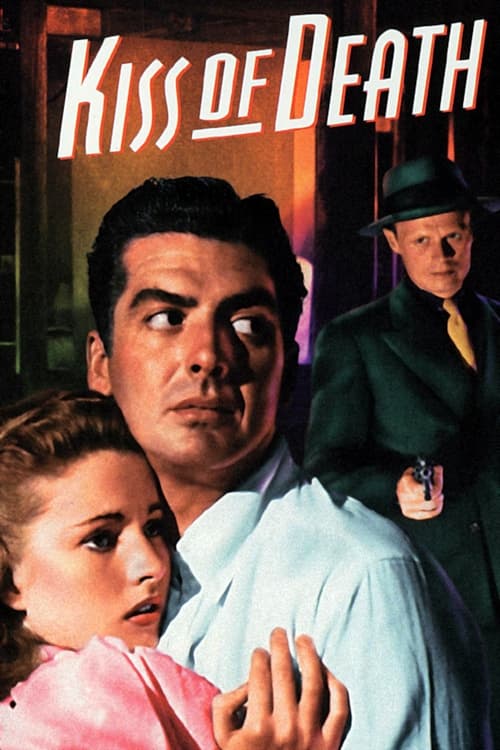
1947
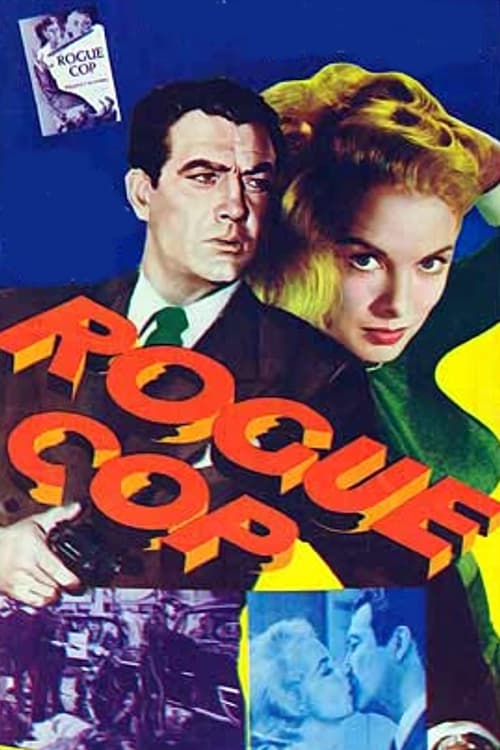
1954
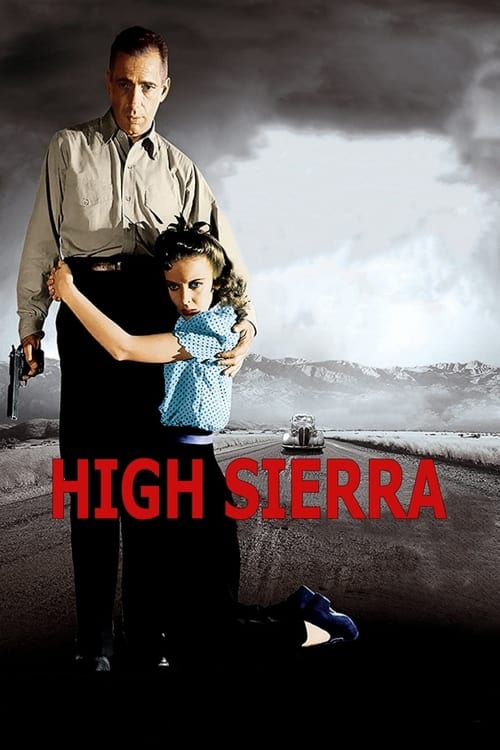
1941
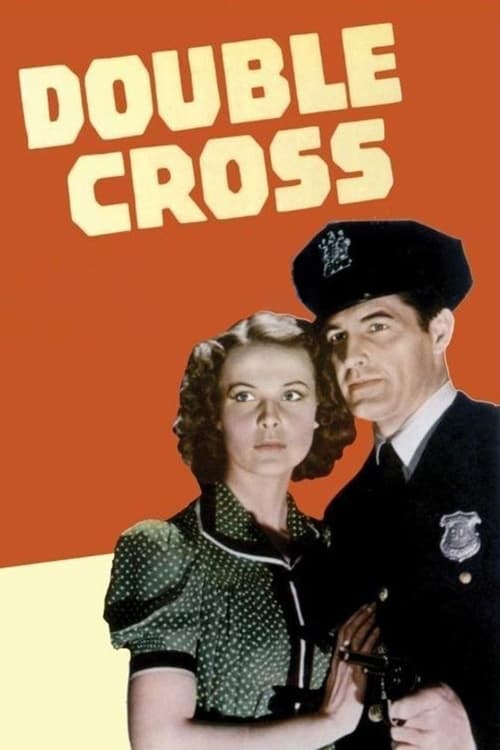
1941
1949
No reviews yet. Be the first to share your thoughts on this movie!
Use the rating form above to leave a star rating and optional review.