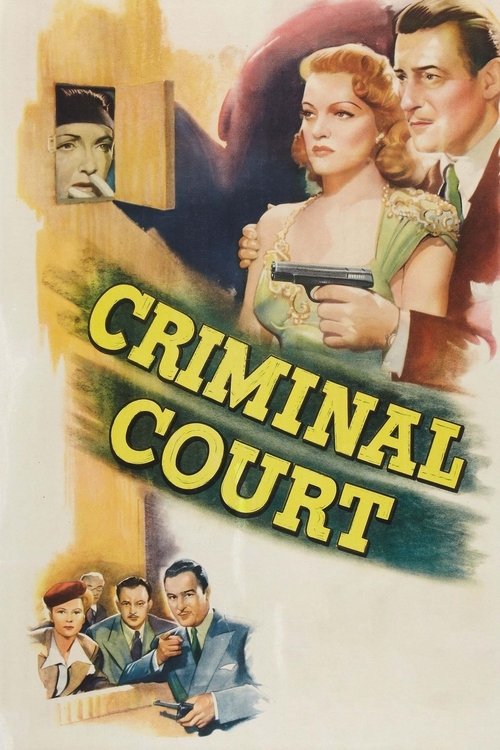
Criminal Court
1946
No user ratings available yet
Diversity score: 2.2 out of 10
1946
PassedDirector
Otto Brower
Runtime
64 minutes
Average Rating
No ratings yetSynopsis
An unscrupulous private investigator with a penchant for blackmail is found dead in a car and the leading suspect is Janet Bradley, the daughter of a mayoral candidate. With the election just weeks away, shady and ruthless individuals muscle the medical officer into switching the corpse with another body. Lieutenant Sam Carson, one of the few good apples in the bunch must find a way to get to the bottom of it all.
Overall Score
Limited
Category Breakdown
LGBTQ+ Representation
The film lacks any depiction of non-heteronormative identities or same-sex intimacy. The narrative focuses entirely on a criminal investigation and political scandal.
Gender Representation
Janet Bradley serves as a central figure and primary suspect. However, her role is defined by her relationship to a political candidate, adhering to traditional gendered tropes.
Racial & Ethnic Diversity
The story shows no indication of a diverse cast or non-white characters with agency. It appears to reflect the homogeneous social structures typical of 1940s crime cinema.
Religious & Cultural Diversity
The plot explores institutional corruption within political power. While it challenges the idea of incorruptible institutions, it relies on traditional law-and-order archetypes.
Disability Representation
There is no mention of characters navigating physical, sensory, or neurodivergent experiences. The plot summary does not include any disability-related narratives.
Strengths
Areas for Improvement
AI Analysis
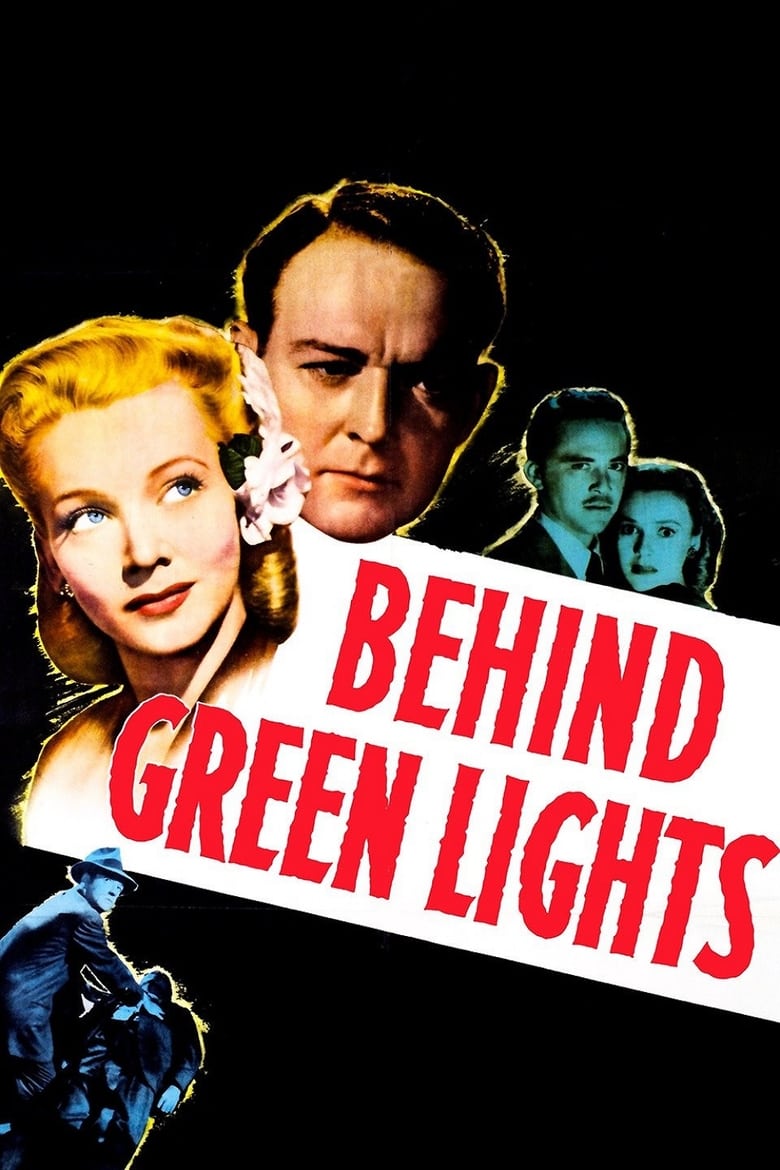
Behind Green Lights is a standard mid-century crime drama that prioritizes noir genre conventions over social subversion. The narrative centers on a corruption arc involving a mayoral election and a forensic cover-up. The film follows a traditional moral framework, utilizing a 'good apple' protagonist to navigate a world of shady individuals. This structure reinforces established social hierarchies rather than deconstructing them. Overall, the film lacks meaningful representation of marginalized identities, functioning instead as a procedural tension-builder typical of its era.
1946
1948
1946
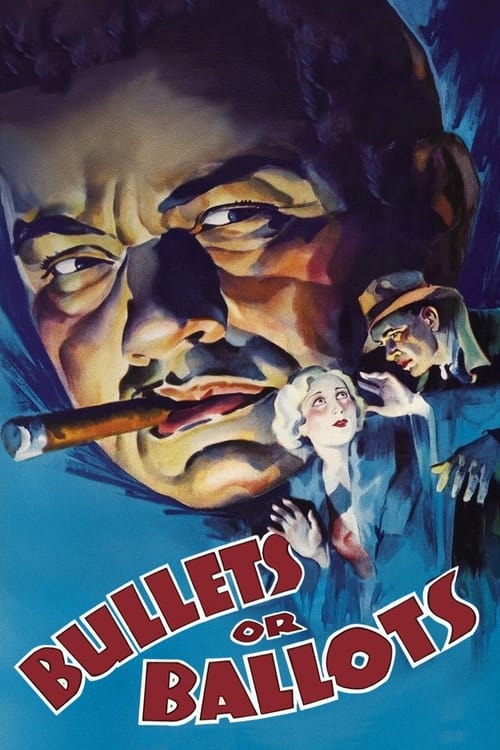
1936
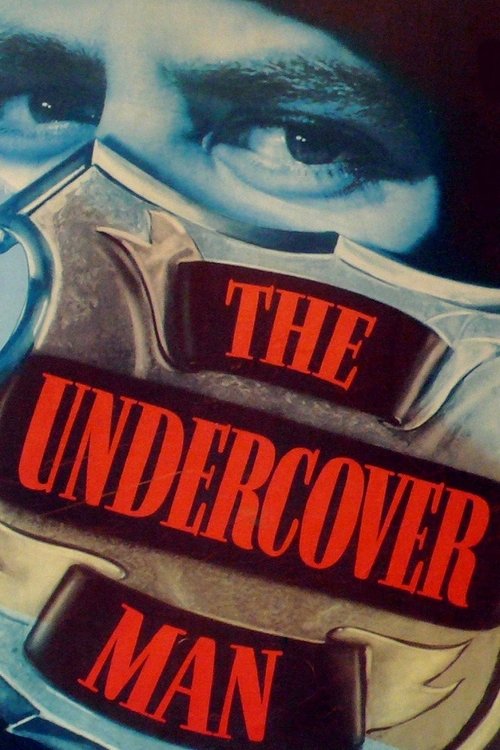
1949
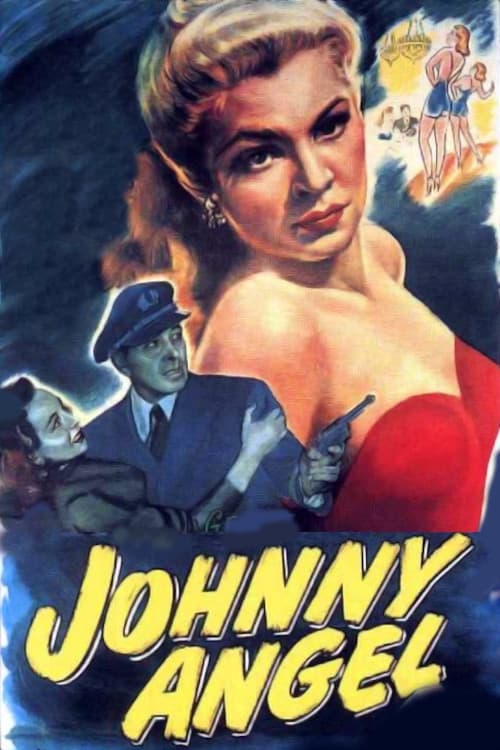
1945
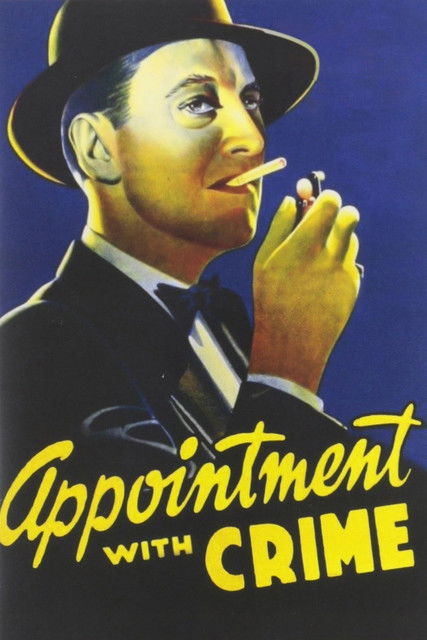
1946
1953
1946
1949
1952
1954
No reviews yet. Be the first to share your thoughts on this movie!
Use the rating form above to leave a star rating and optional review.