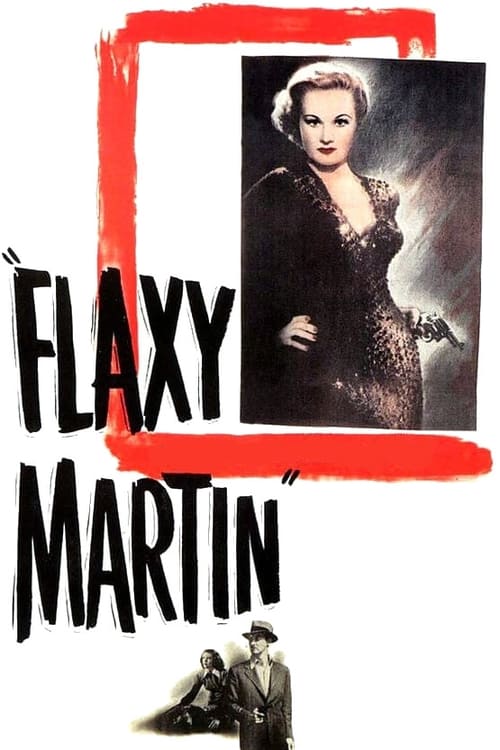
Flaxy Martin
1949
No user ratings available yet
Representation score: 1.4 out of 10
Representation Score
Minimal
1950
NRDirector
Robert Florey
Runtime
78 minutes
Average Rating
No ratings yetNew Showbiz Analysis
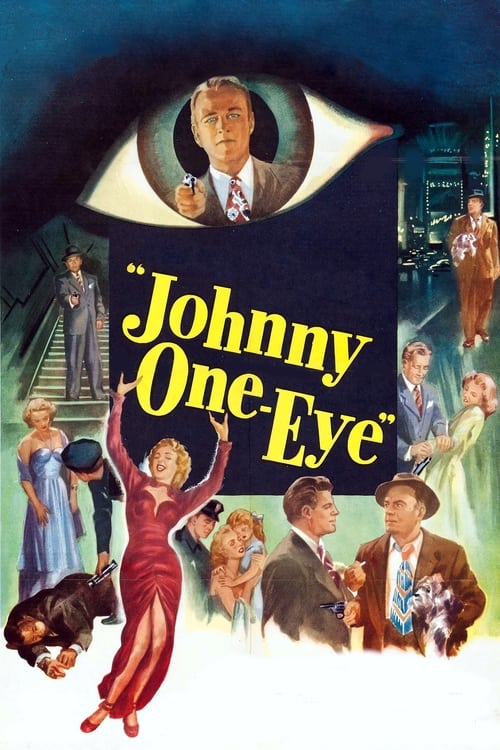
Johnny One-Eye reflects the traditional social hierarchies and narrative conventions of 1950s American cinema. The film focuses on crime and legal conflict within a non-diverse social framework. It lacks the intentionality needed to challenge conventional clichés or provide diverse representation. Instead, it upholds mid-century institutional authority and traditional gender norms.
Category Breakdown
The film follows the social structures of the 1950s and does not include non-traditional gender identities or same-sex relationships.
Gender roles follow traditional patterns of the time. The District Attorney's daughter influences the plot but is defined by her relationship to her father.
The film features a homogeneous cast typical of 1950s crime dramas. There are no characters of color with significant influence.
The narrative supports institutional authority through the District Attorney's character. It aligns with the legal and social norms of the mid-1950s.
There are no characters with visible or invisible disabilities that play significant roles in the story. Disability is not part of the film's themes.
Present on Screen
Limited or Absent
Official Synopsis
Johnny One-Eye was adapted from one of Damon Runyon's lesser-known stories. Martin Martin and Dane Cory were former partners in crime who have long since split up. When a new district attorney puts the heat on, Cory, anxious to save his own hide, accuses Martin of an unsolved murder. Holed up in abandoned house, Martin is befriended by a little girl and her dog. It so happens that the girl is the daughter of the crusading DA, and thereby hangs the rest of this tale.
1949
1950
1949
1949
1948
1958
1951
1941
No reviews yet. Be the first to share your thoughts on this movie!
Use the rating form above to leave a star rating and optional review.