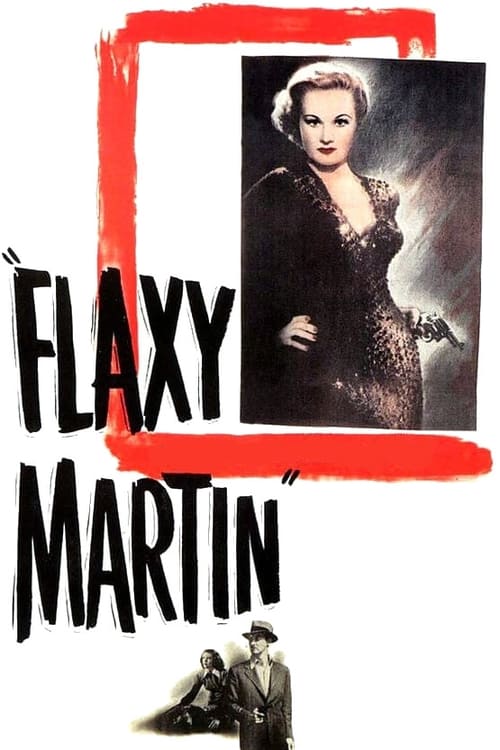
Flaxy Martin
1949
No user ratings available yet
Representation score: 1.4 out of 10

Representation Score
Minimal
1947
NRDirector
Robert Rossen
Runtime
95 minutes
Average Rating
No ratings yetNew Showbiz Analysis
Johnny O'Clock is a classic noir that emphasizes psychological realism and individual struggle over broader social commentary. It challenges the 'perfect citizen' archetype by presenting a protagonist with complex, anti-social inclinations. However, the film is limited by the era's social norms. It lacks depth in reflecting multiple aspects of identity, offering almost no racial diversity or LGBTQ+ representation, and remains centered on a white, straight framework. Ultimately, the film functions more as a character study of moral ambiguity than a diverse social commentary. Its progressive value lies in its refusal to frame the protagonist's lifestyle as purely villainous.
Category Breakdown
The film follows the conventions of 1940s studio cinema and does not include same-sex relationships or non-straight gender identities. The romantic tension is confined to the heterosexual leads.
The female lead plays a significant role in driving the story but primarily serves as a moral guide for the male protagonist. She avoids submissive stereotypes but remains a stabilizing influence.
The cast is predominantly white, reflecting the era's production norms. The story centers on a white urban socioeconomic class with no significant presence of characters of color or racial integration.
The film explores moral relativism and fatalism rather than binary good and evil. It deconstructs traditional civic morality through the protagonist's hedonism but avoids an explicit critique of Western institutions.
There is no representation of physical, sensory, or neurodivergent disabilities within the narrative. The characters do not reflect any form of disability.
Present on Screen
Limited or Absent
Official Synopsis
When an employee at an illegal gambling den dies suspiciously, her sister, Nancy, looks into the situation and falls for Johnny O'Clock, a suave partner in the underground casino. Selfish and non-committal by nature, Johnny slowly begins to return Nancy's affection and decides to run away with her, but conflict within his business threatens their plans. As Johnny tries to distance himself from the casino, his shady past comes back to haunt him.
1949
1949
1941
1949
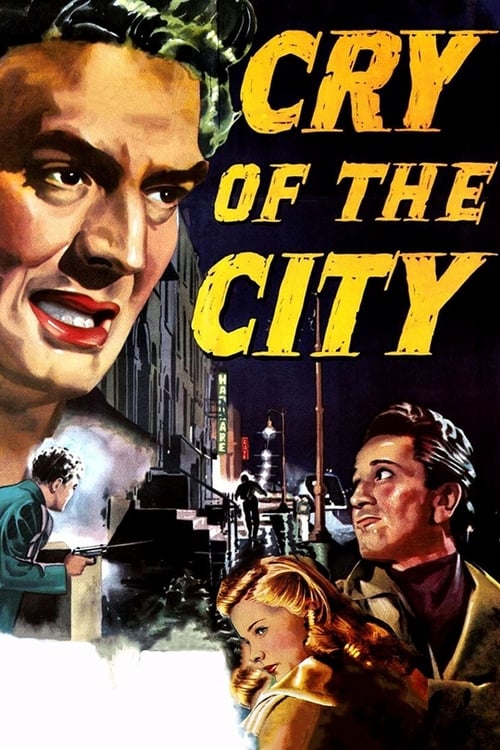
1948
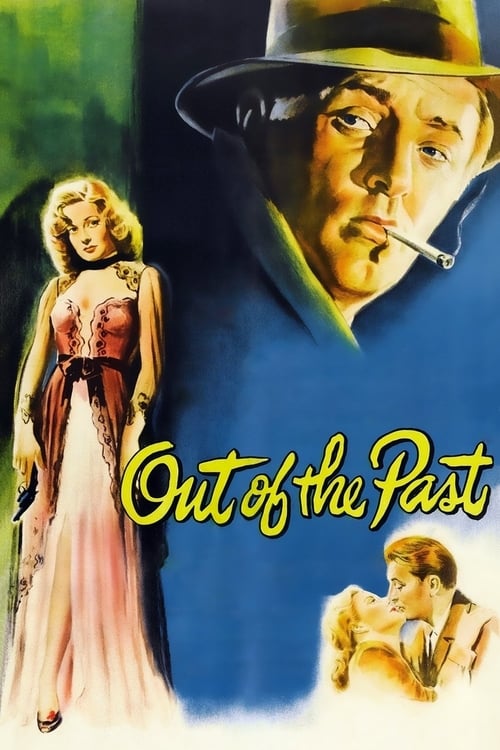
1947
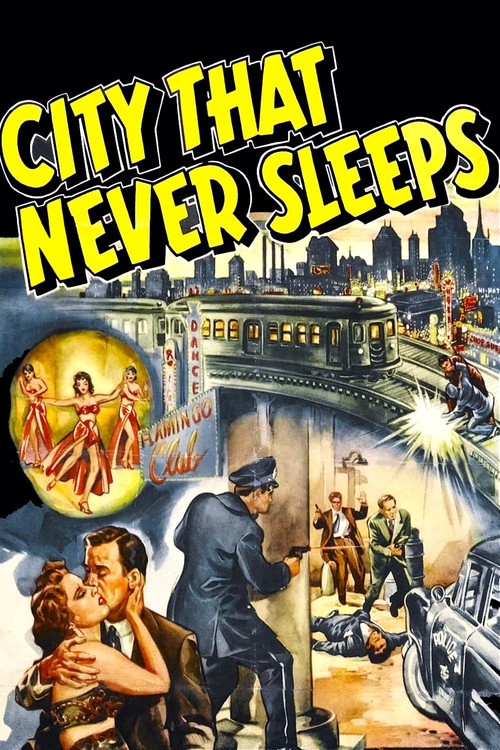
1953
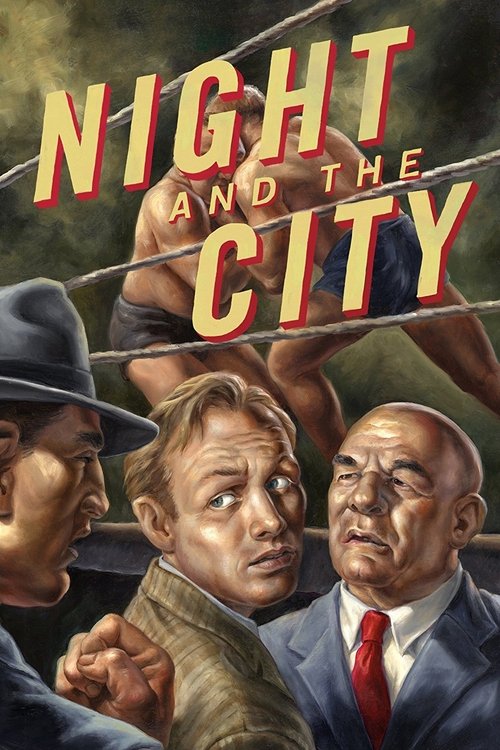
1950
No reviews yet. Be the first to share your thoughts on this movie!
Use the rating form above to leave a star rating and optional review.