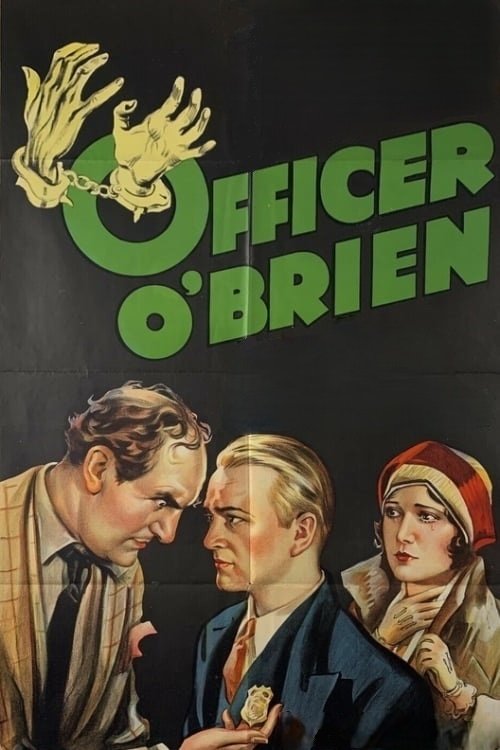
Officer O'Brien
1930
No user ratings available yet
Representation score: 0.4 out of 10
Representation Score
Minimal
1939
ApprovedDirector
Josef von Sternberg
Runtime
80 minutes
Average Rating
No ratings yetNew Showbiz Analysis
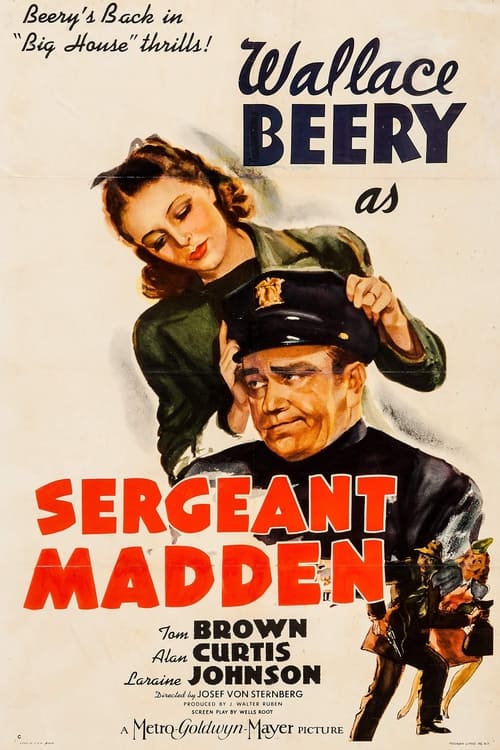
Sergeant Madden is a traditional crime drama that centers on the moral conflict between institutional duty and familial loyalty. The narrative structure follows a classic format common during the Golden Age, focusing on a father's struggle against his son's criminality. The film serves as a period piece reflecting the social hierarchies of the late 1930s. It minimally disrupts the era's standard socio-cultural norms, favoring conventional themes of law and order. Overall, the production operates within a patriarchal and homogeneous framework. It highlights masculine responsibility and traditional social structures without exploring diverse identities or challenging systemic social norms.
Category Breakdown
The film follows the heterosexual and cisgender norms typical of 1939 cinema. It does not include any non-cisgender identities or critiques of traditional social structures.
The story revolves around a patriarchal framework featuring a male protagonist and his son. Authority and conflict are viewed through a masculine lens of professional and paternal duties.
The narrative likely mirrors the homogeneous casting practices of the late 1930s. There is no indication of a diverse cast or non-Anglo-Saxon characters influencing the plot.
The film upholds traditional moral hierarchies and institutional values. It emphasizes the sanctity of the law and civic responsibility.
There is no mention of characters dealing with physical or neurodivergent conditions. Disability is not used as a narrative device.
Present on Screen
Limited or Absent
Official Synopsis
A dedicated police officer is torn between family and duty when his son turns to a life of crime.
1930
1921
1935
1949

1948

1941

1947
1937
No reviews yet. Be the first to share your thoughts on this movie!
Use the rating form above to leave a star rating and optional review.