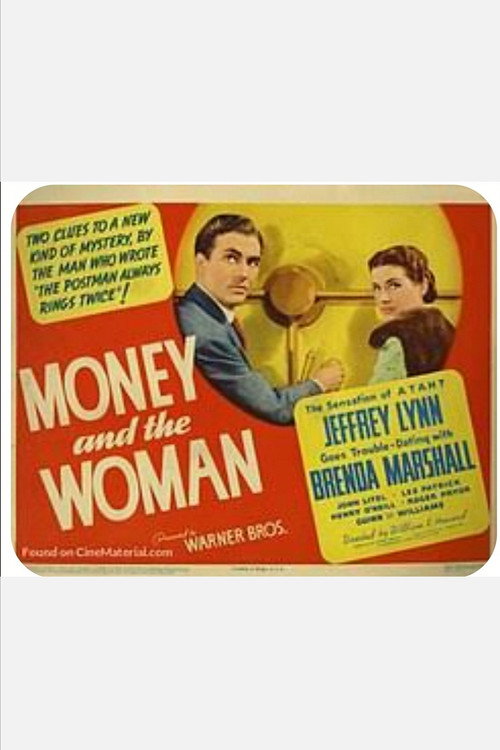
Money and the Woman
1940
No user ratings available yet
Representation score: 1.4 out of 10

Representation Score
Minimal
1941
ApprovedDirector
Mervyn LeRoy
Runtime
107 minutes
Average Rating
No ratings yetNew Showbiz Analysis
Johnny Eager is a classic example of a crime melodrama from the Golden Age of Hollywood. Its narrative structure is rooted in traditional hierarchies of gender, race, and morality. The film does not aim to challenge or dismantle existing social norms. Instead, it offers a straightforward, conventional depiction of urban crime and romantic redemption, reflecting the limited multi-layered scope of 1941 studio productions.
Category Breakdown
The film does not include any LGBTQ+ characters or explore non-straight relationships. The romantic subplot focuses solely on a traditional heterosexual relationship between the main character and the District Attorney's stepdaughter.
Female characters are confined to traditional gender roles typical of the 1940s. The lead character, Eve, serves mainly as a moral guide and positive influence for the male protagonist, rather than a disruptor of the existing patriarchal structure.
The film reflects the homogeneous society of its time. The cast is predominantly white, centered around a socioeconomic struggle within an urban environment dominated by Anglo-Saxon culture.
The storyline upholds mid-20th century values and emphasizes the importance of law and social order. Crime and justice serve as the driving forces of a conventional melodrama without questioning Western institutions.
No visible or hidden disabilities are shown among the main characters. Characters are defined by their social status and involvement in criminal activities, rather than by physical or neurodivergent traits.
Present on Screen
Limited or Absent
Official Synopsis
A charming racketeer seduces the DA's stepdaughter for revenge, then falls in love.
1940

1945

1941

1943

1941

1945
1946

1949
No reviews yet. Be the first to share your thoughts on this movie!
Use the rating form above to leave a star rating and optional review.