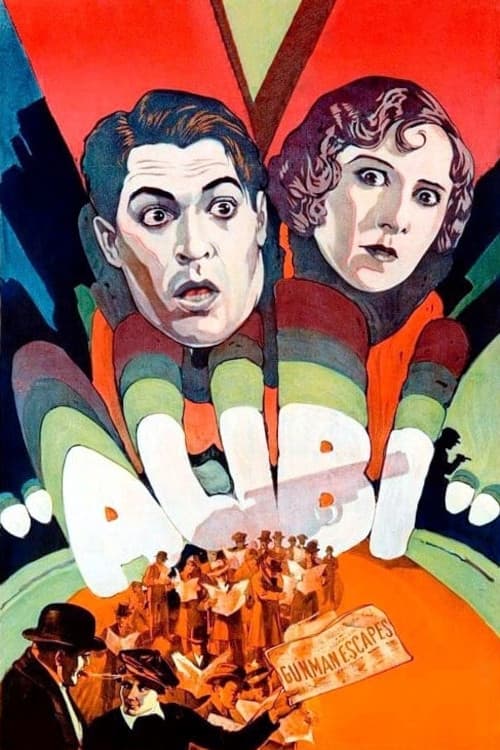
Alibi
1929
No user ratings available yet
Representation score: 0.6 out of 10
Representation Score
Minimal
1934
PassedDirector
Howard Higgin
Runtime
64 minutes
Average Rating
No ratings yetNew Showbiz Analysis
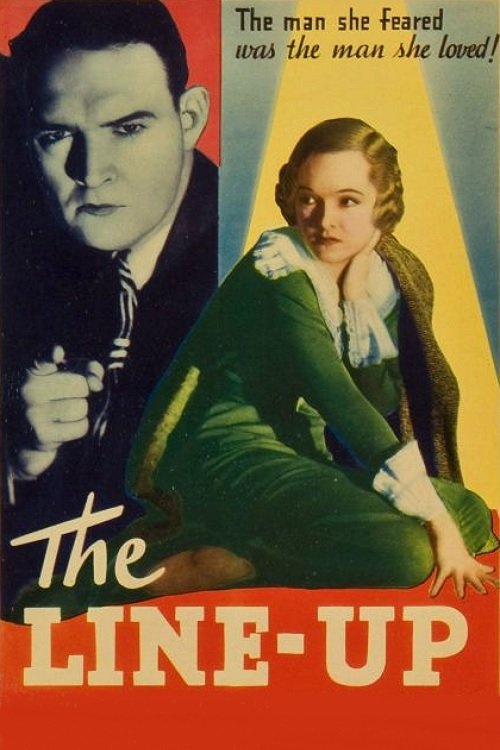
The Line-Up is a conventional 1934 crime procedural that emphasizes traditional masculine roles and the restoration of social order. The narrative structure relies on a standard detective framework, focusing on law enforcement's ability to resolve conflicts through investigative means. Representation in the film is limited, reinforcing the social and institutional hierarchies of its time. It lacks engagement with diverse identities, presenting a homogeneous view of New York City through a narrow, period-specific lens. Ultimately, the film serves as a standard genre piece that upholds established authority structures rather than challenging them.
Category Breakdown
The film does not include any characters with non-binary gender identities or sexual orientations. It focuses on a traditional heterosexual relationship between the main character and the female suspect.
Gender roles in the film follow traditional hierarchies. Peggy Arnold, a key character, is defined by her dependence on male intervention and protection to resolve the plot.
The cast appears uniform, reflecting the typical urban crime dramas of the early 1930s. There is no indication of racial diversity or non-white protagonists.
The narrative emphasizes Western institutional values and the legitimacy of law enforcement. It promotes a clear moral binary centered on maintaining social order.
There are no characters with visible or invisible disabilities. Disability is not used as a narrative device or plot point within the film.
Present on Screen
Limited or Absent
Official Synopsis
Bob Curtis (William Gargan), the youngest member of the New York City plain-clothes squad, is assigned to help Detective-Sergeant Doyle (Paul Hurst) uncover the people behind a number of fur robberies. Peggy Arnold (Marian Nixon), a beautiful girl, comes under suspicion, but Bob, convinced of her innocence, adopts a desperate plan to clear her and round up the real criminals.
1929
1948
1931
1948
1940

1930
1935
1934
No reviews yet. Be the first to share your thoughts on this movie!
Use the rating form above to leave a star rating and optional review.