
The Criminal Code
1931
No user ratings available yet
Diversity score: 2.4 out of 10
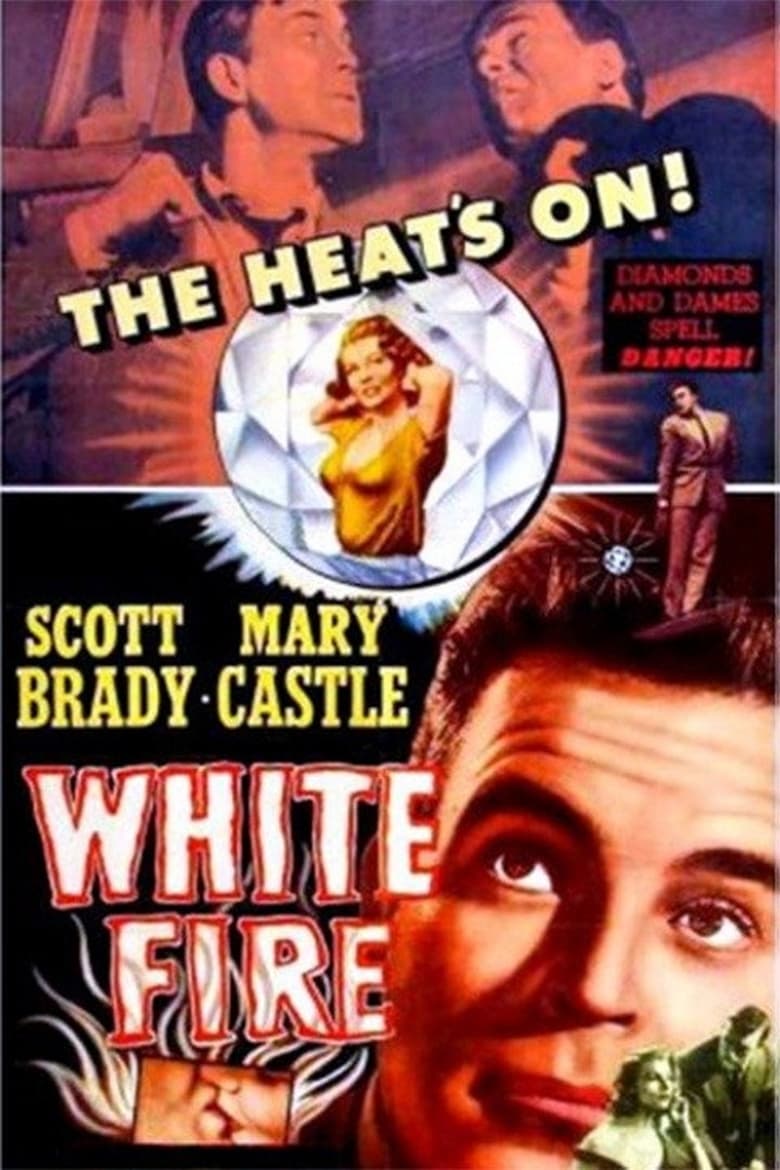
1953
Director
John Gilling
Runtime
81 minutes
Average Rating
No ratings yetSynopsis
A U.S. sailor (Scott Brady) docks in London and in three days tries to save his brother from the gallows.
Overall Score
Limited
Category Breakdown
LGBTQ+ Representation
The film contains no discernible LGBTQ+ characters or depictions of same-sex intimacy. It adheres strictly to the heteronormative social structures of post-war Britain.
Gender Representation
Female characters serve primarily as supporting figures within a male-centric struggle. They provide emotional stakes rather than driving the plot through independent agency.
Racial & Ethnic Diversity
The casting consists of a predominantly white ensemble, reflecting the demographic homogeneity of 1950s British noir. It does not utilize race-bent casting or ethnic metaphors.
Religious & Cultural Diversity
The narrative explores the fallibility of Western legal institutions through a protagonist fighting a wrongful accusation. It stops short of overt anti-Western or anti-capitalist critiques.
Disability Representation
There is no evidence of characters with visible or invisible disabilities being portrayed with agency. The focus remains on socioeconomic status and criminal justice.
Strengths
Areas for Improvement
AI Analysis
3 Steps to the Gallows is a traditional crime drama that functions as a product of its era. It adheres to the social and demographic norms of the 1950s without attempting to subvert established hierarchies. While the film offers a nuanced look at institutional error and the socioeconomic realities of post-war London, it lacks intersectional complexity. The narrative is driven by a male-centric struggle that reinforces traditional gender roles. Ultimately, the film lacks intentional progressive architecture, focusing instead on a singular individual's fight against a flawed judicial system.
1931

1948

1946

1952

1953
1954

1945
1955
1931

1960

1954
1951
No reviews yet. Be the first to share your thoughts on this movie!
Use the rating form above to leave a star rating and optional review.