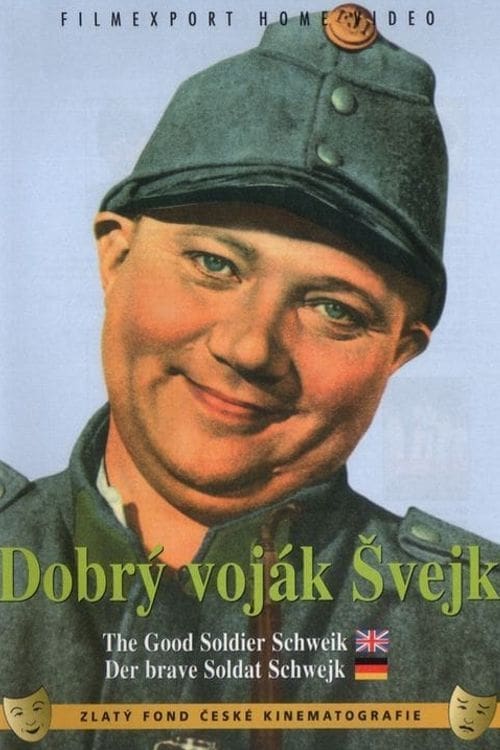
The Good Soldier Švejk
1957
No user ratings available yet
Representation score: 4.8 out of 10
Representation Score
Fair
1958
Director
Karel Steklý
Runtime
91 minutes
Average Rating
No ratings yetNew Showbiz Analysis
I Dutifully Report is a satirical look at wartime bureaucracy that prioritizes cultural subversion over demographic variety. While it lacks modern representation in terms of race, gender, and LGBTQ+ identities, it finds strength in its aggressive critique of institutional authority. The film functions as a deconstruction of the military-industrial complex. By portraying officers as inept and duty as a farce, it provides a progressive commentary on state power despite its limited social diversity. Ultimately, the work is a period-specific reflection of its setting, trading inclusive casting for a sharp, subversive narrative voice.
Category Breakdown
The film follows traditional 1958 norms and doesn't include any explicit LGBTQ+ identities. Sexual themes are limited to period-specific clichés, such as a scene set in a brothel.
The story centers around male military experiences. Women are mainly shown as secondary figures or plot devices in specific settings like brothels.
The cast is predominantly made up of actors from a Central European background, reflecting the Austro-Hungarian era. It adheres to the historical casting typical of Czech productions.
The film effectively critiques imperial institutions and military bureaucracy. It uses satire to challenge nationalist fervor and the absurdity of rigid state hierarchies.
There is no prominent depiction of physical disabilities or neurodivergence with real influence. Švejk’s unique cognitive approach is portrayed through satire rather than a detailed exploration of disability.
Present on Screen
Limited or Absent
Official Synopsis
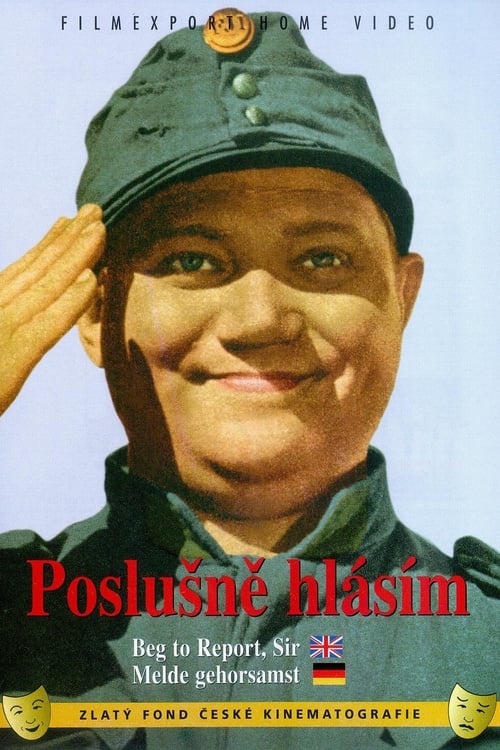
A comedy based on the novel of Jaroslav Hašek's The Good Soldier Svejk happens during the World War I. I Dutifully Report: In the introduction to the second part of the film adaptation of Hašek's novel The Good Soldier Švějk presents his main character Josef Švejk. With the distinctive traditional Czech cartoon character of a soldier Svejk, this time you meet on the way to the front and eventually right in the firing line. You can look at his famous train events, and also probably the most famous episode of the novel, Švejk's Budějovice anabasis. Don't miss the scene with the secretly bought cognac, the episode with Svejk as a fake Russian prisoner of war, including the court scene, and the scene in which lieutenant Dub is caught in a brothel. Despite the criticism, Steklý's adaptation is undoubtedly the most famous and memorable at present.
1957
1973
1936
1959
1998
1964
1985
1968
No reviews yet. Be the first to share your thoughts on this movie!
Use the rating form above to leave a star rating and optional review.