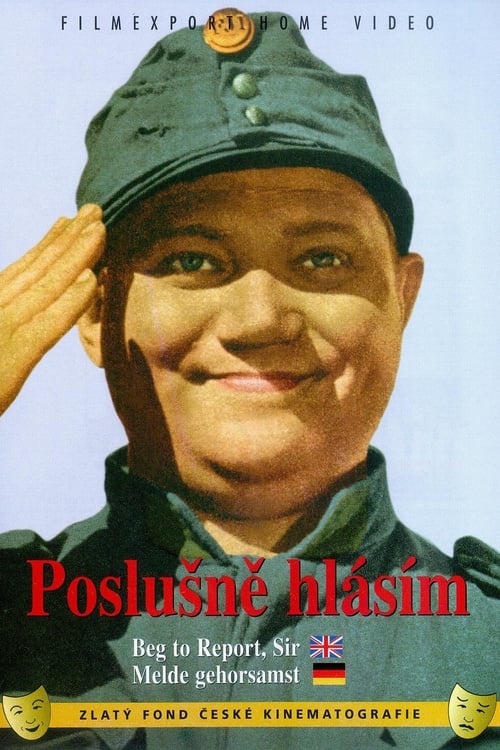
I Dutifully Report
1958
No user ratings available yet
Representation score: 5.2 out of 10
Representation Score
Fair
1957
Director
Karel Steklý
Runtime
108 minutes
Average Rating
No ratings yetNew Showbiz Analysis
The film is a sophisticated satire that focuses on critiquing institutions rather than traditional representation. It highlights the ethnic diversity of the Austro-Hungarian Empire through a diverse cast of soldiers, disrupting monolithic national identities. However, the film's period setting and genre limit its portrayal of women and LGBTQ+ individuals. The heavy emphasis on military life results in a lack of women's ability to drive the story and a complete absence of LGBTQ+ narratives. Ultimately, the film's strength lies in its subversion of power. It uses the protagonist's neurodivergence and anti-authoritarian stance to question the legitimacy of the state and its narratives.
Category Breakdown
The film does not include any LGBTQ+ characters or narratives. The social structure adheres closely to traditional relationships of the time.
The story focuses heavily on male military camaraderie. Women appear mainly as nurses or bystanders and have little influence over the main plot.
The film portrays the multi-ethnic makeup of the Austro-Hungarian Empire. Soldiers from various backgrounds are shown, highlighting the complexity of Central European identities.
The story effectively critiques imperial and bureaucratic institutions using satire. It challenges nationalism and the glorification of state-sanctioned power.
The protagonist's perceived mental state is used as a survival mechanism. His 'idiocy' serves as a means to resist authority and challenge a rigid system.
Present on Screen
Limited or Absent
Official Synopsis
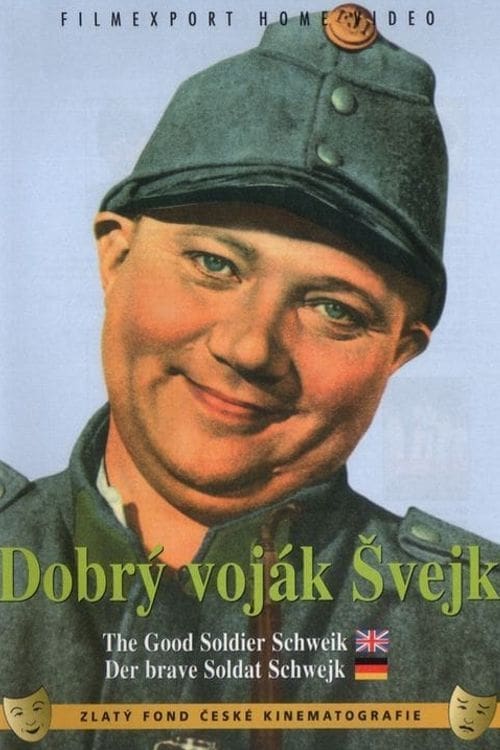
Good-natured and garrulous, Schweik becomes the Austrian army's most loyal Czech soldier when he is called up on the outbreak of World War I -- although his bumbling attempts to get to the front serve only to prevent him from reaching it. Playing cards and getting drunk, he uses all his cunning and genial subterfuge to deal with the police, clergy, and officers who chivy him toward battle.
1958
1959
1936
1973
1985
1942
1964
1983
No reviews yet. Be the first to share your thoughts on this movie!
Use the rating form above to leave a star rating and optional review.