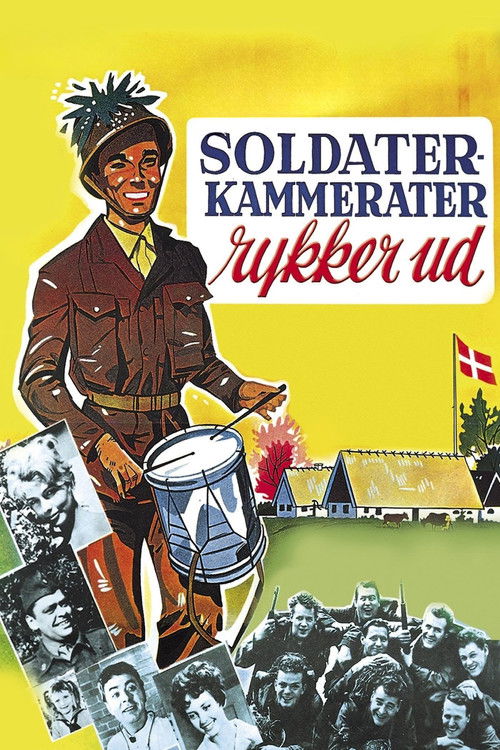
Friends at Arms: Marching Out
1959
No user ratings available yet
Representation score: 1.1 out of 10
Representation Score
Fair
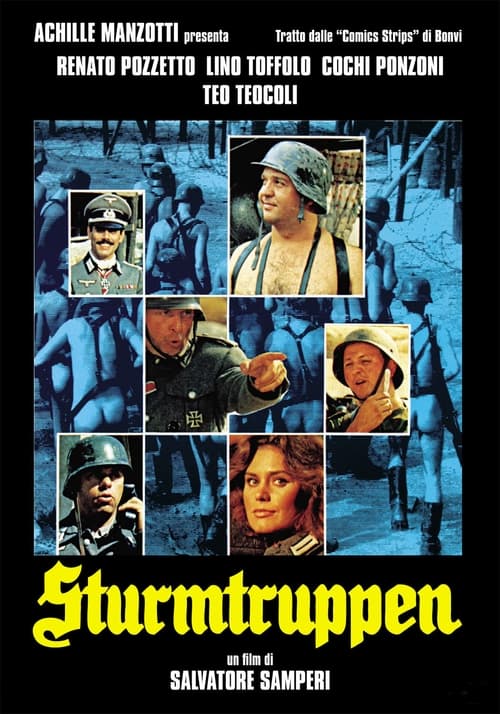
1976
Director
Salvatore Samperi
Runtime
110 minutes
Average Rating
No ratings yetNew Showbiz Analysis
Salvatore Samperi’s satire dismantles the myth of the heroic soldier by emphasizing the incompetence of the ruling class. By showing the General and his officers as absurd and disconnected, the film challenges traditional masculine archetypes and institutional prestige. However, the film adheres to the social norms of its time. It lacks meaningful representation of LGBTQ+ identities, diverse racial backgrounds, or individuals with disabilities, often relying on outdated clichés and caricatures. Ultimately, while the film provides a sharp critique of class and power, its limited exploration of diverse identities prevents a higher diversity rating.
Category Breakdown
The film does not include any clear LGBTQ+ narratives or characters with non-binary gender identities. Instead, it focuses on the sexual politics typical of 1970s Italian erotic comedies.
Gender roles in the film often align with the sexual themes common in the 1970s. However, the film challenges traditional masculine authority by depicting military leadership as absurd and ineffective.
The cast primarily features European characters. One character wears Arab dress as a satirical element, but this does not represent modern diversity.
The film critiques Western institutions by portraying the military and nobility as corrupt. It uses satire to criticize historical authority and class disparity.
Characters with disabilities are not given significant roles or ability to act. Physical comedy and accidents in the film can come across as mocking those with physical limitations.
Present on Screen
Limited or Absent
Official Synopsis
A handful of recruits prepares for a war that nobody knows about the purpose or the motive. The field commander is a general who plays with a Marx puppet and lives in a luxurious palace that looks like a cabin from the outside. His orderlies are a captain who lives in Arabic dress in a curtain and a sergeant in training who does not shine for intelligence. Continuing training between various and grotesque accidents until the order arrives for the front. And then?
1959
1973
1982
1959
1957
1968
1958
1960
No reviews yet. Be the first to share your thoughts on this movie!
Use the rating form above to leave a star rating and optional review.