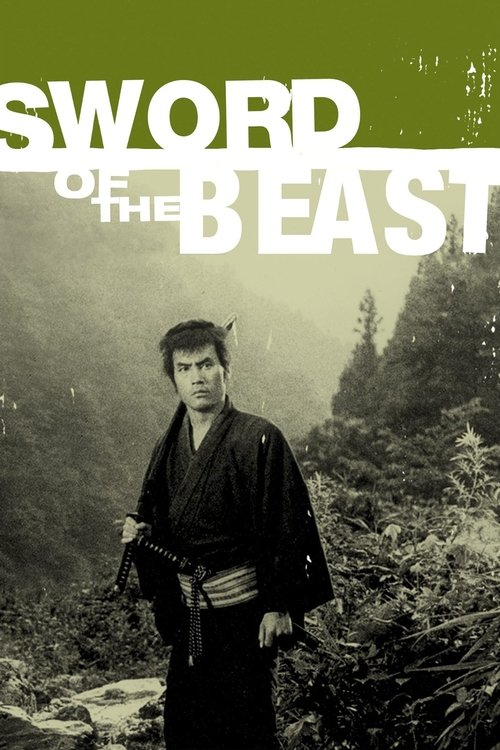
Sword of the Beast
1965
No user ratings available yet
Representation score: 4.3 out of 10
Representation Score
Minimal
1966
Director
Tokuzō Tanaka
Runtime
87 minutes
Average Rating
No ratings yetNew Showbiz Analysis
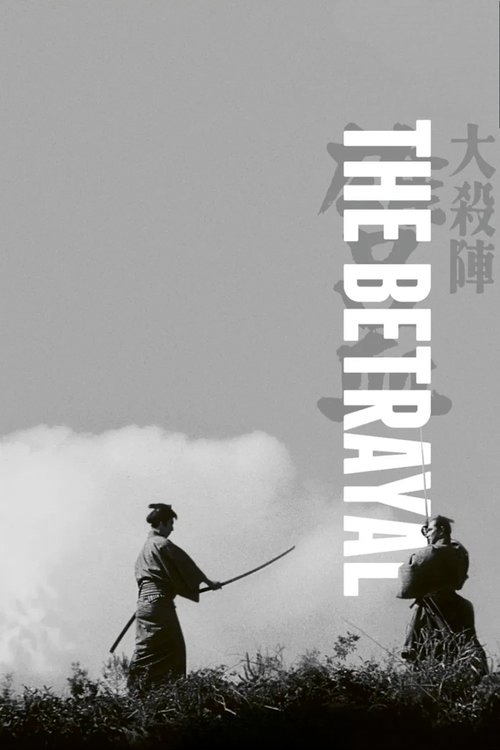
The Betrayal serves as a deconstruction of the samurai mythos, shifting the focus from heroic duty to systemic corruption. While the film lacks modern demographic diversity, it excels in subverting cultural clichés. The narrative structure critiques rigid social hierarchies by depicting the protagonist's morality as a structural weakness. This creates a compelling study of how institutional power rewards betrayal. Ultimately, the film is a genre-driven exploration of alienation, trading traditionalist ideals for a skeptical view of social stability.
Category Breakdown
The film does not include any queer narratives or characters with non-conforming gender identities. It focuses solely on the socio-political dynamics of the samurai class.
The story revolves around masculine archetypes and male-dominated political struggles. There is little evidence of women playing significant roles or challenging gender hierarchies.
Set in feudal Japan, the film features an ethnically homogeneous cast. It adheres to the traditional visual style of the historical drama genre.
The narrative provides a nuanced critique of traditional honor and institutional loyalty. It portrays the samurai code as a liability rather than a virtue.
There is no information available regarding the depiction of physical or neurodivergent disabilities in this work.
Present on Screen
Limited or Absent
Official Synopsis
A naively honorable samurai comes to the bitter realization that his devotion to moral samurai principles makes him an oddity among his peers, and a very vulnerable oddity in consequence. He takes the blame for the misdeeds of others, with the understanding that he will be exiled for one year and restored to the clan's good graces after the political situation dies down. As betrayal begins to heap upon betrayal, he realizes he'll have to live out his life as a ronin, if not hunted down and killed.
1965

1964
1970
1967
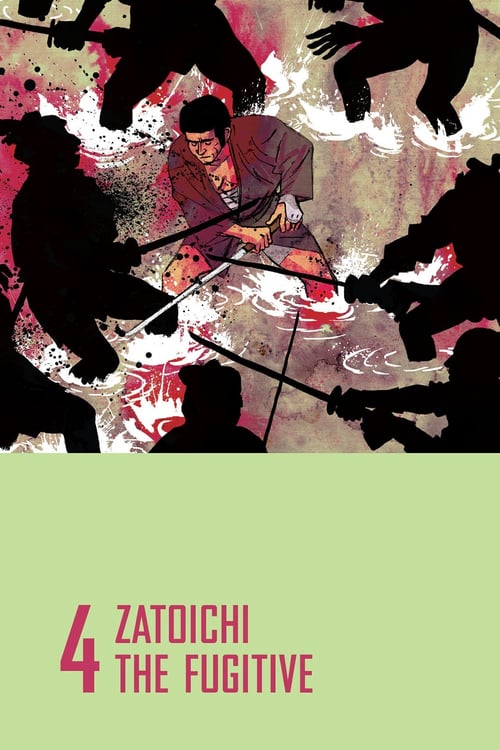
1963
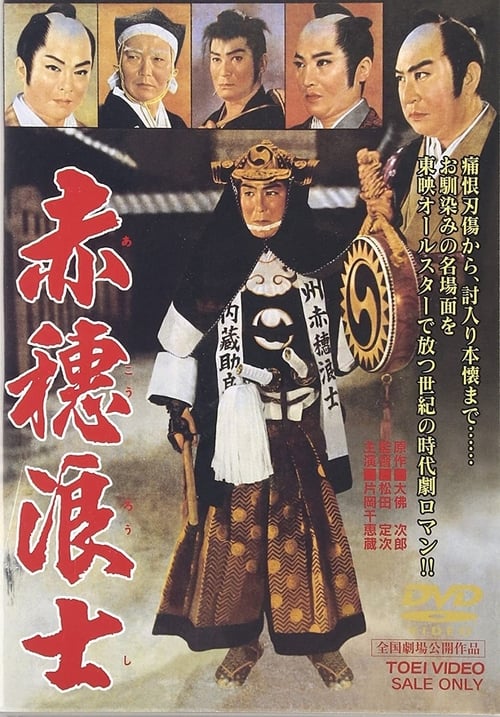
1961
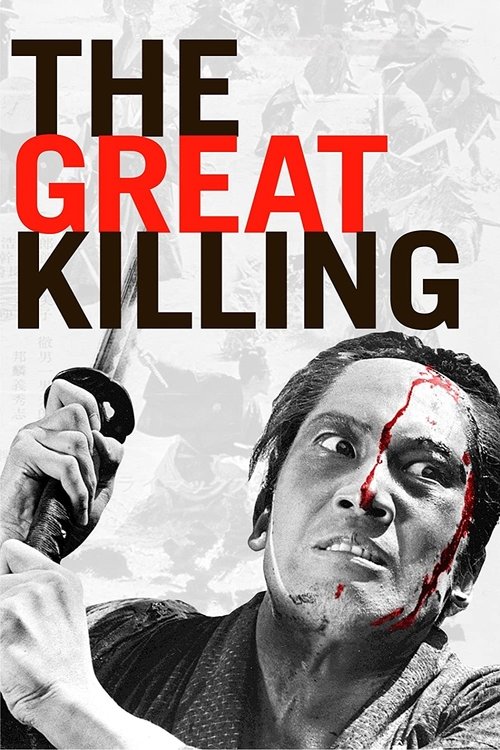
1964
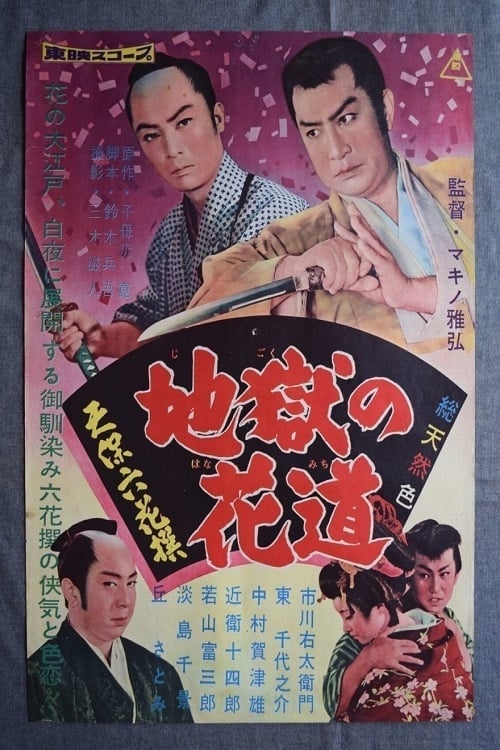
1960
No reviews yet. Be the first to share your thoughts on this movie!
Use the rating form above to leave a star rating and optional review.