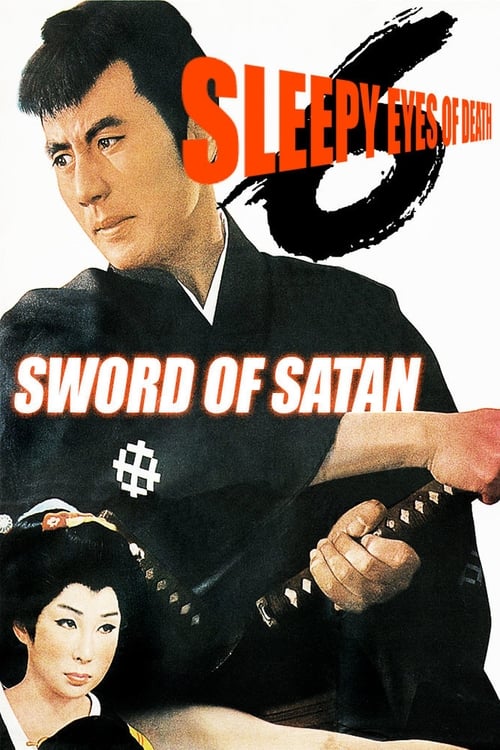
Sleepy Eyes of Death 6: Sword of Satan
1965
No user ratings available yet
Representation score: 3.4 out of 10
Representation Score
Limited
1965
Director
Kenji Misumi
Runtime
83 minutes
Average Rating
No ratings yetNew Showbiz Analysis
Sleepy Eyes of Death 5: Sword of Fire is a genre-driven action drama that operates within the social constraints of its time. While it relies on traditional archetypes, it finds depth by critiquing systemic corruption. The film challenges the hyper-masculine samurai ideal by presenting a protagonist defined by moral ambiguity and vulnerability. This provides a more nuanced view of the individual against a corrupt state. Ultimately, the film's diversity is limited by its period setting and reliance on classic clichés, focusing more on class friction than modern characters who reflect more than one aspect of diversity.
Category Breakdown
The film does not include any non-traditional gender identities or same-sex relationships. It follows traditional romantic and heroic themes typical of 1960s Japanese cinema.
Female characters mainly serve as objects to set off the plot. However, the film adds depth by examining the male protagonist's vulnerability and emotional weaknesses.
Set in feudal Japan, the cast is ethnically uniform. The story focuses on social classes and hierarchies rather than ethnic or racial diversity.
The story criticizes established power structures by showing corrupt officials and merchants. This highlights the flaws in traditional authority and institutional stability.
There is no evidence of visible or invisible disabilities being portrayed in the film.
Present on Screen
Limited or Absent
Official Synopsis
Fifth film in the series. When Kyoshiro, in a moment of weakness, saves the life of a woman being attacked on the road, he quickly finds himself entangled in a conspiracy involving a corrupt chamberlain, a wily merchant, the survivors of a pirate gang, and a missing treasure trove.
1965
1972
1968
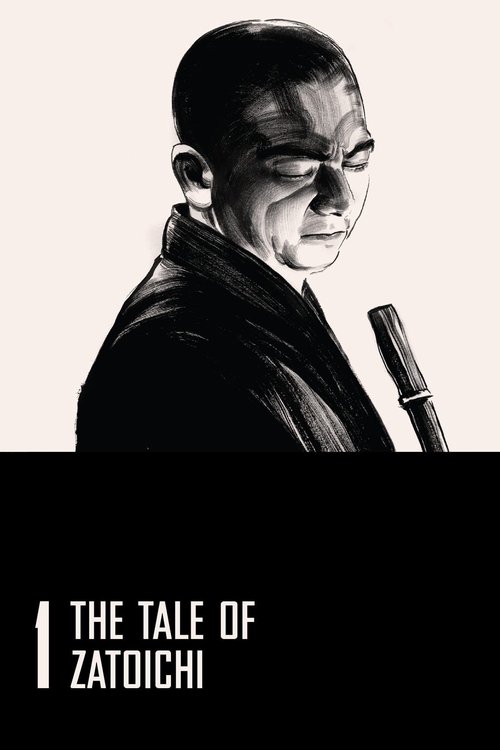
1962
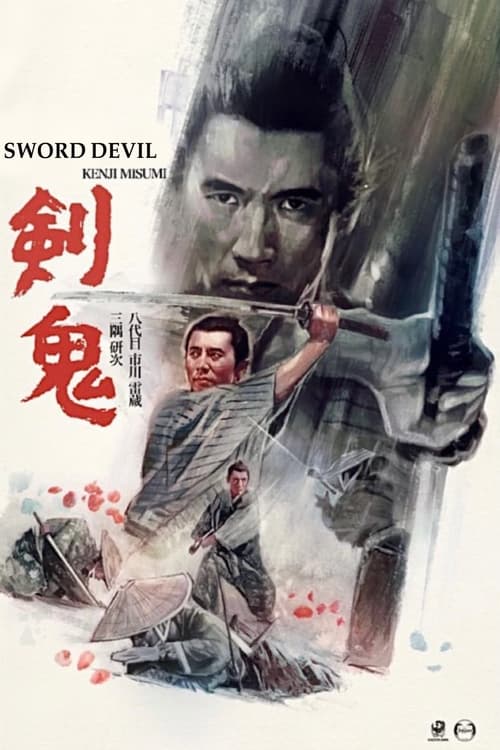
1965
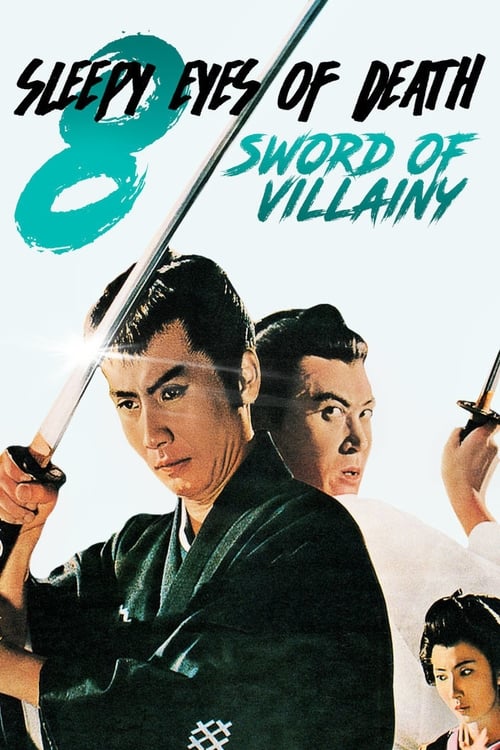
1966
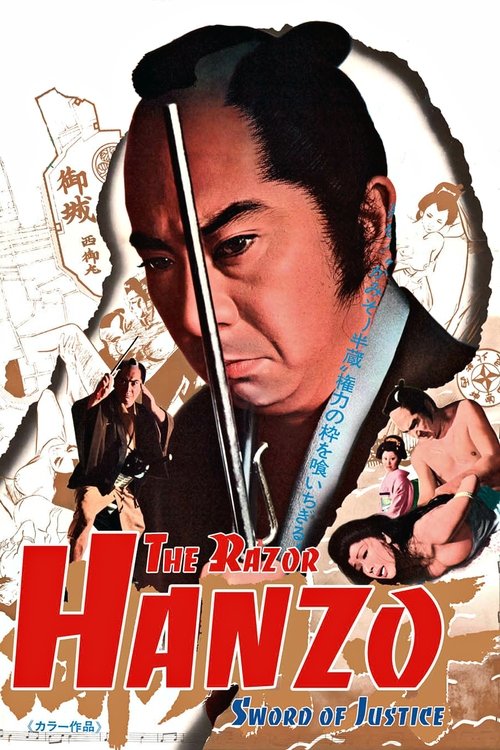
1972
1960
No reviews yet. Be the first to share your thoughts on this movie!
Use the rating form above to leave a star rating and optional review.