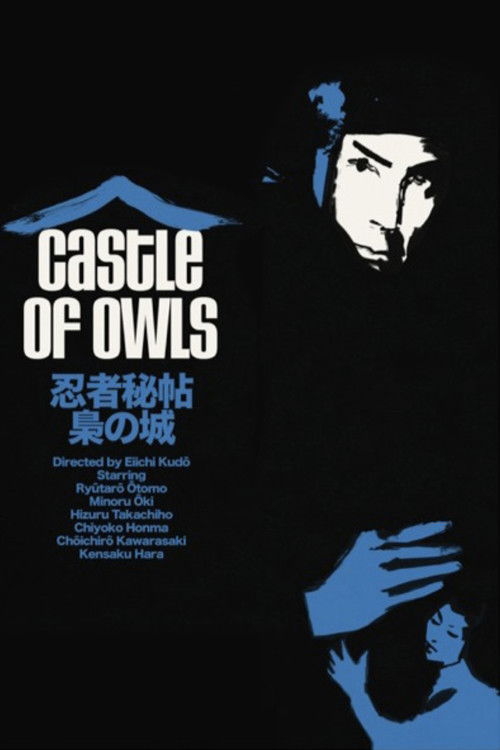
Castle of Owls
1963
No user ratings available yet
Representation score: 2.0 out of 10
Representation Score
Limited
1965
Not RatedDirector
Masahiro Shinoda
Runtime
100 minutes
Average Rating
No ratings yetNew Showbiz Analysis
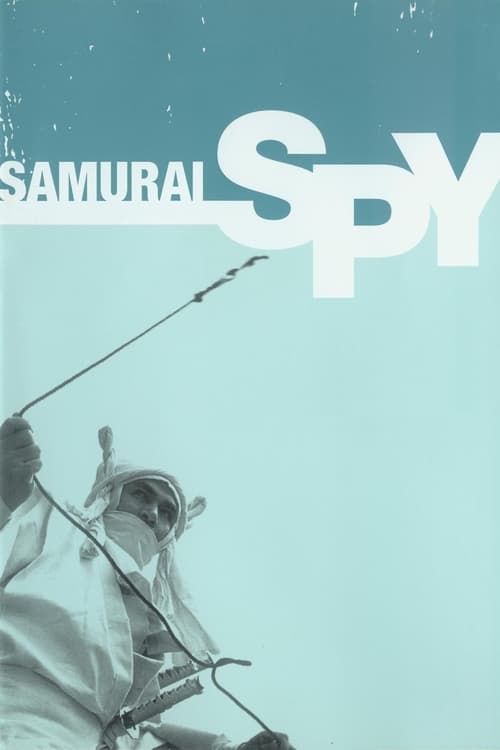
Masahiro Shinoda’s *Samurai Spy* is a stylistic departure from traditional swordplay films, favoring psychological ambiguity over moralistic archetypes. It deconstructs the period drama by focusing on shifting loyalties and the instability of identity. While the film lacks markers of modern gender and sexual orientation diversity, it stands out for its sophisticated narrative structure. It replaces 'good vs. evil' clichés with a complex, non-traditional worldview. The score reflects a work that is culturally progressive in its critique of authority, even while being limited by the era's social representations.
Category Breakdown
The film focuses on political maneuvers and physical confrontations between male spies. There is no depiction of non-binary gender identities or same-sex romantic relationships.
The narrative centers on a male-dominated hierarchy of samurai and ninja. Women play traditional roles, and the tension arises from masculine competition rather than having significant control over their lives.
The cast is ethnically homogeneous due to the period setting. However, it avoids stereotypes by focusing on the internal complexities of Japanese clan politics.
The film excels by critiquing traditional institutions and the Shogunate. It presents truth as subjective, disrupting the romanticization of institutional loyalty and warfare.
There is no significant evidence regarding the portrayal of visible or invisible disabilities within the film.
Present on Screen
Limited or Absent
Official Synopsis
Years of warfare end in a Japan unified under the Tokugawa shogunate, and samurai spy Sasuke Sarutobi, tired of conflict, longs for peace. When a high-ranking spy named Tatewaki Koriyama defects from the shogun to a rival clan, however, the world of swordsmen is thrown into turmoil. After Sasuke is unwittingly drawn into the conflict, he tracks Tatewaki, while a mysterious, white-hooded figure seems to hunt them both. By tale’s end, no one is who they seemed to be, and the truth is far more personal than anyone suspected. Director Masahiro Shinoda’s Samurai Spy, filled with clan intrigue, ninja spies, and multiple double crosses, marks a bold stylistic departure from swordplay film convention.
1963
1972
1966

1964

1961
1970
1966
1964
No reviews yet. Be the first to share your thoughts on this movie!
Use the rating form above to leave a star rating and optional review.