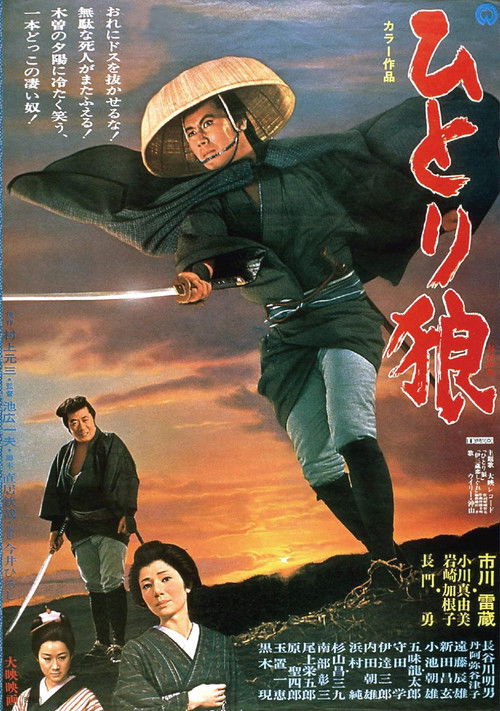
Lone Wolf Isazo
1968
No user ratings available yet
Representation score: 4.8 out of 10
Representation Score
Limited
1965
Not RatedDirector
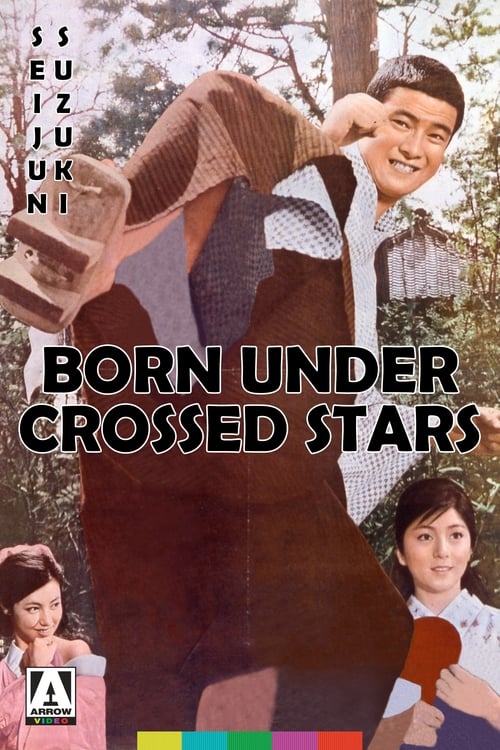
Seijun Suzuki
Runtime
98 minutes
Average Rating
No ratings yetNew Showbiz Analysis
Seijun Suzuki’s work serves as a sophisticated deconstruction of the chanbara genre. Despite lacking demographic variety in terms of race or LGBTQ+ identity, the film finds progressive value through its narrative structure. It rejects the binary morality typical of its time. By embracing moral ambiguity and chaos, the film questions the legitimacy of historical power structures. It replaces the sanctity of the samurai code with a modern critique of authority and systemic order. Ultimately, the film's strength lies in its stylistic rebellion against traditional storytelling norms, while still being confined by the period's gender and ethnic hierarchies.
Category Breakdown
The film does not include explicit representations of non-straight or non-cisgender identities. Romantic tensions revolve around traditional male-female relationships.
The story focuses primarily on male characters, emphasizing rivalry and violence. Female characters play important roles but mostly conform to traditional gender roles.
Set during Japan's bakufu era, the cast is ethnically uniform. The film adheres to the social norms of its historical context without incorporating diverse casting.
Suzuki effectively disrupts traditional cultural institutions and the samurai code. The film uses a modern perspective to critique rigid social hierarchies and the absurdity of honor.
There are no prominent depictions of physical or cognitive disabilities used as central plot devices or character identifiers.
Present on Screen
Limited or Absent
Official Synopsis
A young man with a strong sense of justice is torn between two girls: the flighty Taneko and the serious Suzuko. With wisdom, courage and honor in a Japanese spirit of manliness he wins the day.
1968

1964
1965
1962
1965

1965
1968
1970
No reviews yet. Be the first to share your thoughts on this movie!
Use the rating form above to leave a star rating and optional review.