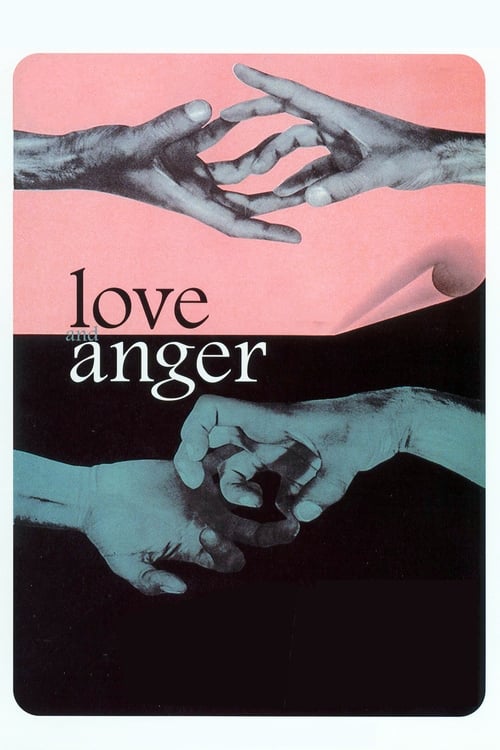
Love and Anger
1969
No user ratings available yet
Representation score: 8.9 out of 10
Representation Score
Excellent
1967
Not RatedDirector
Paolo Taviani, Vittorio Taviani
Runtime
93 minutes
Average Rating
No ratings yetNew Showbiz Analysis
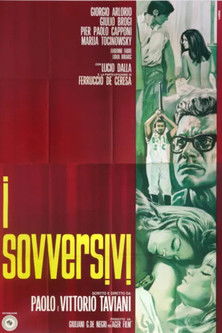
The Subversives is a sophisticated exploration of identity that uses political upheaval to challenge social norms. By blending documentary realism with fictional personal crises, the film examines how individuals find meaning through rejecting traditional norms. The narrative effectively portrays non-traditional relationships and challenges class-based stability. It successfully integrates international political perspectives, such as Ettore's Venezuelan radicalism, into a European context. While the film offers nuanced explorations of gender and sexuality, the representation of disability remains somewhat limited. The focus on broader political movements can sometimes overshadow the depth of individual character struggles.
Category Breakdown
The film features Giulia, who has a lesbian relationship with her husband's former lover. This relationship explores personal freedom and challenges traditional marriage expectations.
Giulia's journey emphasizes her personal autonomy and individual desires over domestic stability. The narrative highlights her choices and identity amid political turmoil.
Ettore, a Venezuelan radical, brings a non-European perspective to the film. His character links South American political issues with European intellectual traditions.
The film critiques Western institutions by intertwining the funeral of Palmiero Togliatti with personal crises. It embraces Marxist themes and rejects bourgeois stability.
Ludovico, an ailing filmmaker, introduces themes of physical vulnerability. His character explores how illness and physical decline intersect with creative purpose and political ability to act.
Present on Screen
Limited or Absent
Official Synopsis
The film combines actual footage of Communist leader Palmiero Togliatti's funeral with the intermingled stories of four people affected by his death: Ettore, a Venezuelan radical who abandons the wealthy Italian woman he loves to go back to his country and help his cause; Ludovico, an ailing filmmaker who finds out that art alone is not enough; Giulia, a woman who embarks upon a lesbian affair with a former mistress of her husband; and Ermanno, a philosophy graduate who breaks up with his past.
1969
1964
1969
1971
1970
1971

1964
1972
No reviews yet. Be the first to share your thoughts on this movie!
Use the rating form above to leave a star rating and optional review.