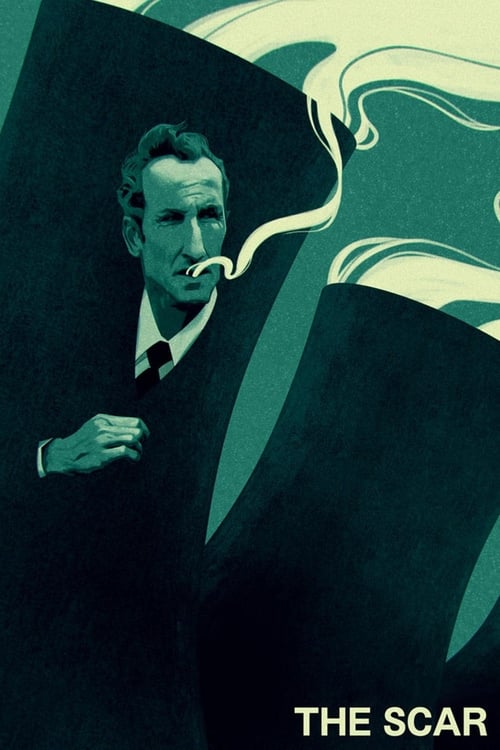
The Scar
1976
No user ratings available yet
Representation score: 4.9 out of 10

Representation Score
Minimal
1975
Director
Krzysztof Kieślowski
Runtime
29 minutes
Average Rating
No ratings yetNew Showbiz Analysis
Krzysztof Kieślowski’s film is a psychological study of an individual facing institutional scrutiny. It prioritizes the deconstruction of political history over demographic variety, focusing on how systemic structures attempt to categorize human experience. The work is deeply rooted in its specific historical context, which limits its breadth in terms of diversity. While it lacks modern representation, it succeeds as a critique of centralized authority and the loss of personal autonomy. Ultimately, the film serves as a site of political contestation. It examines the gap between official state narratives and the complex reality of a person's lived history.
Category Breakdown
The film does not include any queer narratives or characters with non-traditional gender identities.
The story focuses on a male-dominated political structure and does not provide much women's ability to drive the story or challenge traditional gender roles.
The setting shows a mostly homogeneous population typical of 1970s Poland. The story does not explore ethnic diversity or use race-blind casting.
The film provides a sophisticated critique of institutional power and systemic oppression. It looks at the conflict between personal truth and bureaucratic definitions.
There are no prominent depictions of physical or neurodivergent disabilities. Such traits do not play a central role in the narrative.
Present on Screen
Limited or Absent
Official Synopsis
A communist party control committee interrogates a worker and party activist who is to be excluded from the party.
1976
1985

1977
1985
2003
1981

1991

1965
No reviews yet. Be the first to share your thoughts on this movie!
Use the rating form above to leave a star rating and optional review.