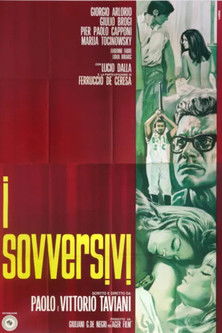
The Subversives
1967
No user ratings available yet
Representation score: 9.4 out of 10
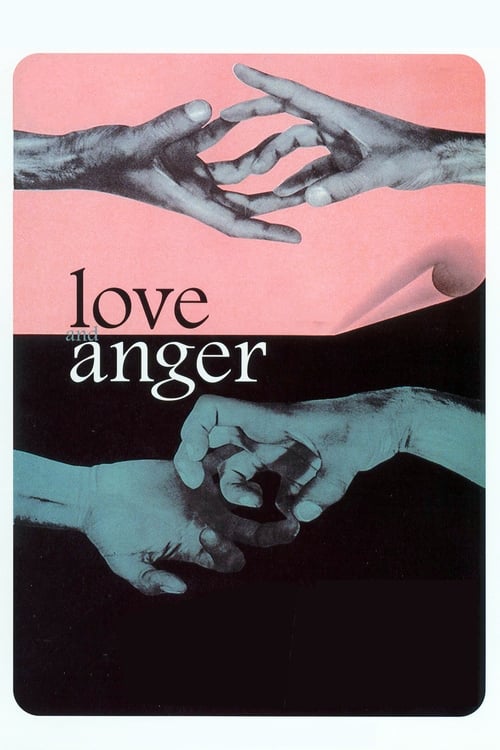
Representation Score
Excellent
1969
Director
Jean-Luc Godard, Marco Bellocchio, Pier Paolo Pasolini, Bernardo Bertolucci, Carlo Lizzani
Runtime
102 minutes
Average Rating
No ratings yetNew Showbiz Analysis
This anthology film employs a fragmented structure to critique systemic power and social isolation. By featuring renowned directors such as Pasolini and Godard, the film challenges cultural and traditional humanist values. Its strength lies in its intellectual construction, which questions the status quo and Western institutional authority. It views traditional structures like family and capitalism as sources of human alienation. While it lacks modern multi-layered casting, it remains dedicated to dismantling mid-20th-century hierarchies through its thematic focus on revolution and social decline.
Category Breakdown
The inclusion of Pier Paolo Pasolini brings a challenge to traditional heterosexual norms by focusing on connections outside conventional domestic life and the breaking of social taboos.
The film criticizes traditional gender roles by highlighting systemic violence and vulnerability, particularly through a scene depicting a woman's assault, which underscores societal indifference towards women.
The film shifts between New York and Cuba to critique Western dominance, but non-Western identities are more represented as political themes than through a diverse cast of characters.
The film effectively questions Western institutions and traditional morality through social unrest, challenging established authority and social order.
Depictions of homeless individuals and those in extreme pain highlight physical and psychological suffering, often used as a philosophical tool rather than exploring disability as a lived experience.
Present on Screen
Limited or Absent
Official Synopsis
Five short stories with contemporary settings. In New York, people are indifferent to derelicts sleeping on sidewalks, to a woman's assault in front of an apartment building, and to a couple injured in a car crash. A man, stripped of his identity, dies in bed with actors expressing his agony. A cheerful, innocent young man walking a city street in a time of war pays a price for this innocence. A couple talks about cinema while it watches another couple talk of love and truth on the eve of one character's return to Cuba. Striking students take over a university classroom; an argument follows about revolution or incremental change.
1967

1964
1969
1964
1969
1971

1976
1963
No reviews yet. Be the first to share your thoughts on this movie!
Use the rating form above to leave a star rating and optional review.